
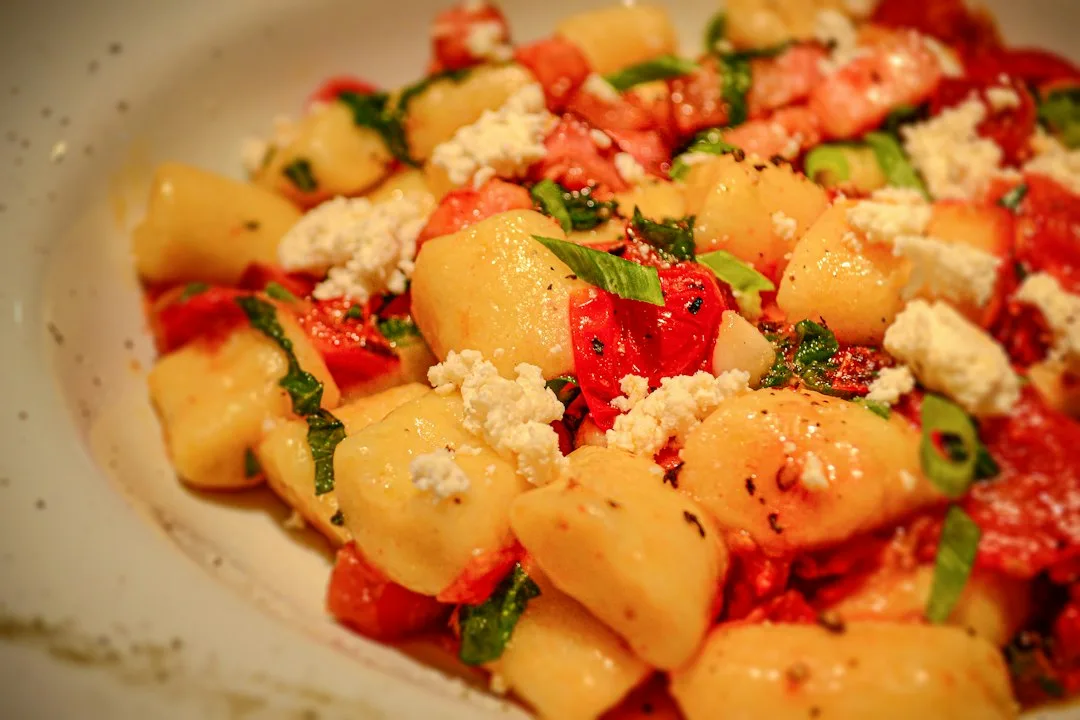
One-pan chicken pesto gnocchi turns cooked chicken, shelf-stable gnocchi and a bag of spinach into dinner for two. Sear the gnocchi in the skillet, soften a handful of cherry tomatoes, and fold in basil pesto at the end. The tomatoes bring enough juice to loosen the sauce while leaving the gnocchi golden around the edges.
20-minute chicken pesto gnocchi recipe
Serves 2. Prep 5 minutes. Cook about 15 minutes.
Ingredients
- 1 tablespoon olive oil, plus a teaspoon as needed
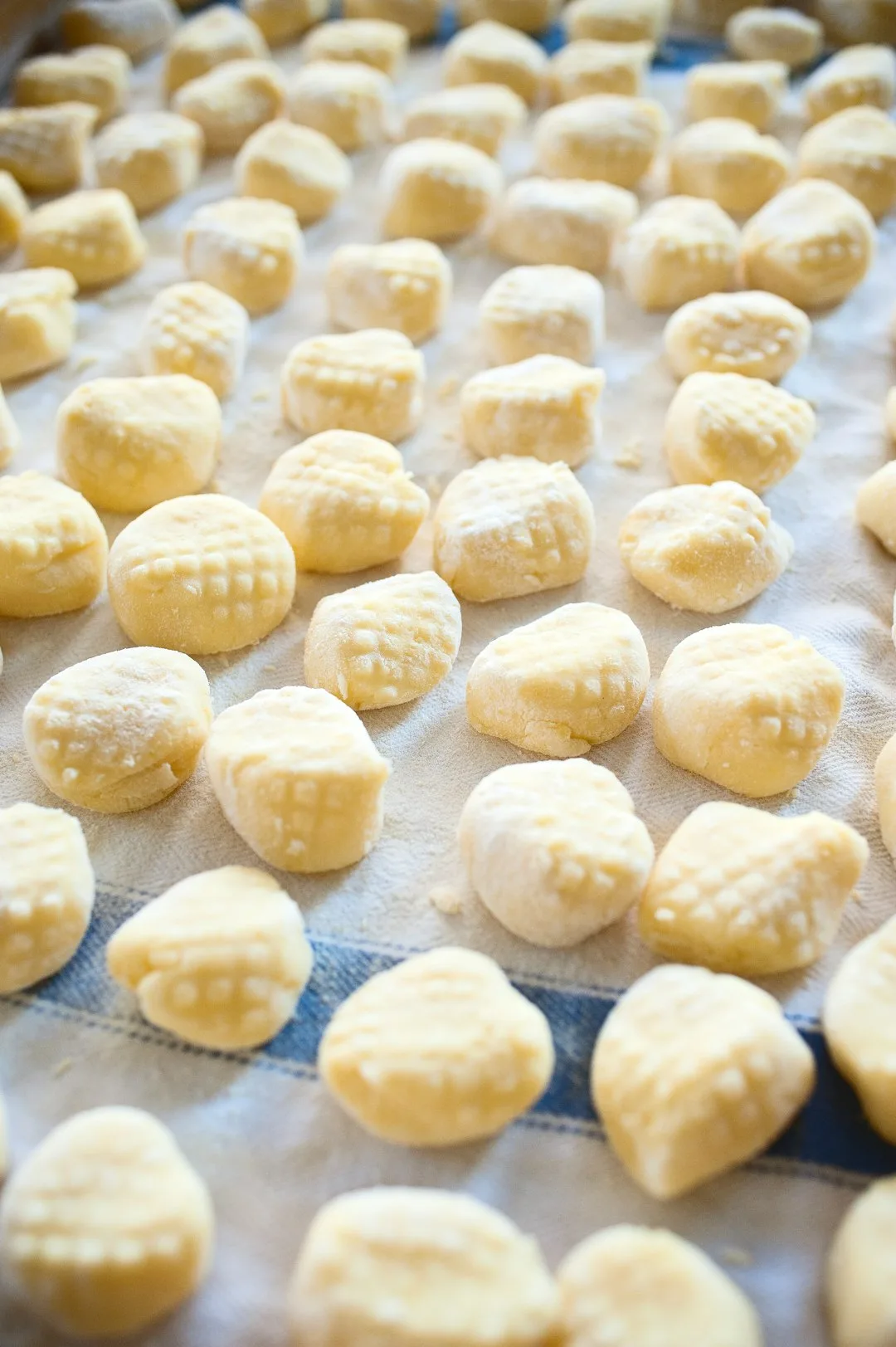
- 10 ounces shelf-stable skillet gnocchi
- 1 cup halved cherry tomatoes
- 1 cup shredded fully cooked rotisserie chicken
- 2 packed cups baby spinach
- 3 tablespoons basil pesto
- 2 to 4 tablespoons water, plus more as needed
- Black pepper, lemon, and grated Parmesan to serve, optional
Instructions
- Pat the gnocchi dry if damp. Heat a wide nonstick skillet over medium heat and pour in the olive oil. Add the gnocchi in one layer and let the first side cook undisturbed until golden, about 3 minutes. Turn the pieces and cook the remaining sides, following the package directions for skillet cooking. Check one piece for a soft center.
- Slide the browned gnocchi to the edges of the pan. Add the cherry tomatoes cut-side down in the middle. Give them about 2 minutes, until their skins start to wrinkle. If the pan is dry, add another teaspoon of oil. Press a few tomatoes gently with the back of a spoon so their juices collect in the pan.
- Add the chicken and 2 tablespoons water. Stir, then cover briefly to heat the chicken through. If using chilled leftovers, reheat to 165°F. Uncover and fold in the spinach in two handfuls. Stir until the leaves wilt, about a minute.
- Turn off the heat and stir in the pesto. Taste before adding salt. If the sauce feels pasty, add another tablespoon of water and toss until it coats the gnocchi. Divide between two shallow bowls and finish with black pepper or lemon.
Why the pesto goes in last
Pesto brings oil, herbs, and often cheese and nuts. Those ingredients already form a sauce, so there’s no need to reduce it on the burner. Stirring it in off heat gives you a fresher basil flavor and lets you see how much liquid the tomatoes add before you decide whether to splash in more water. If you use a thin refrigerated pesto, begin with two tablespoons and add the third after you taste.
For the best texture, choose gnocchi with skillet directions on the package. A brand meant for boiling may need more liquid or a different cooking method. If you only have boiled leftover gnocchi, dry them and give them a brief sear before continuing with the tomatoes. Set out the pesto before you start cooking so you can finish the sauce as soon as the spinach wilts.
Serve it right from the skillet
Put the bowls near the stove before you wilt the spinach. Serve immediately if you want to preserve the crispest gnocchi edges. If you need a side, place a little arugula or sliced cucumber on the plate and dress it with lemon juice. The freshness of the salad makes a good companion to the warm pesto sauce.
Creating a successful 20-minute weeknight meal begins with understanding how core components behave in a single skillet. Selecting the right elements ensures optimal texture and flavor development without requiring multiple pots or complicated prep steps. While the baseline formulation is designed for two hungry diners, thoughtful substitutions and scaling strategies allow this dish to adapt seamlessly to various dietary needs and household sizes.
Ingredient Selection and Quality Matters
Because this recipe relies on a short ingredient list, the quality of each component directly impacts the final result. For the gnocchi, shelf-stable potato gnocchi found in the dry pasta aisle works best in this specific method. Unlike fresh or frozen varieties that typically require boiling, shelf-stable gnocchi can be pan-fried directly in the skillet to achieve a golden, slightly crisp exterior while remaining pillowy and tender on the inside.
Using fully cooked rotisserie chicken cuts down total preparation time significantly. According to USDA food safety guidelines, leftover poultry must be reheated to an internal temperature of 165°F to ensure safety. Shredding or dicing the breast and thigh meat allows it to warm through evenly as it absorbs the surrounding flavors.
Basil pesto acts as both the sauce and the primary seasoning agent. A vibrant, high-quality jarred pesto or refrigerated fresh variety provides garlic, oil, pine nuts, and herbaceous notes in one step. Finally, baby spinach and halved cherry tomatoes add color, moisture, and nutritional contrast, wilting and bursting gently as they meld into the warm pasta.
Dietary Substitutions and Modifications
Adapting this skillet meal for different dietary preferences is straightforward, provided you adjust cooking techniques accordingly:
- Vegetarian: To make this dish completely meat-free, simply omit the rotisserie chicken. To maintain the protein content and heartiness, substitute the chicken with drained canned white beans (such as cannellini or Great Northern beans) or rinsed chickpeas. Toss them in at the same stage you would add the chicken, allowing them to warm through in the pesto sauce.
- Gluten-Free: Traditional potato gnocchi contains wheat flour. To make the recipe gluten-free, substitute the standard shelf-stable gnocchi with a certified gluten-free potato gnocchi brand. Ensure that your chosen basil pesto is also labeled gluten-free, as some commercial varieties incorporate thickeners or cheese blends with potential cross-contamination risks.
- Dairy-Free: Traditional pesto contains Parmesan or Pecorino cheese, and some gnocchi recipes incorporate dairy. To make a dairy-free version, select a dairy-free or vegan basil pesto (often made with nutritional yeast instead of cheese) and verify that your packaged gnocchi ingredient list is free of milk solids or butter.
Scaling to Four Servings
The standard recipe yields two generous portions, but scaling the quantities to serve four people is simple with one important caveat regarding equipment. When doubling the ingredients—using a full 16-ounce package of gnocchi, a double portion of chicken, spinach, tomatoes, and pesto—avoid overcrowding your skillet.
Evidence from culinary science indicates that packing a pan too tightly traps steam, preventing the gnocchi from developing that desirable pan-fried crust and instead resulting in a gummy texture. If you are scaling the recipe to four servings, use the largest skillet you own (ideally a 12-inch or larger cast-iron or heavy-bottomed pan) and ensure it has adequate surface area. If your skillet is on the smaller side, it is better to cook the gnocchi in two separate batches before combining everything at the final sauce-and-spinach stage.
Troubleshooting, Common Questions, and Workflow
Every quick weeknight dinner has a few variables, and mastering this one-pan gnocchi is all about managing moisture, heat, and timing. Below are evidence-based troubleshooting steps, frequently asked questions to help you adapt the dish, and an efficient prep workflow designed to get dinner on the table in twenty minutes flat.
Troubleshooting Common Issues
The gnocchi is sticking to the skillet: If your skillet is not adequately coated with oil or butter before adding the gnocchi, the potato starch can glue the pasta to the surface. Assumption: Using a well-seasoned cast-iron skillet or a quality non-stick pan minimizes this risk. If sticking occurs, do not scrape aggressively; add one tablespoon of hot water and gently nudge the gnocchi free with a wooden spatula.
The sauce is too thick or pasty: Pesto contains cheese and oil that can tighten up rapidly when exposed to direct heat. If your sauce looks pasty rather than silky, the starch from the gnocchi combined too quickly with the pesto. Evidence: Adding cooking liquid—specifically reserved pasta water or regular warm water—emulsifies the oil and cheese, restoring a glossy consistency. Stir in liquids one tablespoon at a time.
The cherry tomatoes are watery: If your tomatoes release too much liquid before the gnocchi can brown, the dish will steam rather than sear. Ensure your heat is kept at medium-high during the initial sauté phase, and let the tomatoes blister undisturbed for a minute or two to evaporate excess moisture.
Frequently Asked Questions
Do I need to boil the gnocchi first?
No, if the package gives skillet directions. This recipe uses shelf-stable skillet gnocchi that you brown directly in the pan. Follow the package directions for other kinds. Some fresh, refrigerated, or frozen gnocchi need boiling or a brief covered steam first.
How do I keep the chicken juicy?
Use fully cooked rotisserie chicken, shred it into fairly large pieces, and add it after the gnocchi has browned and the tomatoes have softened. A splash of water and a brief cover help warm it gently. If using chilled leftovers, reheat the chicken to 165°F, then take the skillet off the heat once the spinach has wilted.
How do I keep the pesto bright and flavorful?
Stir it in off the heat after the spinach wilts. If it needs thinning, add warm water a spoonful at a time until it coats the gnocchi. Serve promptly for the freshest basil flavor.
Can I use another green instead of spinach?
Arugula wilts quickly and adds a peppery note. Finely chopped kale or Swiss chard takes a little longer, so add it with the tomatoes to give it time to soften.
The 20-Minute Prep Workflow
Organization is the secret to executing a fast one-pan meal. Follow this chronological workflow to streamline your cooking process:
- Minutes 0–5 (Mise en Place): Gather your ingredients. Halve the cherry tomatoes and measure out your pesto and baby spinach. If you haven’t already, shred or chop the rotisserie chicken into bite-sized pieces. Having everything ready near the stove prevents overcooking.
- Minutes 5–12 (Searing & Blistering): Heat your skillet with olive oil over medium-high heat. Add the shelf-stable gnocchi and cherry tomatoes. Sauté until the gnocchi develops a light golden crust and the tomatoes begin to burst, stirring occasionally.
- Minutes 12–17 (Integrating Protein & Greens): Lower the heat to medium. Fold in the shredded rotisserie chicken and baby spinach. Pour in a splash of water if needed to help the spinach wilt quickly and prevent the pan from drying out.
- Minutes 17–20 (Finishing & Plating): Remove the skillet from the heat source. Stir in the basil pesto, tossing gently until every piece of gnocchi and chicken is coated in vibrant green sauce. Taste, adjust seasoning with salt and pepper if necessary, and divide evenly between two warm serving bowls.
By following this structured approach, you will minimize cleanup, avoid common kitchen pitfalls, and serve a restaurant-quality meal straight from your stovetop in record time.
Use up the last of the rotisserie chicken
Shred only what you need for dinner. Dark meat holds up well in the skillet and is a good use for the pieces near the thigh. For drier breast meat, keep the shreds broad, add a splash more water, and stir gently when the chicken goes in. If you use skin-on pieces, pull the loose skin off before adding the meat so it doesn’t turn rubbery in the sauce.
Pack the sauce separately for lunch
If you are making a portion for tomorrow, set it aside before stirring in the pesto and refrigerate the pesto in its own container. When you reheat the gnocchi, add a small spoonful of water to loosen the tomato juices. Fold in the pesto just before eating so the basil keeps its fresh flavor. A lemon wedge in the lunch container gives you the same bright finish as the skillet dinner.
You might also like these recipes
Black Bean and Sweet Potato Tostadas
Lemon Butter Salmon with White Beans
10-Minute Rotisserie Chicken Wraps with Crunchy Slaw