
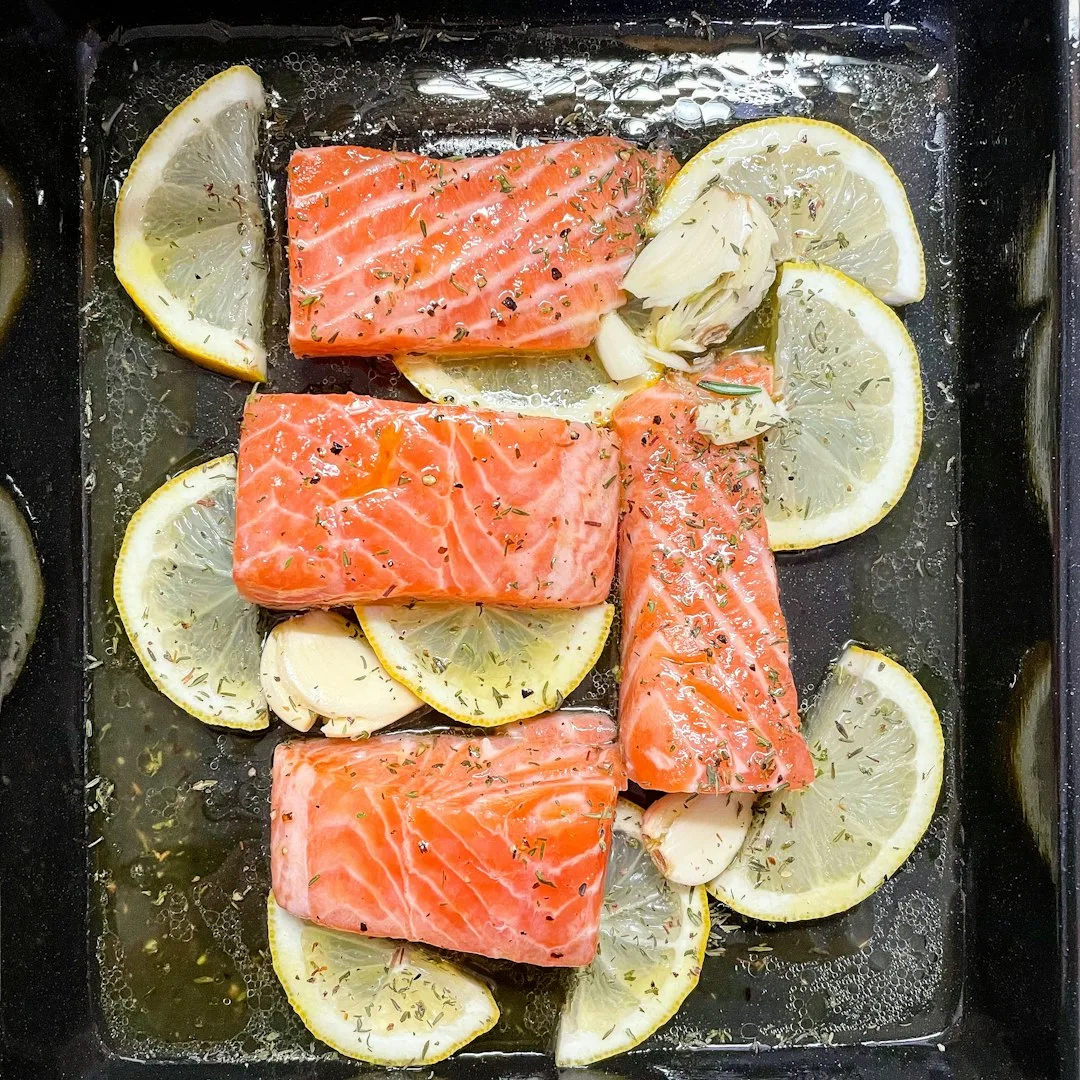
Brighten up your weeknight routine with this vibrant Lemon Butter Salmon with White Beans, a sophisticated yet delightfully simple dish designed for two. In just twenty minutes, you can bring restaurant-quality flavors to your own dining table without spending hours over a hot stove. This recipe pairs tender, flaky salmon fillets with creamy cannellini beans and nutrient-dense baby spinach, all tied together in a luscious, zesty pan sauce infused with garlic, fresh lemon juice, and rich butter. Because it relies on convenient pantry staples like canned beans alongside fresh seafood and greens, it strikes the ideal balance between effortless preparation and impressive presentation. Whether you are cooking for a cozy night in or a special date night at home, this streamlined one-pan meal delivers wholesome nourishment and vibrant taste in every single bite.
Lemon Butter Salmon with White Beans
Prep time: 5 minutes
Cook time: 15 minutes
Total time: 20 minutes
Servings: 2
Ingredients
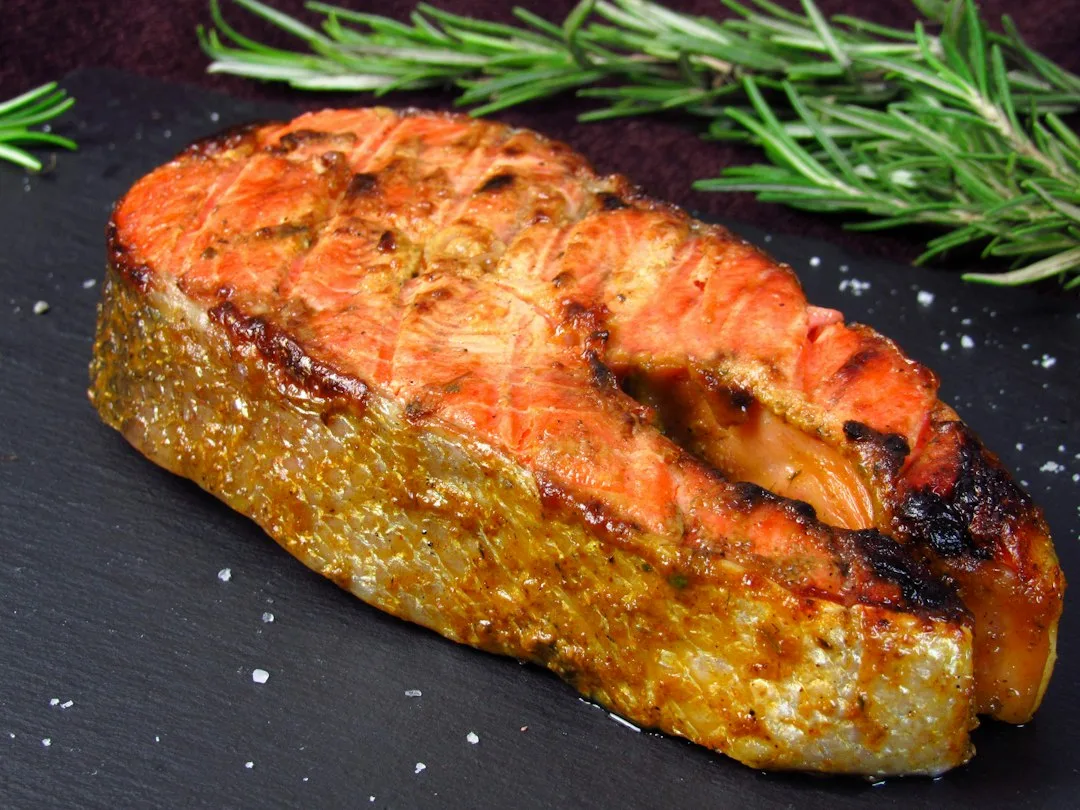
- 2 salmon fillets (about 6 ounces each), skin-on or skinless
- 1/2 teaspoon kosher salt, divided
- 1/4 teaspoon freshly ground black pepper, divided
- 2 tablespoons unsalted butter, divided
- 1 tablespoon extra-virgin olive oil
- 2 cloves garlic, minced
- 1 can (15 ounces) cannellini beans, rinsed and drained
- 2 cups fresh baby spinach
- 3 tablespoons fresh lemon juice
- 2 tablespoons low-sodium chicken broth or water
- 1 tablespoon freshly chopped flat-leaf parsley (optional, for garnish)
Instructions
- Pat the salmon fillets completely dry with paper towels to ensure a proper sear. Season both sides of the fish evenly with half of the kosher salt (1/4 teaspoon) and half of the black pepper (1/8 teaspoon). Set the seasoned salmon aside on a clean plate while you prepare the remaining ingredients.
- Place a large, heavy-bottomed skillet (cast iron or stainless steel works best) over medium-high heat. Add the extra-virgin olive oil and 1 tablespoon of the unsalted butter. Allow the butter to melt completely and foam, swirling the pan to coat the bottom evenly with the fat.
- Carefully lay the salmon fillets into the hot skillet, placing them flesh-side down first if you prefer a deeply browned presentation, or skin-side down depending on your preference. Sear undisturbed for about 4 to 5 minutes until a golden-brown crust forms on the bottom.
- Gently flip the salmon fillets over using a thin spatula. Reduce the heat to medium-low. Add the minced garlic directly into the pan juices surrounding the salmon, stirring it constantly for about 30 to 45 seconds until it becomes fragrant, taking great care not to let the garlic burn.
- Add the rinsed and drained cannellini beans directly into the skillet around the salmon fillets. Pour in the low-sodium chicken broth and the fresh lemon juice. Stir the beans gently so they absorb the flavorful pan juices, and let them simmer for about 2 to 3 minutes until heated through.
- Scatter the fresh baby spinach leaves directly over the top of the beans surrounding the salmon. Cover the skillet with a lid or a large piece of foil for about 1 to 2 minutes, allowing the steam to wilt the spinach down into a tender, vibrant green.
- Remove the lid and drop the remaining 1 tablespoon of unsalted butter into the sauce. Season the bean and spinach mixture with the remaining 1/4 teaspoon of kosher salt and 1/8 teaspoon of black pepper. Gently stir the melting butter into the pan juices to create a glossy, emulsified lemon butter sauce.
- Check the internal temperature of the salmon by inserting a reliable digital meat thermometer into the thickest part of the fish. Ensure the internal temperature reaches at least 145 degrees Fahrenheit for safe doneness.
- Divide the warm cannellini beans and wilted baby spinach evenly between two shallow bowls or dinner plates. Place one cooked salmon fillet gently on top of each bed of beans. Spoon any remaining lemon butter sauce from the skillet generously over the salmon and beans.
- Garnish each serving with a sprinkle of freshly chopped flat-leaf parsley if desired, and serve immediately while piping hot alongside extra lemon wedges.
Ingredient Selection and Smart Substitutions for Lemon Butter Salmon
Creating a vibrant, restaurant-quality meal in just twenty minutes relies heavily on the quality and preparation of your components. Because this dish features a minimalist ingredient list, every element plays a starring role in the final flavor profile. Choosing the right salmon, beans, aromatics, and fats ensures that your weeknight dinner tastes luxurious without requiring hours of kitchen labor.
Selecting the Prime Components
The foundation of this recipe is the salmon itself. Look for fresh fillets that feature a vibrant pink-orange hue, a firm texture, and a clean, briny aroma rather than a fishy smell. Whether you prefer wild-caught or farm-raised, uniformity in thickness is key to ensuring both fillets reach the mandatory food safety internal temperature of 145 degrees Fahrenheit at the same time. For the beans, canned cannellini beans offer a creamy, velvety texture that absorbs the rich sauce beautifully. Rinse them thoroughly under cold water to remove excess sodium and any metallic canning taste. Fresh baby spinach adds a pop of vibrant green and earthy flavor, while fresh garlic and bright, juicy lemons provide the essential aromatic and acidic balance to cut through the richness of the butter.
Dairy-Free and Vegetarian Adaptations
While traditional lemon butter sauce relies heavily on dairy, achieving a dairy-free version is remarkably simple. You can substitute the dairy butter with an equal amount of high-quality plant-based butter or high-smoke-point avocado oil. Keep in mind that plant-based butters melt and brown slightly differently than dairy butter, so monitor your skillet closely to prevent scorching. For those following a vegetarian or pescatarian lifestyle, the salmon can easily be omitted or replaced entirely. If you want a hearty vegetarian alternative, swap the salmon fillets for thick-cut portobello mushroom caps or pan-seared blocks of extra-firm tofu, searing them to a golden-brown finish before tossing them into the lemon-garlic bean mixture.
Gluten-Free and Scaling Considerations
Naturally, this core recipe is completely gluten-free, making it an ideal choice for anyone with celiac disease or gluten sensitivities, provided you verify that your butter and seasonings are certified gluten-free. If you are hosting guests or cooking for a larger household, scaling the recipe to four servings is straightforward. To double the yield from two servings to four, simply double all the ingredient quantities—four salmon fillets, two cans of cannellini beans, a larger quantity of spinach, and doubled measurements for the lemon, butter, and garlic. However, when cooking for four, use a larger 12-inch skillet or cook the salmon in two separate batches. Overcrowding the pan lowers the cooking temperature of the butter and traps moisture, which prevents your salmon fillets from developing a gorgeous, golden sear and keeps the spinach from wilting evenly.
Mastering the Workflow and Serving Suggestions
Success with this 20-minute recipe relies heavily on efficient timing and proper mise en place. Because salmon cooks rapidly, having all ingredients measured, rinsed, and within arm’s reach before the heat is turned on is essential. Begin by draining and rinsing the canned cannellini beans, mincing the garlic, washing the baby spinach, and slicing the lemon. Pat the salmon fillets completely dry with paper towels to ensure a proper sear and prevent splattering.
Start your workflow by heating a skillet over medium-high heat with a splash of oil. Season the salmon fillets generously with salt and pepper. Place them in the hot pan skin-side up and sear for about 4 to 5 minutes until a golden crust forms. Flip the fillets and cook for another 2 to 3 minutes. Remove the salmon from the pan and set it aside on a warm plate to rest while you quickly pull the pan sauce and beans together.
In the same skillet, reduce the heat to medium and melt a tablespoon of butter. Add the minced garlic and sauté for about 30 to 60 seconds until fragrant, taking care not to let it burn. Toss in the drained cannellini beans and let them warm through for 2 minutes, absorbing the garlic and pan drippings. Stir in the baby spinach and a squeeze of fresh lemon juice, cooking just until the greens wilt, which takes roughly 60 seconds. Nestle the rested salmon back into the bean and spinach mixture, spooning the warm lemon butter sauce over the top before serving immediately.
Troubleshooting Common Kitchen Challenges
Even simple recipes can occasionally present minor hurdles. If your salmon sticks to the pan, it usually means the pan wasn’t hot enough or the fish wasn’t ready to release. Do not force the fillet; let it cook for another 30 seconds, and it should naturally release from the surface. If your lemon butter sauce breaks or separates into an oily puddle, the heat was likely too high. Remove the skillet from the heat source immediately and whisk in a tablespoon of cold butter or a splash of warm water to emulsify the sauce back together.
If your spinach releases too much excess liquid and makes the bean mixture watery, turn the heat up to medium-high for the final minute of cooking to evaporate the moisture quickly. Regarding food safety, the USDA recommends cooking salmon to an internal temperature of 145°F (63°C). Use an instant-read meat thermometer inserted into the thickest part of the fillet to verify doneness without guessing, which also prevents dry, overcooked fish.
Frequently Asked Questions
What type of white beans work best?
Cannellini beans are my first choice for their creamy centers and mild, nutty flavor. Great Northern beans are smaller and work as a straight swap. Canned butter beans are a good option if you want a larger, firmer bean. Drain and rinse any of them before adding them to the skillet.
Can I use frozen salmon, and should I leave the skin on?
Yes. Thaw frozen fillets completely in the refrigerator and pat them dry with paper towels before cooking. For crisp skin, start skin-side down and serve the salmon over the beans with the skin facing up. Skinless fillets also work. Turn them gently with a wide spatula.
How do I keep the lemon butter sauce from separating?
Lower the heat once the beans and spinach are ready. Take the skillet off the burner and swirl in the finishing butter a little at a time. If the pan looks oily, swirl in a teaspoon of warm broth or water to bring the sauce back together. Add lemon juice to taste and avoid boiling the finished sauce.
Can I make this dairy-free?
Use olive oil or a dairy-free butter alternative. Olive oil gives a lighter finish. Whisk or swirl it into the lemon and cooking liquid just before serving.
Use the lemon to season in stages
Zest the lemon before cutting it. Stir a little zest into the beans once the broth has warmed so the citrus fragrance spreads through the skillet. Save most of the juice for the finish. Lemon juice changes the flavor quickly in a small portion, so taste the beans after the first squeeze. If they already have the brightness you want, pass the remaining wedges at the table. A little chopped parsley makes it easy to add a fresh note when you have less lemon or are using a strongly salted canned bean.
You might also like these recipes
Black Bean and Sweet Potato Tostadas
Lemon Butter Salmon with White Beans
10-Minute Rotisserie Chicken Wraps with Crunchy Slaw