
Jump to the recipe for the full ingredient amounts and method.
Broccoli cheddar brown rice bake combines tender cooked rice, broccoli, a smooth cheese sauce, and a golden topping. It is a comforting meatless family dinner beside a salad, or a generous side with cooked chicken. Fully cooked rice is essential because the short baking stage is designed to warm and settle the filling.
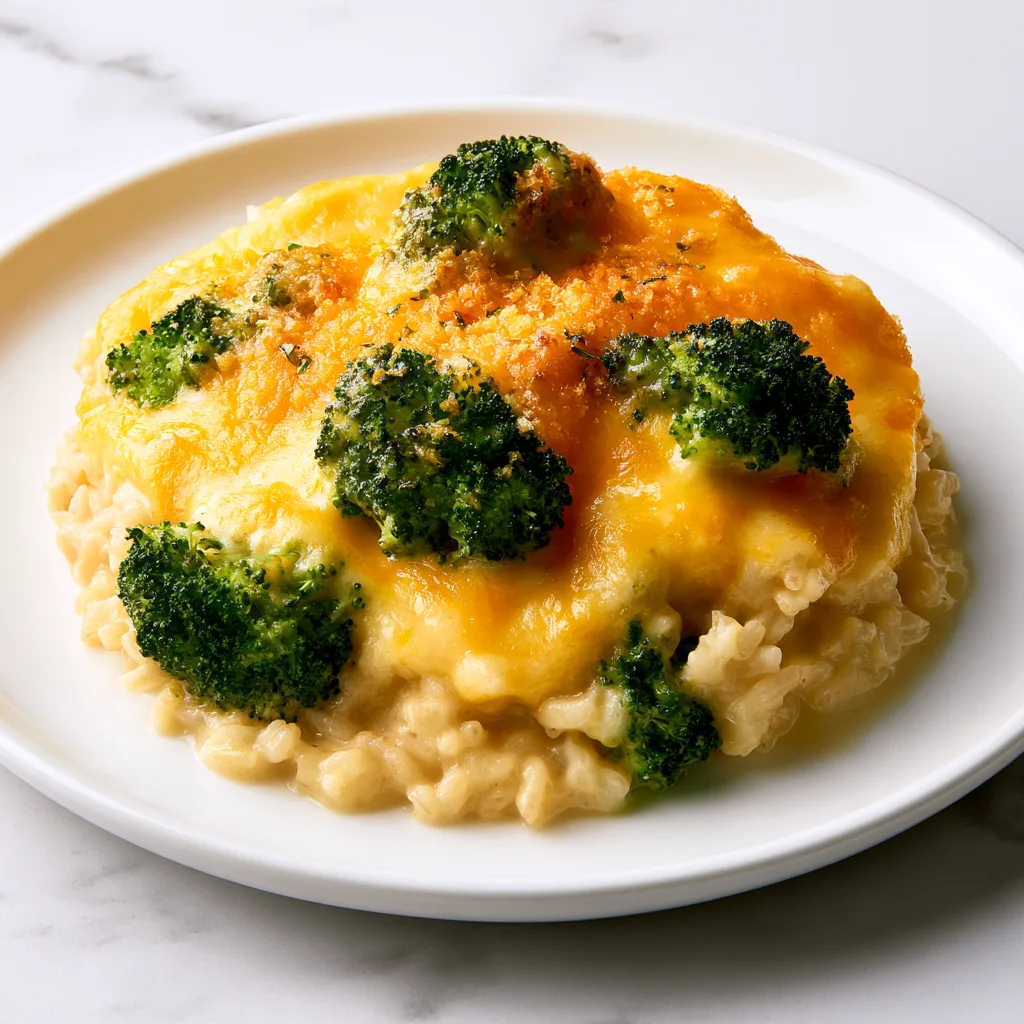
Recipe Snapshot
Prep: 20 minutes with cooked rice. Bake: 25–30 minutes. Rest: 10 minutes. Total: about 1 hour. Servings: 6.
Ingredient Notes and Substitutions
Rice
Measure after cooking and drain well. Dry rice cannot replace cooked rice here.
Broccoli
Briefly steam and drain thoroughly before assembly so the filling stays creamy.
Butter
Provides the sauce base. Melt over moderate heat without browning.
Onion
Soften before adding flour so there are no crunchy raw pieces in the sauce.
Flour
Cook briefly in butter. Adding dry flour straight into milk can create lumps.
Milk
Whisk in gradually. Thicken the sauce before combining with rice.
Cheddar
Freshly grated cheese melts well. Add most off heat and reserve some for topping.
Seasoning
Mustard adds depth. Taste after cheese because cheddar contributes salt.
Topping
A thin crumb layer provides crunch. Omit for a softer cheese surface.
Broccoli Cheddar Brown Rice Bake Recipe
Ingredients
- 4 cups cooked brown rice, about 700 g
- 4 cups (350 g) small broccoli florets
- 2 tablespoons butter
- 1 small onion, finely diced
- 2 tablespoons all-purpose flour
- 2 cups (480 ml) milk
- 2 cups (200 g) grated cheddar, divided
- 1 teaspoon Dijon, ½ teaspoon salt, ¼ teaspoon pepper
- ¼ cup (25 g) panko, optional
Step-by-Step Instructions
1. Prepare
Heat the oven to 375°F (190°C) and grease a 9-by-13-inch dish. Use tender cooked rice. Steam broccoli 3–4 minutes and drain thoroughly.
2. Make sauce
Melt butter, soften onion 5 minutes, and stir in flour for 1 minute. Whisk milk in gradually. Simmer until it coats a spoon. Remove from heat and stir in one and a half cups cheddar and seasonings.
3. Assemble
Fold rice and broccoli into sauce. Spread evenly in the dish and top with remaining cheese and optional crumbs. Filling should be moist without pooled liquid.
4. Bake
Bake 25–30 minutes until hot in the middle and golden. Rest 10 minutes before portioning. Serve with a fresh salad.
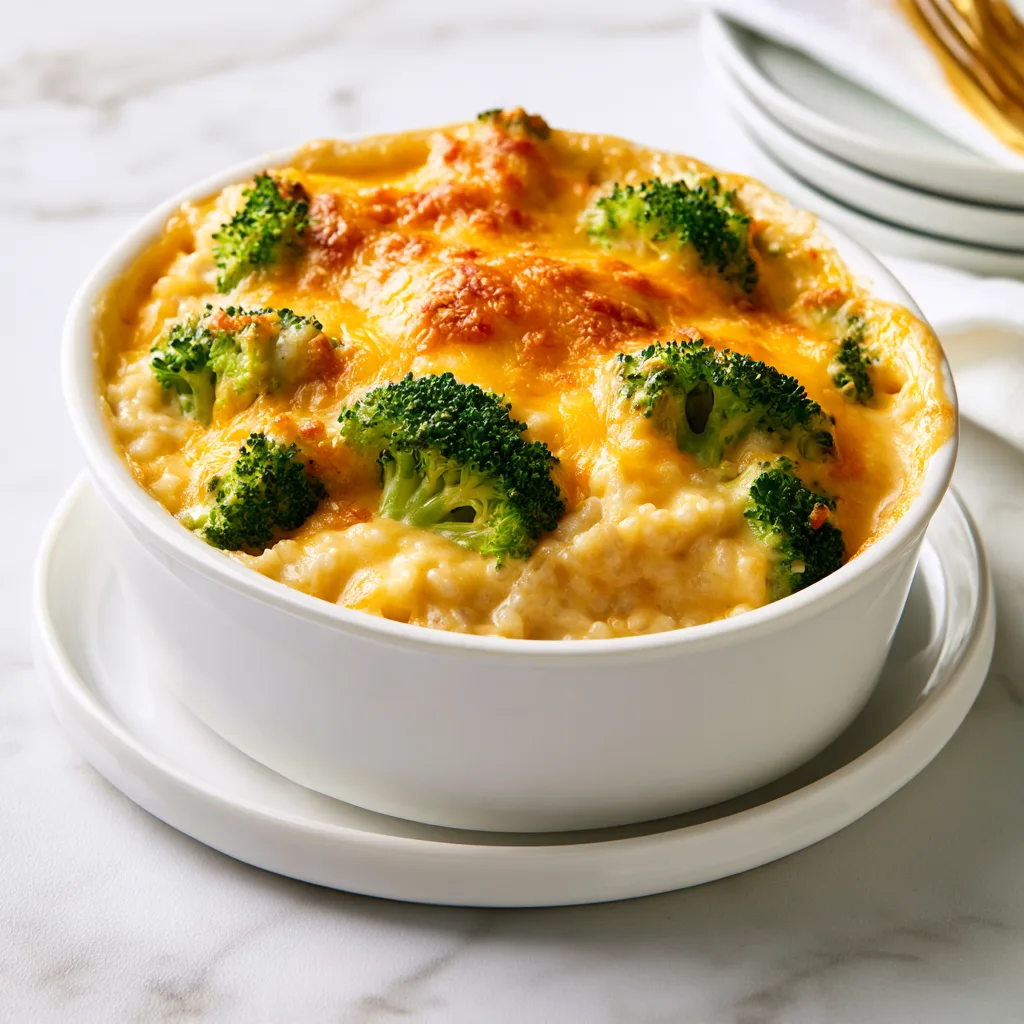
Cooked Rice Is the Foundation
Brown rice must be fully tender before it goes into this casserole. The sauce is not designed with enough liquid or baking time to cook dry rice from scratch. Prepare rice according to its package, drain any excess water, and fluff it before measuring four cups. If using leftover rice, handle it according to ordinary food-storage guidance and reheat the casserole thoroughly. Break up compacted clumps gently so the sauce can reach the grains evenly.
Brown rice adds a slightly nutty flavor and retains more chew than many white-rice varieties. That texture works well with soft broccoli and cheese sauce. If you prefer white rice, use the same cooked volume rather than the same uncooked measure. Different grains yield different amounts after cooking. Avoid adding extra dry grains simply to absorb a loose sauce; correct the sauce consistency before assembly instead. That keeps the finished bake predictable and prevents unpleasant hard pockets in the middle.
PrintBroccoli Cheddar Brown Rice Bake – Cozy Family Dinner
- Total Time: 1 hour
- Yield: 6 servings 1x
- Diet: Vegetarian
Description
A cozy Broccoli Cheddar Brown Rice Bake made with tender cooked brown rice, broccoli, creamy cheddar sauce, and a golden topping. Serve it as a comforting meatless family dinner or hearty side dish.
Ingredients
- 4 cups cooked brown rice (about 700 g)
- 4 cups (350 g) small broccoli florets
- 2 tablespoons butter
- 1 small onion, finely diced
- 2 tablespoons all-purpose flour
- 2 cups (480 ml) milk
- 2 cups (200 g) grated cheddar cheese, divided
- 1 teaspoon Dijon mustard
- 1/2 teaspoon salt
- 1/4 teaspoon black pepper
- 1/4 cup (25 g) panko breadcrumbs, optional
Instructions
1. Heat the oven to 375°F (190°C) and lightly grease a 9-by-13-inch baking dish. Steam the broccoli for 3–4 minutes, then drain thoroughly.
2. Melt the butter over moderate heat. Add the diced onion and cook for about 5 minutes until softened. Stir in the flour and cook for 1 minute.
3. Gradually whisk in the milk. Bring to a gentle simmer while stirring and cook until the sauce thickens enough to coat a spoon.
4. Remove the pan from the heat. Stir in 1 1/2 cups cheddar cheese, Dijon mustard, salt, and black pepper until smooth.
5. Fold the cooked brown rice and drained broccoli into the cheddar sauce until evenly coated.
6. Spread the mixture evenly in the prepared baking dish. Sprinkle with the remaining 1/2 cup cheddar and optional panko breadcrumbs.
7. Bake for 25–30 minutes until the center is hot and the topping looks lightly golden.
8. Remove from the oven and rest for 10 minutes before serving.
Notes
- Use fully cooked brown rice because the casserole does not contain enough liquid or baking time to cook dry rice.
- Drain the broccoli thoroughly to prevent a watery casserole.
- Remove the sauce from direct heat before adding cheddar to help keep it smooth.
- Freshly grated cheddar generally melts more smoothly than pre-shredded cheese.
- White rice can replace brown rice when you use the same cooked volume.
- For a softer topping, omit the panko breadcrumbs.
- Rest the casserole for 10 minutes before serving so the filling can settle.
- Prep Time: 20 minutes
- Cook Time: 30 minutes
- Category: Dinner
- Method: Baking
- Cuisine: American
Nutrition
- Serving Size: 1/6 casserole
Getting Broccoli Tender Without Wateriness
Broccoli is briefly steamed before assembly because the casserole stage is mainly for heating and browning. Cut florets small enough to eat comfortably and keep their sizes similar. The short steaming period should take away the raw firmness without making them completely soft. They continue cooking in the oven. Drain in a colander and let steam escape for a few minutes rather than tipping wet broccoli straight into the sauce.
Frozen broccoli can be used after cooking and thorough draining, but it often releases more moisture than fresh. Press excess water gently if necessary without crushing the florets. Include peeled, diced stems if you like their texture, giving them a little extra initial cooking time. If the broccoli is already very soft before baking, expect softer pieces in the final meal. That may still be enjoyable, but it differs from the intended contrast between tender florets and chewy rice.
Making the Cheddar Sauce Smooth
The flour-and-butter stage creates a base that thickens milk evenly. Stir flour through the butter and cook briefly to remove the raw flour taste. Pour milk in gradually while whisking so the mixture stays smooth. Once it simmers gently, continue stirring until it coats the spoon. Do not stop while it is still as thin as plain milk, because the rice mixture may then be too loose after baking.
Remove the saucepan from direct heat before stirring in cheddar. Cheese can turn grainy if overheated, especially once the sauce is already boiling strongly. Add grated cheese in portions and stir until each begins melting. Taste after adding Dijon and cheese before deciding on salt. The sauce should taste savory enough to carry plain rice, but not so salty that the cheese topping becomes overwhelming. Freshly grated cheddar gives a more predictable melt than some pre-shredded products.
Portions, Topping, and Table Balance
Spread the filling in a broad dish so the top has enough area to brown. A thin layer of panko gives crunch without turning into a dry crust. If omitting crumbs, the cheddar surface will be softer. Both versions are suitable; choose based on the texture you prefer. Do not add a very thick topping to compensate for a weak filling, because the interior still needs its own balanced seasoning.
Serve the bake with a tomato salad, crisp greens, or another fresh side. The casserole is already rich in cheese, so a heavy creamy accompaniment can make the meal feel repetitive. For six portions, cut rough serving areas after the resting period and use a broad spoon to lift them. If serving as a side beside chicken, smaller portions may be appropriate. Keep the role of the casserole clear when planning the rest of the meal so the yield suits your table.
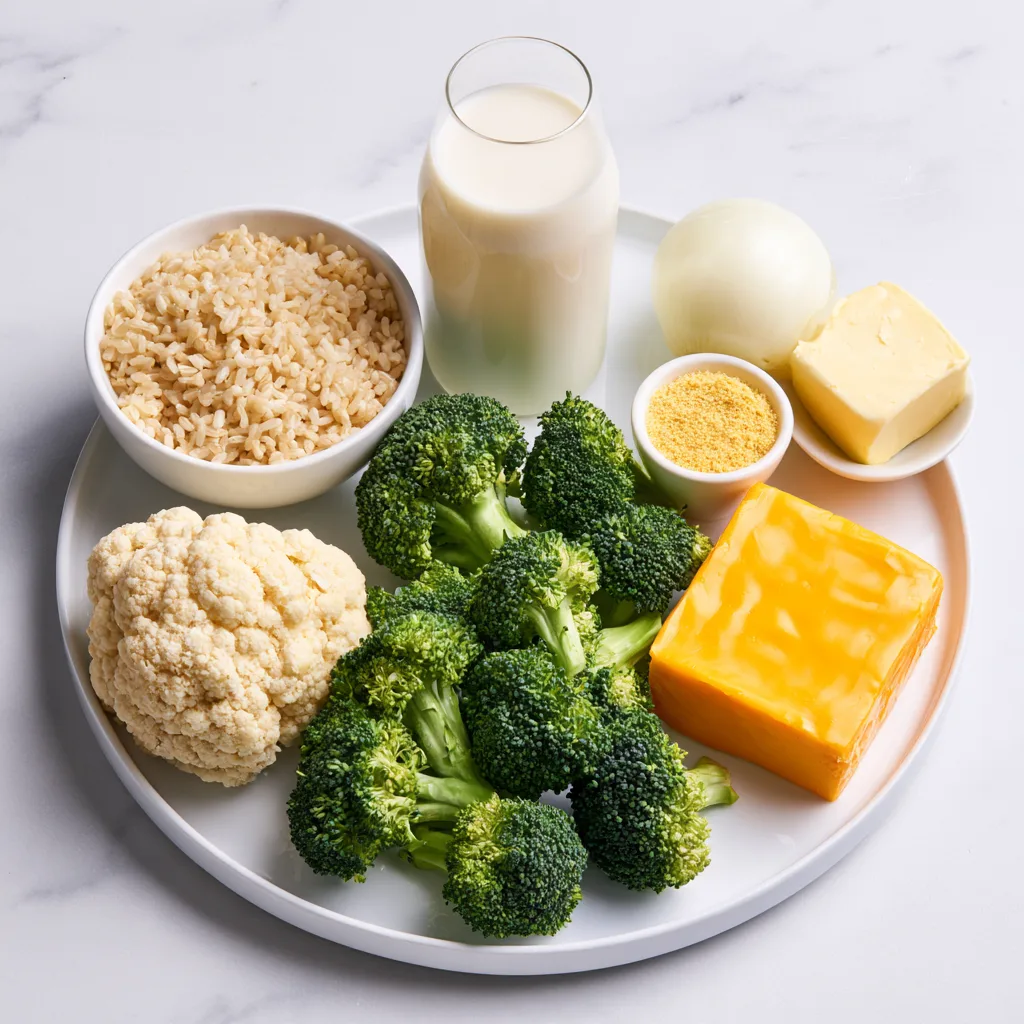
Tips for the Best Results
Use fully cooked rice. Drain broccoli carefully. Melt cheese off direct heat and avoid boiling afterward. Resting helps the filling settle.
Variations
Add drained white beans for more substance. Use some cauliflower after brief steaming. Cooked chicken can be folded in, but raw chicken does not suit the short bake.
Preparing the Filling Before Assembly
The filling should have its intended texture before it goes into the oven. Baking can warm ingredients through and brown a topping, but it will not reliably correct a watery filling or raw ingredients that need substantially longer cooking. Follow the separate preparation stages and taste the filling before covering it with a topping.
Excess moisture is the most common reason a baked dinner becomes loose. Drain ingredients well, allow cooked vegetables to release steam, and reduce sauces before assembly when directed. Aim for a filling that holds together on a spoon while remaining moist. The oven will tighten it slightly, so avoid reducing it until completely dry.
Choosing the Right Baking Dish
Use the pan dimensions in the recipe as a practical guide. A deep, narrow dish creates a thicker layer that takes longer to heat in the center; a wide, shallow dish exposes more surface to browning. Keep some headroom below the rim so bubbling filling does not spill directly onto the oven floor.
Lightly grease the dish where instructed to make portions easier to lift. If you expect vigorous bubbling, place the dish on a rimmed sheet pan. Remember that glass, ceramic, and metal distribute heat differently, so check the center and edges rather than relying on the clock alone. Use oven mitts even after the resting period.
Building an Even Topping
Distribute topping in small amounts across the surface before spreading it. Dropping everything into the center can push filling toward the edges and create an uneven thickness. Work gently so distinct layers remain visible. If the recipe uses cheese, cover the exposed areas evenly without forming an especially thick mound in one corner.
Watch the top near the end of cooking. Golden patches add flavor, while a fully dark crust may become bitter or tough. If the top browns before the center is hot, cover loosely with foil and continue baking. Avoid turning on the broiler without close attention; its concentrated heat can darken a topping in moments.
Why Resting Improves the Result
A brief rest gives the hot filling time to settle and makes portions easier to serve. Cutting immediately can make a properly prepared bake look runny because the liquid is still bubbling and the layers are moving. Rest the dish on a heatproof surface, then use a broad spoon or spatula to lift each portion.
Resting does not mean leaving dinner at room temperature for a long time. Serve after the stated interval, and handle leftovers promptly. If you prefer softer, spoonable portions, serve slightly sooner; for a neater slice, allow the full rest. The intended result is a comforting dinner rather than a rigid block.
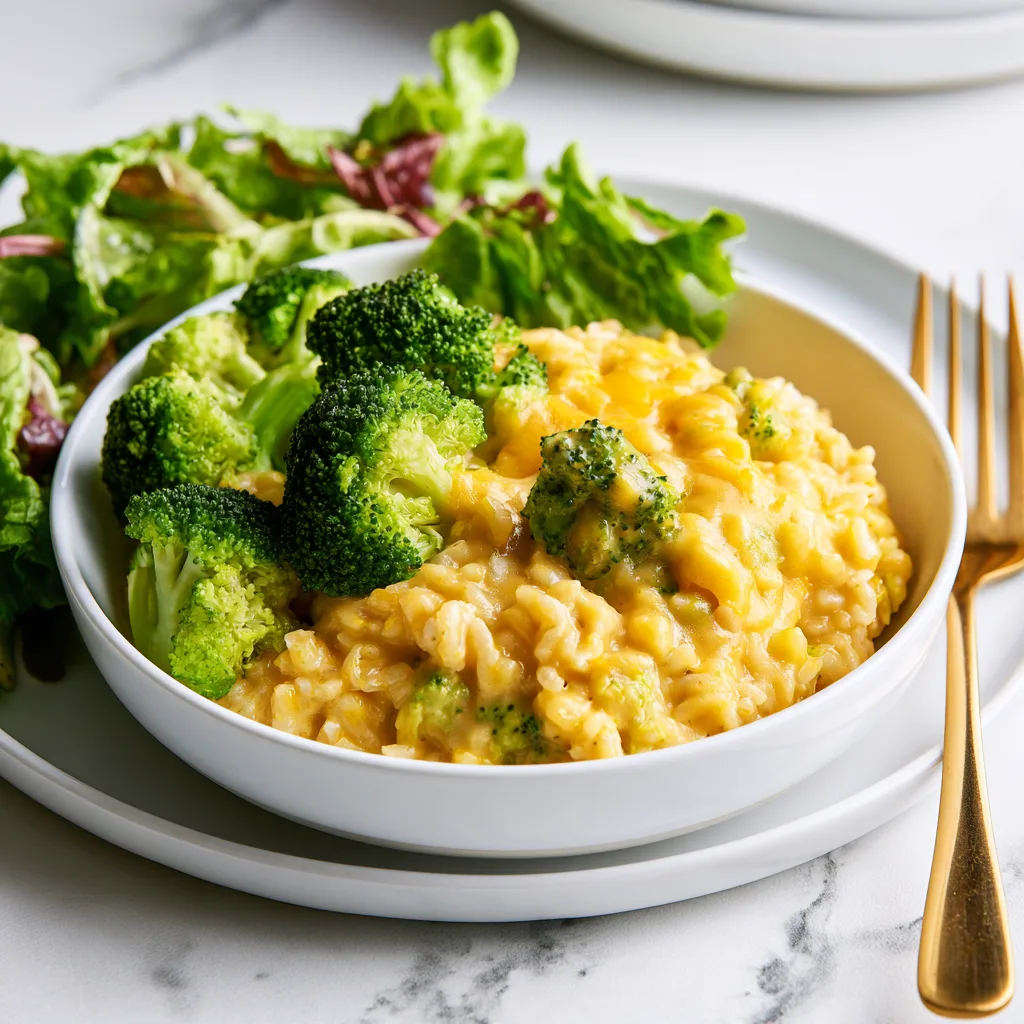
Planning Ahead and Saving Portions
You can prepare individual components in advance, chill them promptly, and assemble closer to dinner. If baking a fully chilled dish, allow extra time for its center to heat and watch the topping separately. Do not place a cold glass dish directly into conditions its manufacturer warns against, since sudden temperature changes may damage it.
Pack leftovers in shallow containers so smaller portions cool efficiently. Reheat with a cover at first to retain moisture, then uncover briefly if you want to refresh the top. Add a small splash of water or broth around a dry edge rather than soaking the entire portion. A fresh salad or herbs can provide contrast alongside reheated servings.
Frequently Asked Questions
Can I use white rice?
Use the same volume of tender cooked rice; the result will be softer.
Why is sauce grainy?
Cheese may have overheated. Add it off heat.
Can I assemble ahead?
Chill components promptly and allow extra baking time for a refrigerated center.
More Recipes to Try
Slow Cooker Beef and Sweet Potato Chili – Hearty Fall Dinner and Creamy Tomato White Bean Tortellini Soup – Easy Cozy Dinner offer additional ideas for your next meal.
Making the Bake Without Crumbs
The optional panko is only a texture finish, so leaving it out does not require changing the filling. Spread the reserved cheddar evenly and let the top become lightly golden. A crumb-free portion remains softer, which can suit people who prefer a creamy casserole. Do not add extra cheese automatically to replace the missing crumbs; the listed quantity already seasons both sauce and top. If some guests want crunch, toast crumbs separately in a small skillet and offer them at the table. That keeps the main dish consistent while allowing different preferences. Use a broad spoon for serving because the filling remains tender rather than forming a rigid slice.
You might also like these recipes
Creamy Carrot Ginger Chickpea Soup – Easy One-Pot Dinner
Sheet Pan Balsamic Chicken and Pears – Easy Fall Dinner
Broccoli Cheddar Brown Rice Bake – Cozy Family Dinner