
Jump to the recipe for the full ingredient amounts and method.
Sheet pan balsamic chicken and pears pairs roasted boneless chicken thighs with firm pear wedges and red onion. A measured coating of balsamic vinegar, Dijon, olive oil, and rosemary balances sweet fruit with savory flavor. Serve with rice, potatoes, or a green salad to catch the warm pan juices.
Recipe Snapshot
Prep: 15 minutes. Cook: 25–30 minutes. Total: 45 minutes. Servings: 4.
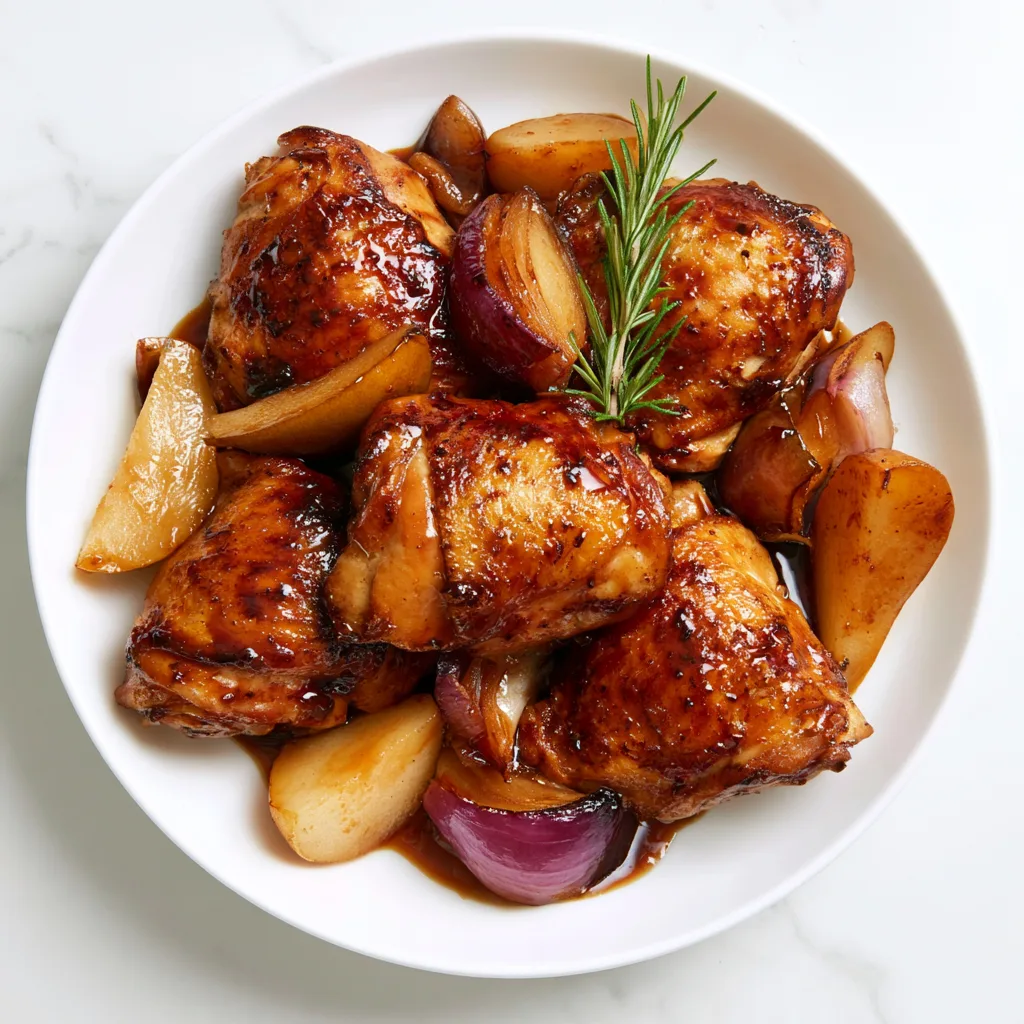
Ingredient Notes and Substitutions
Chicken
Use similar sizes and arrange flat rather than folded. Begin checking breasts earlier if substituting.
Pears
Ripe but firm fruit retains shape. Soft pears collapse and release more moisture.
Onion
Thick wedges tolerate roasting better than thin slices. Turn halfway for even edges.
Oil
Combine with vinegar before coating, rather than leaving oily pools on the tray.
Vinegar
Use regular vinegar, not thick sweet glaze that can burn quickly.
Mustard
A little mustard ties the coating together without overpowering the pears.
Garlic
Mix into coating rather than leaving exposed dry piles that darken quickly.
Rosemary
Discard tough stems and measure carefully. Thyme makes a gentler alternative.
Seasoning
Taste the coating’s ingredients when choosing salt. Add parsley only after roasting.
Sheet Pan Balsamic Chicken and Pears Recipe
Ingredients
- 1½ lb (680 g) boneless skinless chicken thighs
- 2 firm pears, cored and cut into thick wedges
- 1 large red onion, cut into thick wedges
- 2 tablespoons olive oil
- 2 tablespoons balsamic vinegar
- 1 teaspoon Dijon mustard
- 2 minced garlic cloves
- 1 teaspoon finely chopped rosemary
- ½ teaspoon salt, ¼ teaspoon pepper, parsley to finish
Step-by-Step Instructions
1. Mix the coating
Heat the oven to 425°F (220°C). Whisk oil, vinegar, Dijon, garlic, rosemary, salt, and pepper. Divide into two bowls before handling chicken so fruit stays separate from raw-meat utensils.
2. Arrange
Coat chicken in one bowl and pears and onion in the other. Spread over a rimmed tray with space between pieces. Use two trays if everything fits only in a crowded layer.
3. Roast
Roast 25–30 minutes, checking pears after 15 minutes. Remove tender fruit early if darkening. Chicken must reach 165°F (74°C) in its thickest part.
4. Serve
Rest chicken 5 minutes, then divide with pears and onion. Spoon pan juices over portions and add parsley. Mild rice or mashed potatoes balances the tangy coating.
Choosing Pears That Hold Their Shape
This dinner depends on pears that soften while remaining recognizable. Look for fruit that gives slightly near the stem but still feels firm through the body. Very soft pears can break apart when tossed with the coating and release enough juice to steam surrounding ingredients. Cut thick wedges rather than small cubes, and remove the core completely. Leaving the skin on gives the pieces some support, although peeling remains an option if you prefer a softer bite.
Different varieties roast differently. Bosc pears often keep their structure well, while very ripe Bartlett pears may become softer sooner. Begin checking the fruit before the chicken finishes, especially with a new variety. Remove individual wedges that are tender and golden, then return them to the plate when the meat is ready. The recipe does not require every ingredient to stay on the tray for exactly the same time. Staggered removal is a useful part of sheet-pan cooking rather than evidence that the meal has gone wrong.
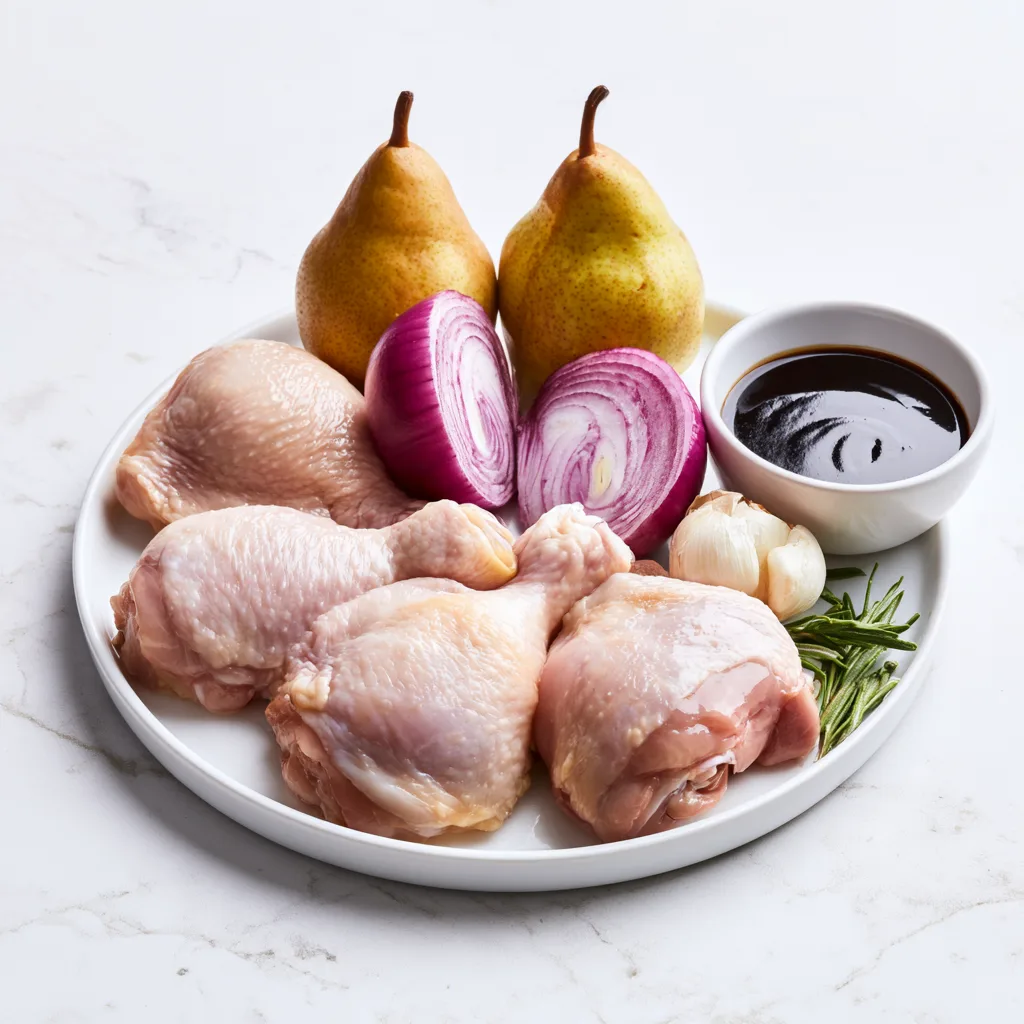
Regular Balsamic Versus Glaze
Regular balsamic vinegar is a liquid seasoning with acidity and some natural sweetness. A balsamic glaze is thicker and often more concentrated, which changes how quickly it darkens under high heat. Use regular vinegar for the measured coating. If you have only glaze, save a small amount for the cooked plate rather than coating the raw ingredients heavily with it. This prevents the outside from becoming dark before the chicken and vegetables are ready.
The vinegar combines with oil, Dijon, garlic, and rosemary to create a balanced coating. Whisk well before dividing it so both bowls receive similar proportions. One bowl is for chicken and the other for pears and onion, keeping raw-meat handling separate. Do not reuse the uncooked chicken coating as a finishing sauce. The cooked tray juices are the useful sauce at serving time. If they are concentrated, spoon them modestly over rice or potatoes rather than pouring every drop over the fruit.
Rosemary and Garlic in a Hot Oven
Rosemary has a strong flavor, so chop it finely and measure the leaves without woody stems. Large stiff pieces are unpleasant to eat and can make one bite much more herbal than another. Thyme is a useful alternative if rosemary is too assertive for your table. Dried rosemary can be harder and more concentrated than fresh; if using it, crush it finely and begin with less. Fresh parsley added after roasting supplies a softer finish.
Minced garlic should be spread through the coating rather than sitting dry on the tray. Tiny exposed pieces can scorch quickly at the roasting temperature. If you notice isolated dark garlic spots, avoid scraping those into the serving juices. The aim is a savory background, not bitter burnt flavor. Keeping the oil and vinegar measured helps the coating cling without flooding the pan. A little browning on onion edges is desirable, but completely blackened layers should be removed before plating.
Making a Complete Dinner from the Tray
Start rice or mashed potatoes early enough that they finish near the chicken. Those mild sides catch the tangy juices and make the meal more generous. A salad with a restrained dressing is another option; too much extra vinegar can make the entire meal sharply acidic. Divide pears and onion among plates before adding chicken so each person gets the intended sweet-savory balance. Add chopped parsley last and serve extra pepper separately.
For leftovers, keep fruit portions intact and reheat gently. Pears become softer after storage, so avoid vigorous stirring in a skillet. Warm chicken and vegetables with a small amount of liquid if needed, then finish with fresh herbs. The reheated meal may have less crispness than the fresh tray but can still work well over rice. Do not promise that leftover pears will retain the same roasted edges. Using a mild side and fresh garnish restores contrast without requiring another full cooking project.
Tips for the Best Results
A dark balsamic coating does not establish chicken doneness. Use a thermometer. Remove fruit independently if its timing differs. Avoid concentrated glaze and excessive sugar.
Variations
Firm apples replace pears for a tarter result. Brussels sprouts need a head start before chicken is added. Thyme can replace rosemary for a softer herbal flavor.
How to Arrange the Sheet Pan
Use a rimmed metal sheet pan large enough for the ingredients to form a loose single layer. Metal encourages browning, and the rim contains the juices. Spread the vegetables with some exposed pan between them instead of stacking them in a mound. If everything fits only by touching tightly, divide the recipe between two pans.
Keep the main protein in a distinct area so you can check or remove it without disturbing every vegetable. Different foods do not always finish together. Follow the staged timing in the directions, then judge tenderness and doneness separately. Turning the vegetables once exposes a new surface to the hot pan and helps prevent one side from becoming excessively dark.
Print
Sheet Pan Balsamic Chicken and Pears – Easy Fall Dinner
- Total Time: 45 minutes
- Yield: 4 servings 1x
- Diet: Gluten Free
Description
Juicy boneless chicken thighs roast with firm pears and red onion in a balsamic, Dijon, garlic, and rosemary coating. This easy sheet pan dinner brings sweet and savory fall flavors together in about 45 minutes.
Ingredients
- 1½ lb (680 g) boneless skinless chicken thighs
- 2 firm pears, cored and cut into thick wedges
- 1 large red onion, cut into thick wedges
- 2 tablespoons olive oil
- 2 tablespoons balsamic vinegar
- 1 teaspoon Dijon mustard
- 2 garlic cloves, minced
- 1 teaspoon finely chopped rosemary
- ½ teaspoon salt
- ¼ teaspoon black pepper
- Fresh parsley, for finishing
Instructions
1. Heat the oven to 425°F (220°C). Whisk olive oil, balsamic vinegar, Dijon mustard, garlic, rosemary, salt, and pepper. Divide the coating between two bowls before handling the raw chicken.
2. Coat the chicken in one bowl. Coat the pears and red onion in the second bowl. Arrange everything in a loose single layer on a rimmed sheet pan, leaving space between the pieces.
3. Roast for 25–30 minutes. Check the pears after 15 minutes and remove them early if they become tender and golden. Cook the chicken until its thickest part reaches 165°F (74°C).
4. Rest the chicken for 5 minutes. Divide the chicken, roasted pears, and onion among four plates. Spoon the warm pan juices over each serving and finish with fresh parsley.
Notes
- Choose ripe but firm pears so the wedges hold their shape during roasting.
- Use regular balsamic vinegar rather than thick balsamic glaze.
- Keep the chicken coating separate from the pear and onion coating after raw chicken touches it.
- Chicken must reach an internal temperature of 165°F (74°C).
- Serve with rice, mashed potatoes, or a simple green salad.
- Prep Time: 15 minutes
- Cook Time: 30 minutes
- Category: Dinner
- Method: Roasting
- Cuisine: American
Nutrition
- Serving Size: 1 serving
- Calories: Approximately 410
Preparing for More Even Roasting
Cut vegetables into similar sizes within each type. A few very large pieces can remain firm while small pieces become dry. Pat wet surfaces dry before adding oil because visible water encourages steaming. Toss vegetables in a bowl rather than pouring oil over the pan in one spot, so the coating is more evenly distributed.
Preheat the oven fully before the tray goes in. The first minutes of roasting are more predictable when the oven already holds the intended temperature. Place the pan near the center unless your oven manual recommends otherwise. If one side of the oven consistently browns faster, rotate the tray when you turn the vegetables.
Watching Color and Moisture
A little golden color is useful; blackened seasoning usually tastes bitter. Check earlier than the longest estimated time, especially when your oven runs hot or the food is cut small. If vegetables are becoming too dark before tender, reduce the heat slightly or move the tray away from the strongest heat source.
Pan juices are normal, but a deep pool makes crisp edges harder to achieve. Crowding, wet ingredients, and an oversized amount of marinade can all increase moisture. Use the measured coating and let excess drip away where the directions suggest it. If necessary, move finished protein to a plate and allow the vegetables a few additional minutes.
Making Dinner Fit Your Schedule
Prepare the side dish before loading the tray so everything can finish near the same time. Rice, couscous, or a salad can be made while the oven does most of the work. Set aside clean serving utensils before handling raw protein, and keep the preparation area organized so the final plating is simple.
For a smaller household, halve the ingredients and use a smaller tray while maintaining space between pieces. For a larger group, use two trays and rotate their positions during cooking if your oven heats unevenly. Doubling the ingredient amounts does not mean doubling the roasting time; the size and spacing of the pieces remain the main factors.
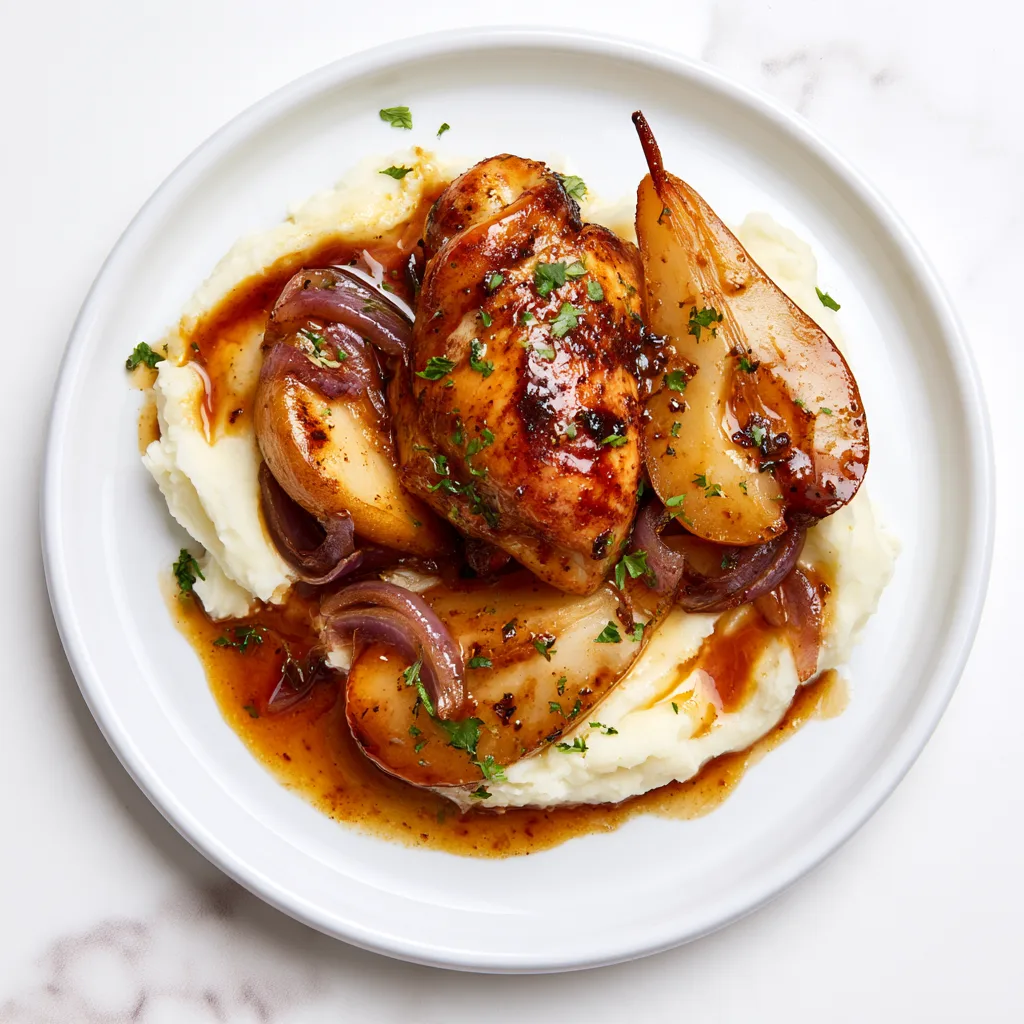
Serving and Reheating Roasted Meals
Serve each portion with a mixture of vegetables and spoon over any flavorful juices. Fresh herbs and citrus can be added at the table to preserve their aroma. If serving with a grain, place the vegetables alongside it rather than mixing everything into the tray, which helps the roasted pieces keep their texture.
Refrigerate leftovers promptly in shallow containers. To reheat, use moderate oven heat or warm a portion gently in a covered skillet with a small splash of water. The microwave is convenient but softens browned edges. Reheat only the amount you plan to eat and add fresh finishing ingredients afterward rather than repeatedly warming the whole batch.
Frequently Asked Questions
Do pears need peeling?
No, although peeling is optional. Skin helps wedges stay intact.
Can I use chicken breasts?
Yes, with similar thicknesses and earlier temperature checks.
Why did the coating burn?
Concentrated glaze or excessive heat can darken quickly. Use regular balsamic vinegar.
More Recipes to Try
Slow Cooker Beef and Sweet Potato Chili – Hearty Fall Dinner and Creamy Tomato White Bean Tortellini Soup – Easy Cozy Dinner offer additional ideas for your next meal.
A Useful Apple Variation
If pears are unavailable, firm apples can fill the same role while producing a tarter meal. Cut substantial wedges and check tenderness before adding the chicken if the apples are especially firm. Their skins can remain on after washing. Avoid adding sugar simply because the fruit is less sweet; the balsamic coating is designed to balance savory chicken and fruit rather than imitate a dessert. At the table, a mild side such as rice gives the tangy juices somewhere to go. Keep rosemary restrained with either fruit. If testing the substitution for the first time, use it as the only major change so you can judge the difference clearly.
You might also like these recipes
Sheet Pan Balsamic Chicken and Pears – Easy Fall Dinner
Broccoli Cheddar Brown Rice Bake – Cozy Family Dinner
Apple Cinnamon Cottage Cheese Muffins – Easy Breakfast Bake