
Jump to the recipe for the full ingredient amounts and method.
Apple cinnamon cottage cheese muffins bring together finely diced apple, warm cinnamon, oats, and blended cottage cheese. Blending makes the cheese smooth, while oil keeps the muffins tender. They are a gently sweet breakfast bake rather than a frosted dessert, and work well with yogurt, fruit, or an afternoon cup of tea.
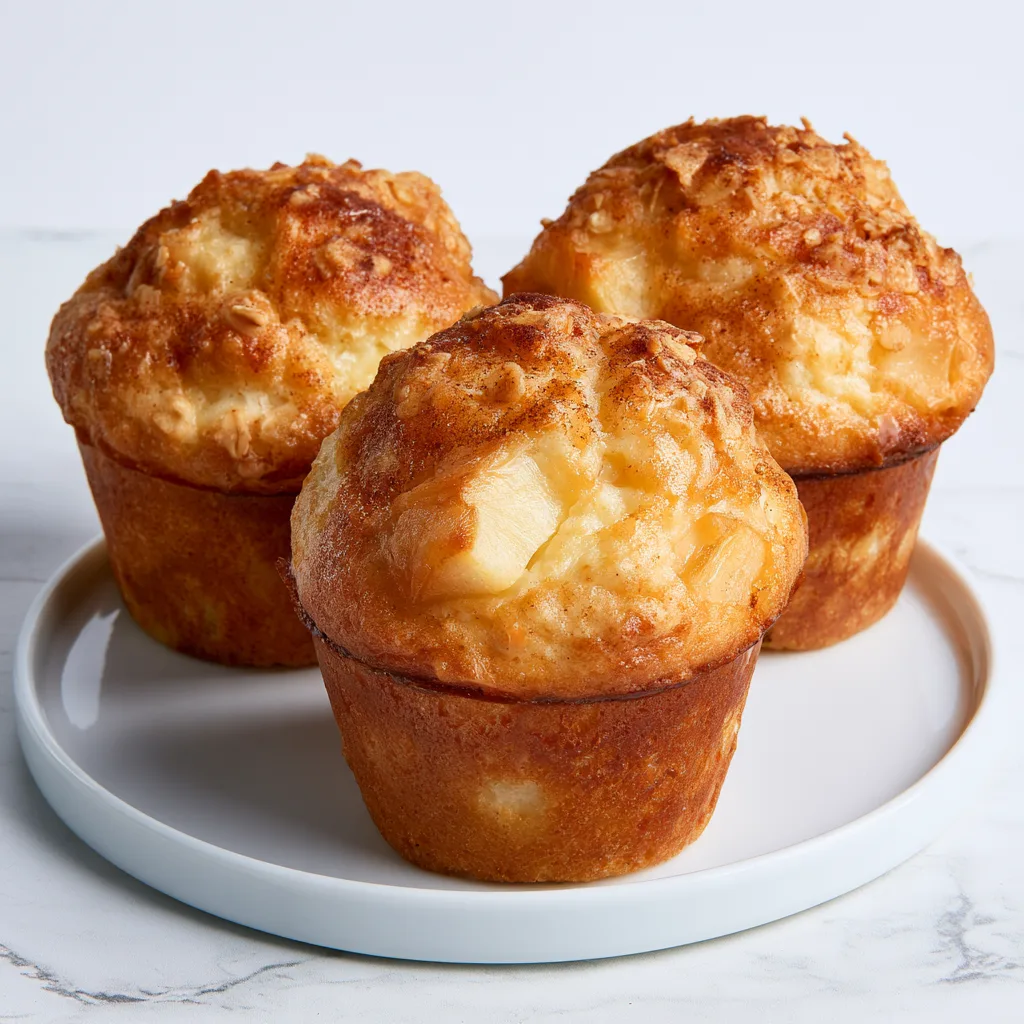
Recipe Snapshot
Prep: 20 minutes. Bake: 20–25 minutes. Cool: 10 minutes. Total: 55 minutes. Yield: 12 muffins.
Ingredient Notes and Substitutions
Flour
Weigh or spoon and level; packing flour tightly makes dry muffins.
Oats
Oats provide mild texture. Rolled or quick oats work, but steel-cut oats do not.
Dry ingredients
Distribute evenly through flour. Fresh baking powder helps the batter rise.
Cottage cheese
Blend until smooth. Drain obvious excess liquid without squeezing the cheese dry.
Eggs
Blend with the cheese so the batter sets evenly around the fruit.
Syrup
Adds sweetness and moisture. Dry sugar is not a direct liquid equivalent.
Oil
A mild oil keeps the crumb tender without competing with apple.
Milk
Helps blend the cheese. Begin with the measured amount rather than extra liquid.
Apple
Small pieces bake through and avoid large wet pockets. Peel if preferred.
Apple Cinnamon Cottage Cheese Muffins Recipe
Ingredients
- 1½ cups (190 g) all-purpose flour
- ½ cup (45 g) rolled oats
- 2 teaspoons baking powder, 1 teaspoon cinnamon, ¼ teaspoon salt
- 1 cup (225 g) cottage cheese
- 2 large eggs
- ⅓ cup (80 ml) maple syrup
- ¼ cup (60 ml) neutral oil
- ¼ cup (60 ml) milk and 1 teaspoon vanilla
- 1 firm apple, about 6 oz (170 g), finely diced
Step-by-Step Instructions
1. Prepare
Heat oven to 375°F (190°C). Line or grease 12 muffin cups. Stir flour, oats, baking powder, cinnamon, and salt together. Dice apple finely.
2. Blend
Blend cottage cheese, eggs, syrup, oil, milk, and vanilla until smooth. Scrape the container sides if curds remain. Do this before flour is added.
3. Fold
Add wet mixture to dry and fold just until combined. Fold in apple. Divide among 12 cups, approximately three-quarters full. Batter should be thick and scoopable.
4. Bake
Bake 20–25 minutes until golden and a tester has no wet batter. Rest 5 minutes in the tin, then move to a rack. Cool before eating because fruit holds heat.
Why Cottage Cheese Is Blended
Cottage cheese adds moisture and a mild dairy flavor, but its curds are visible unless blended. Blending with eggs, milk, syrup, oil, and vanilla creates a smoother wet mixture before flour is added. This is easier than trying to beat lumps out of the finished batter, which would risk overmixing the flour. Scrape the blender container and pulse again if large curds remain. Tiny traces are acceptable in a home-style muffin and may disappear during baking.
Brands differ in moisture and curd size. Drain a conspicuous pool of free liquid if present, but do not squeeze the cottage cheese until dry. The recipe uses it as a moist ingredient, not as a dry cheese crumble. Start with the listed milk amount and evaluate the combined batter only after the wet mixture meets the dry ingredients. Adding extra milk because the blended cheese looks thick can create a wetter batter than intended once syrup and eggs are included.
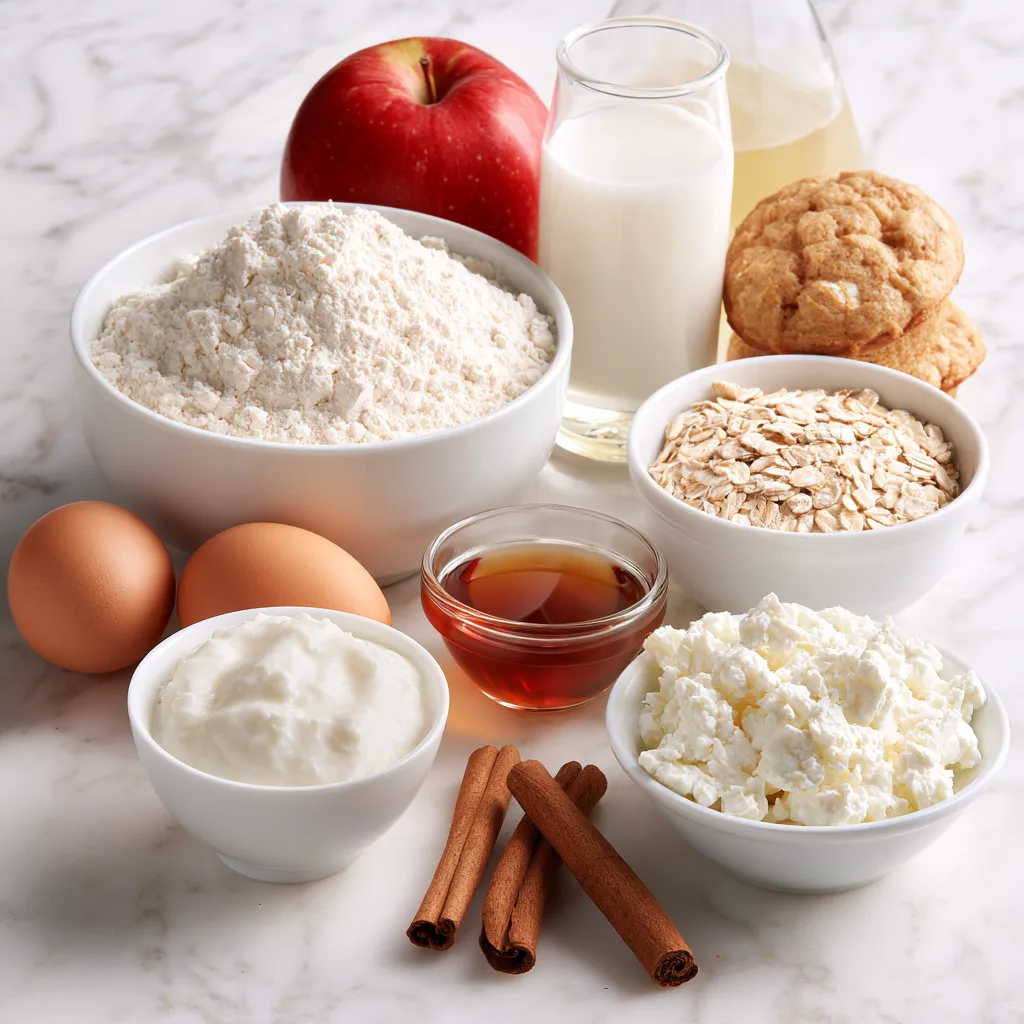
Apple Size and Moisture
Finely diced apple spreads through the muffins and has time to soften during the relatively short bake. Large chunks can leave wet pockets or make the batter difficult to portion. Choose a firm apple and cut it into small pieces after removing the core. Peel for a softer crumb, or leave the washed skin on if you like the texture. Grated apple is not identical because it releases moisture differently and can make the whole batter wetter.
The measured single apple gives fruit flavor without overwhelming the structure. If you have extra apples, serve slices alongside rather than folding several into one batch. A tart apple creates a more distinct contrast with maple syrup, while a sweet variety makes the muffin milder. The cinnamon amount is intentionally moderate so the apple remains noticeable. You can sprinkle a tiny amount of cinnamon on finished servings if desired, but adding a large extra spoonful to the batter can dominate the flavor.
Folding Batter and Filling the Tin
Once wet and dry ingredients are combined, fold only until dry flour is no longer visible. A few small lumps are acceptable; a perfectly glossy beaten batter is not the goal. Scrape the bottom and corners of the bowl because dry ingredients can hide there. Fold in apple with a few additional strokes. This keeps the mixture uniform without unnecessary beating and supports a tender crumb.
Divide the batter across all twelve cups rather than filling a few cups to the rim. A scoop makes portions more consistent, but an ordinary spoon works. Aim for similar levels so the muffins bake at roughly the same rate. If your tin has cups of a different size, adjust the yield and begin checking earlier for smaller portions. Grease or line every cup before mixing so the batter can go into the oven without an avoidable delay.
PrintApple Cinnamon Cottage Cheese Muffins – Easy Breakfast Bake
- Total Time: 55 minutes
- Yield: 12 muffins 1x
- Diet: Vegetarian
Description
Apple cinnamon cottage cheese muffins combine finely diced apple, warm cinnamon, oats, and smooth blended cottage cheese. Maple syrup adds gentle sweetness while neutral oil keeps the crumb tender. These easy homemade muffins make a comforting breakfast or afternoon snack.
Ingredients
- 1½ cups (190 g) all-purpose flour
- ½ cup (45 g) rolled oats
- 2 teaspoons baking powder
- 1 teaspoon ground cinnamon
- ¼ teaspoon salt
- 1 cup (225 g) cottage cheese
- 2 large eggs
- ⅓ cup (80 ml) maple syrup
- ¼ cup (60 ml) neutral oil
- ¼ cup (60 ml) milk
- 1 teaspoon vanilla extract
- 1 firm apple, about 6 oz (170 g), finely diced
Instructions
1. Preheat the oven to 375°F (190°C). Line or grease a 12-cup muffin tin. Stir the flour, oats, baking powder, cinnamon, and salt together in a large bowl. Finely dice the apple.
2. Add the cottage cheese, eggs, maple syrup, oil, milk, and vanilla to a blender. Blend until smooth, scraping down the sides if necessary.
3. Pour the blended cottage cheese mixture into the dry ingredients. Fold gently just until combined. Fold in the diced apple without overmixing. Divide the batter evenly among 12 muffin cups, filling each about three-quarters full.
4. Bake for 20–25 minutes, or until the muffins turn golden and a tester inserted into the center comes out without wet batter. Rest in the pan for 5 minutes, then transfer the muffins to a cooling rack. Cool before serving.
Notes
- Blend the cottage cheese before adding it to the flour for a smoother muffin texture.
- Finely dice the apple so the pieces soften evenly during baking.
- Avoid overmixing once the flour meets the wet ingredients.
- Drain only obvious excess liquid from very wet cottage cheese; do not squeeze it dry.
- Rolled oats or quick oats work well. Do not substitute steel-cut oats.
- Store cooled muffins appropriately or freeze individual muffins for convenient breakfasts.
- Prep Time: 20 minutes
- Cook Time: 25 minutes
- Category: Breakfast
- Method: Baking
- Cuisine: American
Nutrition
- Serving Size: 1 muffin
Cooling and Serving the Muffins
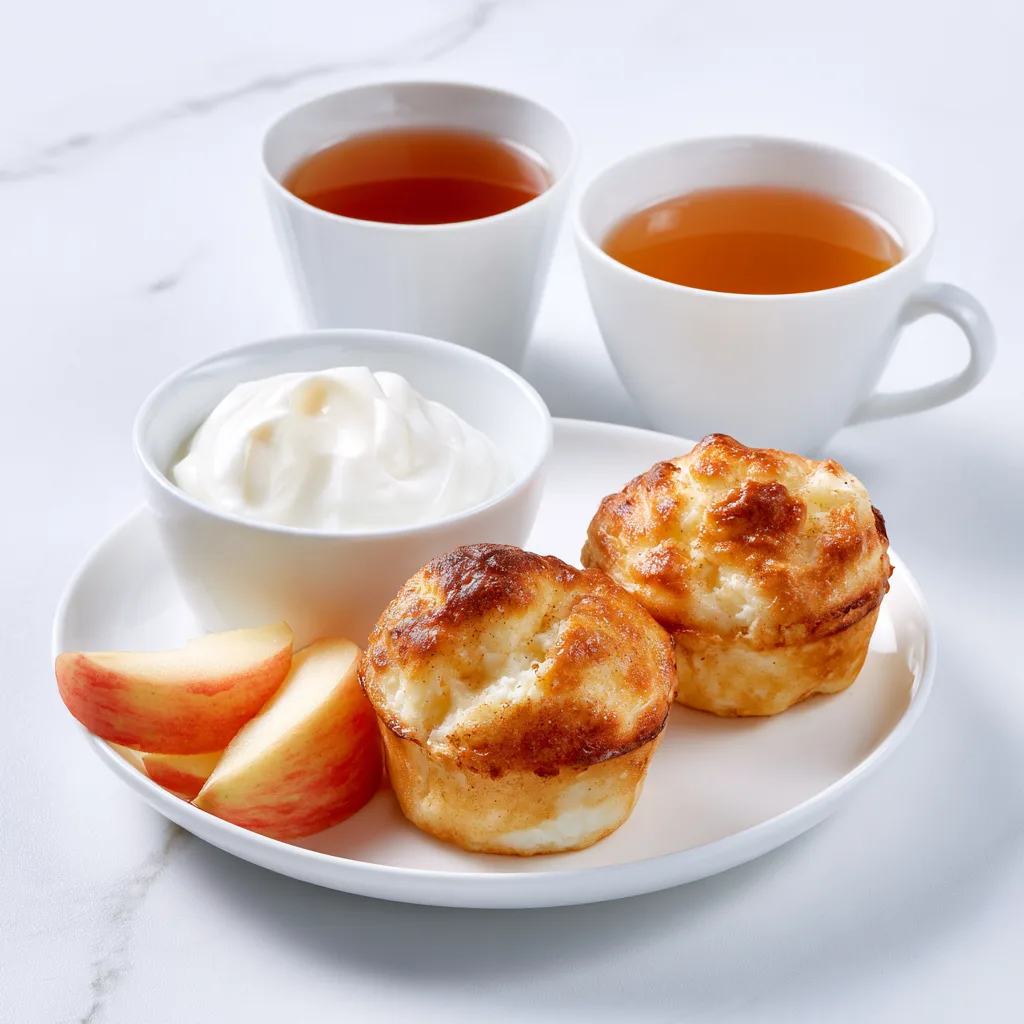
A short rest in the tin helps the muffins settle, but leaving them there too long can trap steam around the sides. Move them to a rack after about five minutes so air can circulate. Handle gently while warm because the fruit and dairy make the crumb tender. Do not assume a hot muffin’s texture represents the cooled result; it firms a little as it rests. Apple pieces also retain heat, so give them time before eating.
These muffins are designed as a breakfast or snack rather than a high-sugar dessert. Serve with plain yogurt and fresh fruit if you want a fuller meal. Avoid presenting unsupported nutrition numbers simply because cottage cheese is included; the amounts depend on ingredient brands and portion size. For freezing, cool appropriately, wrap portions, and thaw only what you need. A warmed muffin may be softer than a fresh one, but still offers a convenient way to use the batch across several breakfasts.
Tips for the Best Results
Avoid beating after flour meets liquids. Blend cheese first. Small fruit dice and consistent portions make the batch more predictable.
Variations
Use firm pear instead of apple. Add a modest handful of raisins or walnuts if suitable for your table. Oat flour is not a direct substitution for wheat flour.
Organizing the Ingredients Before Mixing
Measure the ingredients before combining them so the mixture does not sit while you search for an item. Prepare fruit or vegetables to the size specified in the recipe. Large pieces can create wet pockets or interfere with an even structure. Grease or line the baking vessel before the mixture is ready to transfer.
Use level measurements for dry ingredients where practical, and avoid packing flour unless the recipe specifically calls for it. Stir any separated dairy ingredient before measuring. If an ingredient is cold and stiff, give it only the brief preparation needed to combine smoothly rather than changing the recipe with extra liquid.
Understanding Moisture and Structure
Baked breakfasts need a balance between moisture and ingredients that hold the mixture together. Eggs, grains, bread, or flour each contribute in different ways, so a major substitution may change the result. Begin with the stated version before making several changes at once. That makes it easier to understand what needs adjusting next time.
Fruit can vary in juiciness, and vegetables may carry water after washing or cooking. Follow any draining or squeezing instructions carefully. A mixture that looks wetter than expected does not automatically need extra flour; first check the measurements and ingredient preparation. Unplanned additions can produce a dense or dry result after baking.
Using Oven Cues Alongside Timing
Preheat the oven and place the baking vessel where air can circulate around it. Start checking around the earliest stated time. The surface should show the color described in the directions, while the center should have the intended set. Ovens and baking vessels differ, so a visual check is more useful than assuming every batch takes exactly the same minutes.
If the top becomes dark while the middle still needs cooking, tent loosely with foil and continue checking. Avoid opening the oven repeatedly in the first part of the bake. Near the end, a few careful checks are worthwhile because they help prevent unnecessary drying. Let the finished breakfast rest as directed before portioning.
Making Breakfast Ahead
For easier mornings, prepare the ingredients the evening before or bake the complete recipe and chill portions after cooling appropriately. Keep fresh toppings separate. A finished portion can often be warmed while coffee or tea is prepared, which makes a baked breakfast useful beyond a weekend brunch.
Reheat one serving gently instead of repeatedly warming the whole batch. Add a small splash of milk only where the specific recipe benefits from it. Oven reheating generally refreshes outer texture better than the microwave, while the microwave is faster. Choose based on the portion size and how much time you have.
Serving for a Family or Brunch Table
Offer the baked breakfast with simple accompaniments that suit its flavor. Sweet versions often need only yogurt and fruit, while savory versions work with tomatoes or a light salad. Put optional toppings in small bowls so everyone can choose a portion without making the main recipe overly rich.
If serving several people, cut or portion the finished dish before bringing it to the table. Use the yield in the recipe as a starting point and consider what else is being served. Keep garnishes light enough that the main ingredients remain noticeable. A straightforward presentation is often the most convenient for a relaxed breakfast.
Frequently Asked Questions
Will cottage cheese be noticeable?
Blending removes large curds and baking makes its flavor mild.
Why are muffins dense?
Packed flour, overmixing, stale leavening, or very wet fruit can affect structure.
Can I freeze them?
Cool, freeze individually, and thaw or warm portions as needed. Texture may be slightly softer.
More Recipes to Try
Slow Cooker Beef and Sweet Potato Chili – Hearty Fall Dinner and Creamy Tomato White Bean Tortellini Soup – Easy Cozy Dinner offer additional ideas for your next meal.
Testing the First Batch
For the first batch, keep the recipe close to the listed ingredients and make a note of your oven’s finishing time. Observe whether the apple pieces soften, whether the tops brown evenly, and how the crumb feels after cooling. That information is more useful than changing several ingredients immediately. If one side of the tin browns faster, rotate near the later part of baking. A dark-colored pan may produce darker edges than a lighter one. Begin checking before the longest suggested time and remove when the tester shows no wet batter. Let the muffins cool before deciding whether the recipe needs more or less liquid next time.
You might also like these recipes
Broccoli Cheddar Brown Rice Bake – Cozy Family Dinner
Apple Cinnamon Cottage Cheese Muffins – Easy Breakfast Bake
Slow Cooker Beef and Sweet Potato Chili – Hearty Fall Dinner