
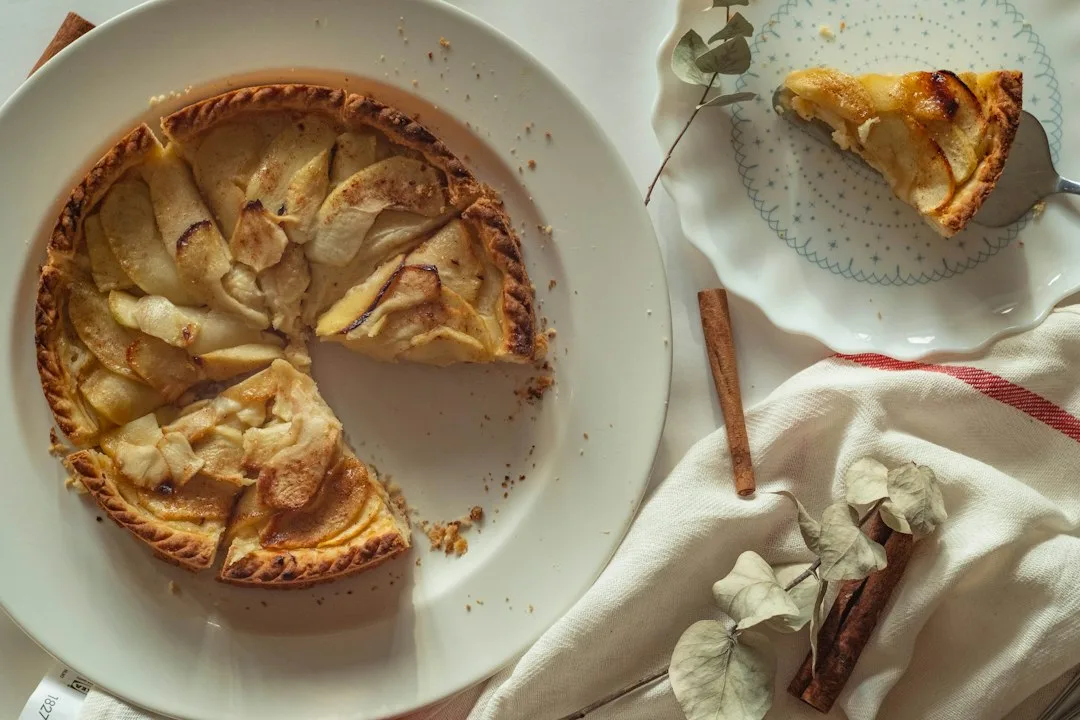
Rustic Spiced Pear and Ginger Galette with Flaky Crust combines fresh pears, warming ginger and a buttery free-form pastry. This detailed holiday recipe explains how to make it at home, avoid common mistakes, plan ahead and serve it with confidence.
Recipe Overview
Yield: approximately 8 servings. Read the complete recipe before starting. Use the visual doneness cues described below, because ovens and ingredients vary.
Ingredients
- 1 1/4 cups all-purpose flour
- 1 tbsp sugar for pastry
- 1/4 tsp salt
- 1/2 cup cold cubed butter
- 3–5 tbsp ice water
- 3 firm ripe pears
- 1/4 cup brown sugar
- 1 tbsp cornstarch
- 1 tsp fresh grated ginger
- 1/2 tsp cinnamon
- 1 tsp lemon juice
- 1 beaten egg
- 1 tbsp coarse sugar
Step-by-Step Instructions
Step 1
Combine flour, sugar and salt. Cut in cold butter and add ice water a tablespoon at a time until the dough just holds together.
Step 2
Shape dough into a disk and chill for 30 minutes. Heat the oven to 400°F.
Step 3
Thinly slice the pears and toss with brown sugar, cornstarch, ginger, cinnamon and lemon juice.
Step 4
Roll the chilled pastry into a roughly 12-inch circle on parchment. Arrange pears over the center, leaving a two-inch border.
Step 5
Fold the pastry border over the fruit, pleating naturally. Brush the exposed crust with egg and sprinkle with coarse sugar.
Step 6
Bake for 35–40 minutes until the pastry is deeply golden and pear juices bubble. Cool for 15 minutes before slicing.
How the Ingredients Work Together
The combination of contrasting flavors and textures is what makes this dish satisfying. Think about the role of every ingredient rather than adding extras automatically: sweetness needs contrast, richness benefits from freshness, and a soft base often tastes better beside a crisp element. Follow the measured proportions the first time. Once you understand the finished result, you can adapt small details without losing the character of the recipe.
For pear ginger galette, this detail matters because fresh pears, warming ginger and a buttery free-form pastry need to stay balanced from preparation through serving. Work patiently, use the measured ingredients above and check the finished texture before making changes. A reliable first batch gives you a reference for future variations and makes the dish easier to repeat during a busy holiday season.
Choosing and Preparing Produce
Start with ingredients that look and smell fresh. Wash produce before cutting and dry it where excess surface water would dilute the mixture. Cut pieces evenly so they cook at the same rate. If a fruit is unusually ripe or a vegetable contains more moisture than expected, watch the texture closely. Do not compensate by adding large amounts of flour or sugar without first checking the method and the required consistency.
For pear ginger galette, this detail matters because fresh pears, warming ginger and a buttery free-form pastry need to stay balanced from preparation through serving. Work patiently, use the measured ingredients above and check the finished texture before making changes. A reliable first batch gives you a reference for future variations and makes the dish easier to repeat during a busy holiday season.
Pan and Oven Setup
Prepare the recommended pan before combining the ingredients. A pan with a very different depth changes cooking time, and a dark metal pan may brown the edges faster than a light one. Allow the oven to preheat fully. Position the pan in the center for even heat circulation. Keep a cooling rack and serving dish ready because the resting and finishing stages can matter as much as the baking itself.
For pear ginger galette, this detail matters because fresh pears, warming ginger and a buttery free-form pastry need to stay balanced from preparation through serving. Work patiently, use the measured ingredients above and check the finished texture before making changes. A reliable first batch gives you a reference for future variations and makes the dish easier to repeat during a busy holiday season.
Making the Texture Just Right
Texture depends on ingredient temperature, careful measuring and knowing when to stop mixing. Flour-based components can become tough if worked too long, while moist fillings can turn loose if additional liquid is added casually. Aim for a mixture that looks like the description in the instructions. If something seems off, check the quantities and let the ingredients settle before making a dramatic correction.
For pear ginger galette, this detail matters because fresh pears, warming ginger and a buttery free-form pastry need to stay balanced from preparation through serving. Work patiently, use the measured ingredients above and check the finished texture before making changes. A reliable first batch gives you a reference for future variations and makes the dish easier to repeat during a busy holiday season.
Step-by-Step Timing
Read every step once before starting and organize ingredients in the order they are used. The active preparation time can feel short when bowls, utensils and the pan are ready. Watch the dish during the final part of baking rather than setting a timer and walking away. Oven temperatures vary, so the visual cues in the instructions are a better final test than minutes alone.
For pear ginger galette, this detail matters because fresh pears, warming ginger and a buttery free-form pastry need to stay balanced from preparation through serving. Work patiently, use the measured ingredients above and check the finished texture before making changes. A reliable first batch gives you a reference for future variations and makes the dish easier to repeat during a busy holiday season.
Flavor Balance
Good seasonal cooking uses familiar flavors in balanced proportions. Spices and citrus should enhance the main ingredients, not overwhelm them. Measure strong aromatics carefully and taste components when it is safe to do so. A tiny amount of salt can sharpen sweetness, while acidity can prevent a rich dish from feeling heavy. Resist adding multiple new flavors at once, especially when cooking for guests.
For pear ginger galette, this detail matters because fresh pears, warming ginger and a buttery free-form pastry need to stay balanced from preparation through serving. Work patiently, use the measured ingredients above and check the finished texture before making changes. A reliable first batch gives you a reference for future variations and makes the dish easier to repeat during a busy holiday season.
Preventing Common Mistakes
Common problems include rushing preparation, changing the pan size, skipping the resting period and measuring flour by scooping directly from the bag. Use the spoon-and-level method for dry ingredients. Avoid repeatedly opening the oven door, which can lower the temperature. If the top browns before the center is done, loosely cover with foil and continue checking until fully cooked.
For pear ginger galette, this detail matters because fresh pears, warming ginger and a buttery free-form pastry need to stay balanced from preparation through serving. Work patiently, use the measured ingredients above and check the finished texture before making changes. A reliable first batch gives you a reference for future variations and makes the dish easier to repeat during a busy holiday season.
How to Serve It
Serve at a temperature that highlights the intended texture. A dish with a crisp topping benefits from being served soon after resting; a soft cake can taste wonderful slightly warm or at room temperature. Keep garnishes simple and relevant to the ingredients. For a holiday meal, smaller portions are often welcome because guests may be sampling several dishes at once.
For pear ginger galette, this detail matters because fresh pears, warming ginger and a buttery free-form pastry need to stay balanced from preparation through serving. Work patiently, use the measured ingredients above and check the finished texture before making changes. A reliable first batch gives you a reference for future variations and makes the dish easier to repeat during a busy holiday season.
Make-Ahead Planning
To reduce stress, measure dry ingredients and gather equipment in advance. Some components can be prepared the day before, but keep delicate toppings separate when they would soften in the refrigerator. Refrigerate perishable preparations promptly and follow the final cooking instructions when ready to serve. If baking from cold, expect the dish to take a little longer to heat through.
For pear ginger galette, this detail matters because fresh pears, warming ginger and a buttery free-form pastry need to stay balanced from preparation through serving. Work patiently, use the measured ingredients above and check the finished texture before making changes. A reliable first batch gives you a reference for future variations and makes the dish easier to repeat during a busy holiday season.
Ingredient Swaps
Substitutions are most reliable when they preserve the function of the ingredient being replaced. A thick cultured dairy ingredient behaves differently from a thin beverage, and a liquid sweetener changes moisture as well as sweetness. If you need a dairy-free version, choose an unsweetened alternative with similar richness. Record what you changed so the next attempt is easier to refine.
For pear ginger galette, this detail matters because fresh pears, warming ginger and a buttery free-form pastry need to stay balanced from preparation through serving. Work patiently, use the measured ingredients above and check the finished texture before making changes. A reliable first batch gives you a reference for future variations and makes the dish easier to repeat during a busy holiday season.
Storing Leftovers
Let the finished dish cool as directed, then transfer leftovers to a covered container. Refrigerate perishable food within two hours. Most cooked leftovers are best used within three to four days when stored properly. Use clean serving utensils and avoid leaving food on a buffet table for an extended period. Label containers with the date so the oldest portions are used first.
For pear ginger galette, this detail matters because fresh pears, warming ginger and a buttery free-form pastry need to stay balanced from preparation through serving. Work patiently, use the measured ingredients above and check the finished texture before making changes. A reliable first batch gives you a reference for future variations and makes the dish easier to repeat during a busy holiday season.
Freezing and Reheating
Freezing is useful for planning, although some crisp or glossy finishes change after thawing. Cool the food completely, wrap portions tightly and freeze in a suitable container. Thaw perishable portions in the refrigerator. Reheat gently, preferably in the oven when crispness matters. For best eating quality, use frozen portions within about two months and avoid repeated thawing and refreezing.
For pear ginger galette, this detail matters because fresh pears, warming ginger and a buttery free-form pastry need to stay balanced from preparation through serving. Work patiently, use the measured ingredients above and check the finished texture before making changes. A reliable first batch gives you a reference for future variations and makes the dish easier to repeat during a busy holiday season.
Adjusting for a Crowd
For a larger gathering, two normal-sized pans are often more reliable than one extra-deep pan. A thick layer can brown on the outside while remaining undercooked in the middle. Scale ingredients carefully and check whether the oven can circulate air around both dishes. Make a small test batch if you are trying the recipe for the first time before an important event.
For pear ginger galette, this detail matters because fresh pears, warming ginger and a buttery free-form pastry need to stay balanced from preparation through serving. Work patiently, use the measured ingredients above and check the finished texture before making changes. A reliable first batch gives you a reference for future variations and makes the dish easier to repeat during a busy holiday season.
Troubleshooting
If the finished dish is too wet, check whether produce released excess moisture or whether it was underbaked. If it is too dry, review measurements and baking time. Uneven color may indicate oven hot spots or a pan placed too close to a wall. A texture that seems fragile immediately after baking may improve after the recommended rest. Adjust one variable at a time.
For pear ginger galette, this detail matters because fresh pears, warming ginger and a buttery free-form pastry need to stay balanced from preparation through serving. Work patiently, use the measured ingredients above and check the finished texture before making changes. A reliable first batch gives you a reference for future variations and makes the dish easier to repeat during a busy holiday season.
Presentation for Holiday Tables
A little attention to the final presentation makes homemade food feel festive. Use a clean plate with enough space around the portion, and add a garnish only if it reinforces the flavors. Let the food settle before cutting or scooping so servings look tidy. The goal is an inviting, dependable recipe that tastes as good as it looks rather than a complicated restaurant-style finish.
For pear ginger galette, this detail matters because fresh pears, warming ginger and a buttery free-form pastry need to stay balanced from preparation through serving. Work patiently, use the measured ingredients above and check the finished texture before making changes. A reliable first batch gives you a reference for future variations and makes the dish easier to repeat during a busy holiday season.
Frequently Asked Questions
Which pears are best?
Bosc and Anjou pears hold their shape particularly well. Choose fruit that is ripe but still firm.
Can I use store-bought pie dough?
Yes. One refrigerated round of pie dough makes a convenient shortcut.
How do I avoid a soggy base?
Use cornstarch with the fruit, avoid overly ripe pears and bake until the pastry is well browned.
Can ground ginger replace fresh?
Yes. Start with about one-quarter teaspoon ground ginger, then adjust to taste next time.
Can I freeze the galette?
Yes, freeze cooled slices tightly wrapped, then reheat in the oven to restore some crispness.
Printable Recipe Summary
Rustic Spiced Pear and Ginger Galette with Flaky Crust
Ingredients: 1 1/4 cups all-purpose flour; 1 tbsp sugar for pastry; 1/4 tsp salt; 1/2 cup cold cubed butter; 3–5 tbsp ice water; 3 firm ripe pears; 1/4 cup brown sugar; 1 tbsp cornstarch; 1 tsp fresh grated ginger; 1/2 tsp cinnamon; 1 tsp lemon juice; 1 beaten egg; 1 tbsp coarse sugar.
- Combine flour, sugar and salt. Cut in cold butter and add ice water a tablespoon at a time until the dough just holds together.
- Shape dough into a disk and chill for 30 minutes. Heat the oven to 400°F.
- Thinly slice the pears and toss with brown sugar, cornstarch, ginger, cinnamon and lemon juice.
- Roll the chilled pastry into a roughly 12-inch circle on parchment. Arrange pears over the center, leaving a two-inch border.
- Fold the pastry border over the fruit, pleating naturally. Brush the exposed crust with egg and sprinkle with coarse sugar.
- Bake for 35–40 minutes until the pastry is deeply golden and pear juices bubble. Cool for 15 minutes before slicing.
Final Thoughts
This pear ginger galette is a comforting option for holiday gatherings and family cooking. Keep the method simple, follow the measured ingredients and let the finished dish rest before serving. With a little practice, it can become an easy seasonal favorite.
You might also like these recipes
Maple Pecan Sweet Potato Casserole (No Marshmallows)
Easy Cranberry Orange Upside-Down Cake for the Holidays
Spinach Cream Cheese Stuffed Mushrooms for Thanksgiving