
This pear and grape Thanksgiving fruit turkey platter turns a simple fruit tray into an eye-catching edible holiday centerpiece. A halved pear forms the turkey body while colorful rows of grapes, kiwi, apple slices and berries create the tail feathers. It is a fun make-ahead-friendly option for hosts who want a fresh dish alongside rich Thanksgiving favorites.
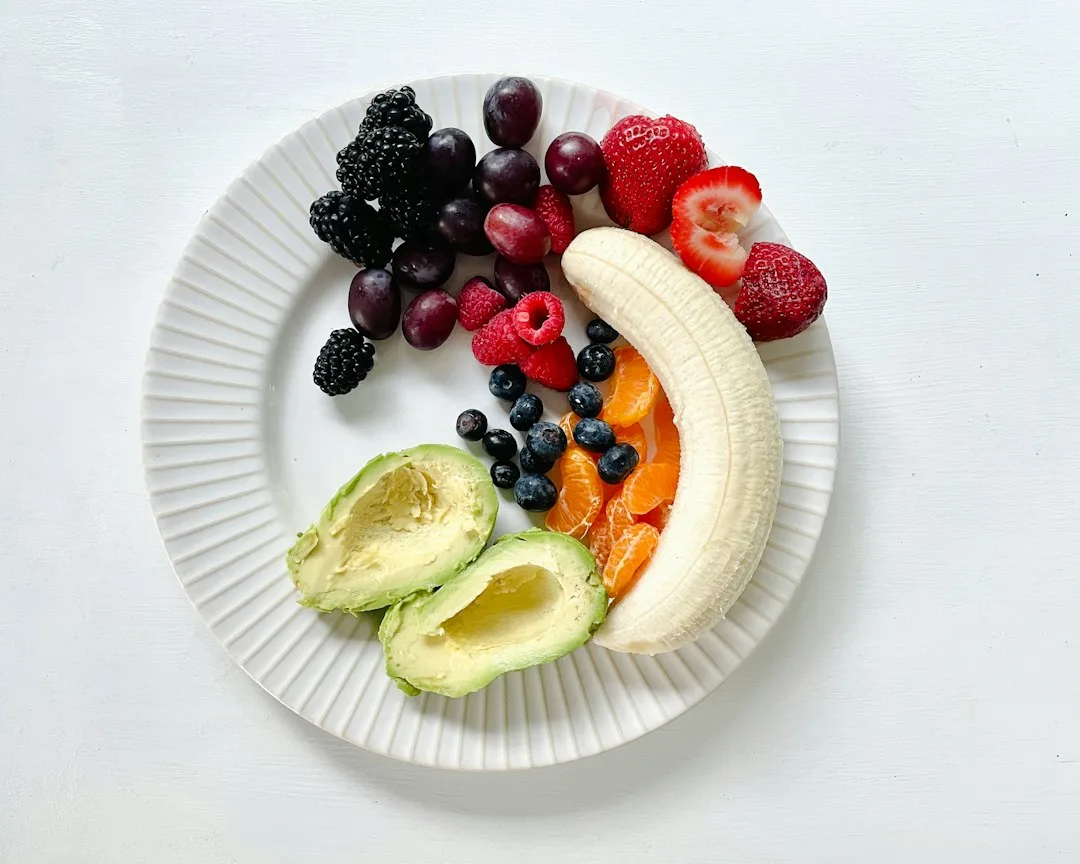
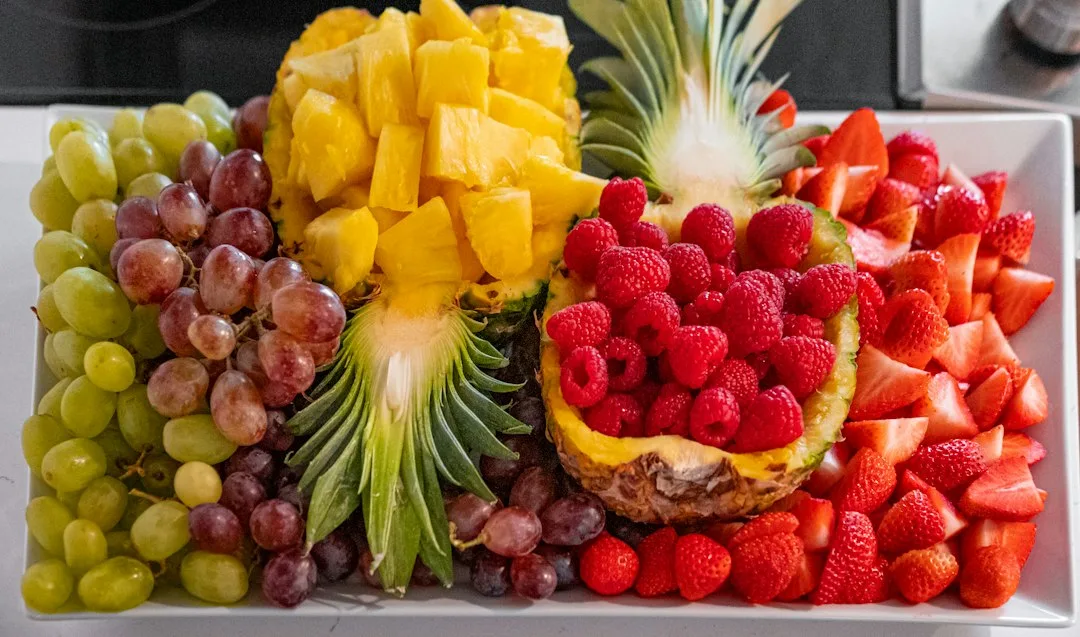
Photo note: the accompanying stock photographs show fruit platter inspiration, not the exact assembled turkey design. Follow the step-by-step arrangement instructions below for the turkey shape.
Recipe Snapshot
Primary keyword: pear and grape fruit turkey platter. Prep: about 25–35 minutes. Cooking: none. Servings: 8–10 as a snack. Occasion: Thanksgiving.
Ingredients
- 1 large firm Anjou or Bosc pear for the body
- 3 cups seedless red and green grapes, prepared safely for the guests
- 2 kiwi fruits, peeled and cut into thin half-moons
- 2 crisp apples, cored and sliced
- 1 cup raspberries
- 1 cup blackberries
- 2 mandarins, peeled and sectioned
- 1 tablespoon fresh lemon juice in 1 cup water
- Soft fruit pieces for the beak and a little yogurt for eyes
How to Make a Thanksgiving Fruit Turkey
- Select a wide serving platter and plan where the pear body and feather fan will sit.
- Wash and thoroughly dry all fruit. Slice apples and dip briefly in lemon water, then drain.
- Create the outer feather arc with overlapping mandarin segments and apple wedges.
- Build two colorful inner arcs using grapes, kiwi, raspberries and blackberries. Keep the rows shallow and even.
- Cut the pear in half lengthwise and position the flat side against the platter near the base of the fan.
- Create the face from small soft edible fruit pieces. Do not hide sharp picks in the platter.
- Cover and refrigerate until serving. For young children, quarter grapes lengthwise and modify other round or hard foods as appropriate.
Choosing Fruit That Holds Its Shape
A decorative fruit platter looks best when the ingredients are ripe enough to taste good but firm enough to handle. Choose pears without bruises, apples that feel crisp, grapes attached to fresh-looking stems and berries that are dry and intact. Soft, leaking fruit can stain neighboring slices and cause the arrangement to slide. Buy delicate berries close to serving day. Keep everything refrigerated until preparation, and discard fruit with mold or obvious damage. The turkey design should be built from food you would happily serve on an ordinary fruit plate, not just fruit that looks colorful in a photograph.
Washing and Drying Produce
Wash hands and clean your cutting board before handling fruit. Rinse whole fruit under running water before peeling or slicing, including pears, apples and citrus. Use a clean colander for grapes and berries, handling delicate fruit gently. Do not wash berries hours in advance unless you can dry them very thoroughly, because trapped moisture makes them deteriorate faster. Pat produce dry with clean paper towels and let any excess water drain away. Dry surfaces help the fruit fan remain neatly arranged instead of becoming a slippery puddle on the serving tray.
Keeping Apples and Pears from Browning
Cut apples and pears tend to turn brown when their surfaces are exposed to oxygen. A brief dip in a mixture of one cup cold water and two tablespoons lemon juice can slow that process. Drain and pat the slices dry before arranging them. The fruit will still change color eventually, so cut it as close to serving time as practical. If guests dislike lemon flavor, use a smaller amount or choose naturally slower-browning varieties. Avoid soaking the fruit for a long time because it may lose crispness and dilute its fresh flavor.
How to Create a Turkey Tail Fan
The signature feature is a broad semicircle of colorful fruit behind the turkey body. Begin with the outermost arc and work toward the center. Place orange segments, apple slices or grapes around the edge, then fill the next arcs with kiwi, strawberries and berries. Keep the spacing consistent, but do not worry if every piece is not identical. Slight overlap helps the pattern look full. Work on the actual serving platter rather than assembling on a cutting board and trying to transfer the design later. Once the fan is complete, add the pear body near the center front.
Making a Stable Pear Body
Choose a pear with a rounded lower half and a narrow neck, which naturally resembles a small turkey. Cut the pear lengthwise and lay one half flat-side down so it cannot roll. If the pear is tall or uneven, trim a tiny sliver from the underside to make a stable base. Place it in front of the fruit fan rather than on top of loose grapes. Make the face with soft edible pieces that can be removed easily. Avoid hidden toothpicks in food intended for children, and tell guests clearly if any decorative picks are used.
Color and Texture Balance
A platter becomes more attractive when colors alternate rather than forming one large block of the same shade. Red strawberries and grapes contrast with green kiwi, orange citrus and dark blueberries. Texture matters too: crisp apples, juicy grapes and tender berries make the finished tray interesting to eat. Try to keep very wet fruit away from apple slices that need to stay crisp. Use the most vivid pieces along the outer edge where guests can see them. The arrangement does not need exotic ingredients; familiar grocery-store fruit can produce a striking holiday centerpiece.
Serving Fruit Safely to Young Children
Whole grapes are a choking hazard for babies and young children. For young children, cut grapes lengthwise into quarters and prepare other fruit in developmentally appropriate pieces. Hard apple chunks may also need to be thinly sliced or softened for younger eaters. Blueberries and other small round foods may require modification based on a child’s age and eating skills. Do not place toothpicks or small hard decorations in children’s portions. Supervise young children while eating and follow age-appropriate feeding guidance. A decorative platter can be adapted for safety without losing its festive colors.
Making the Platter Ahead
The easiest make-ahead strategy is to wash sturdy fruit, dry it thoroughly and prepare a clean serving platter the day before. Keep cut fruit refrigerated in separate covered containers so flavors and juices do not mix. Slice apples, pears and bananas shortly before arranging because they brown or soften quickly. The decorative assembly itself is best completed close to serving time. If you must assemble earlier, cover the platter carefully without crushing the fruit and refrigerate it. Add fragile berries and final face details at the end.
Preventing a Watery Fruit Tray
Moisture is the most common reason fruit arrangements lose their shape. Drain citrus segments and grapes after washing, pat kiwi slices dry and avoid piling freshly cut melon on top of the pear body. A shallow rimmed platter can catch juices without making the display look like a bowl of fruit salad. If you prepare fruit in advance, store especially juicy items separately. Do not pour sweet syrup or dressing over the finished turkey; it will blur the colorful feather pattern. Offer yogurt dip in a separate bowl instead.
A Simple Yogurt Dip
A small bowl of dip makes the platter feel like a complete snack. Stir one cup plain Greek yogurt with one or two teaspoons of maple syrup and a little vanilla extract. Taste and adjust sweetness to suit the fruit. Keep the dip chilled and serve it in a separate bowl beside the platter, not in the middle of the decorative fan. For guests who avoid dairy, offer a suitable plant-based yogurt alternative. Label any dip containing allergens, and provide a clean spoon so guests do not need to reach into the bowl with fruit.
Budget-Friendly Shopping Tips
Seasonal availability varies, so choose affordable fruit that provides a range of colors. Apples, oranges and grapes often form a practical base, while one small package of berries can supply bright accents. Frozen fruit is generally too soft once thawed to hold a precise fan shape, so save it for smoothies or sauces. Buy just enough for the platter size and the number of guests. You can make a smaller turkey on a dinner plate instead of a large serving tray. The visual effect depends more on careful arrangement than on expensive specialty fruit.
Transporting the Platter
If you are bringing the fruit turkey to another home, choose a tray with a snug lid and enough clearance above the arrangement. A shallow container with a nonslip mat underneath helps keep it level during transport. Keep the fruit cold using an insulated carrier and ice packs, without placing melting ice directly on the food. For a longer journey, carry cut fruit in separate containers and assemble at the destination. Avoid balancing a completed tray on a car seat where it can tip. Add delicate face details after arriving.
How Long It Can Stay on the Table
Cut fruit is perishable and should not sit at room temperature indefinitely. Keep it refrigerated at 40°F (4°C) or below until serving, and return leftovers to the refrigerator within two hours, or within one hour when the environment is above 90°F (32°C). If the platter is part of a long buffet, bring out smaller portions and replenish them from chilled containers. Discard food that has been left out too long. These simple habits are especially useful at busy holiday gatherings when people graze throughout the afternoon.
Storing Leftovers
Remove fruit from the decorative platter with clean utensils and place it in shallow covered containers. Refrigerate promptly and aim to enjoy it soon while the texture is still appealing. Store softer berries separately from crisp apples when possible. Leftover fruit can become a breakfast yogurt bowl, smoothie or quick fruit salad. Discard pieces that have been handled extensively, left warm too long or developed an off smell. The decorative arrangement may not survive storage, but the fruit can still be delicious when handled safely.
Common Assembly Mistakes
Do not start with the pear body before you have planned the size of the fan; otherwise the outer rows may not fit. Avoid mixing very large and tiny pieces in the same arc, which makes the pattern look uneven. Dry the fruit so it does not slide, and leave a little space at the edge for guests to pick up pieces. Do not hide sharp picks under the fruit. Most importantly, do not sacrifice food safety for decoration. The finished platter should be easy to serve and pleasant to eat.
Easy Variations for Different Holidays
The same method works beyond Thanksgiving. For a fall birthday, choose red and orange fruit for a warm seasonal palette. For a winter gathering, combine kiwi, green grapes and strawberries for a festive contrast. A spring version can feature berries and mandarin segments, while summer platters may include fresh peaches and melon. Keep the pear body if you like the turkey shape, or arrange the fruit as a simple rainbow fan. Once you understand the layered layout, you can adapt the design to whatever is ripe and affordable.
How to Serve It with Thanksgiving Dinner
A fruit turkey works as a light appetizer, a brunch centerpiece or a refreshing dessert after a rich meal. Put it on a separate table from raw meat preparation and provide small plates or napkins for guests. Pair it with cheese and crackers for adults, or offer a chilled yogurt dip for children. Because the fruit is naturally sweet, you do not need a sugary glaze. The bright colors also make the holiday spread more welcoming for guests who prefer lighter options.
Making It Look Good in Photos
Place the platter near a window with soft natural light and photograph it before guests begin serving. Shoot directly overhead to show the semicircular feather pattern clearly. Keep the background simple so the fruit colors stand out. A neutral cloth or wooden table often works better than a busy printed surface. Wipe stray juice from the platter edge and adjust any pieces that shifted during assembly. Take a second close-up photo of the pear face and fruit layers to illustrate the technique in a recipe post.
Scaling for a Crowd
For a small family, use one pear, a handful of grapes, one apple, one kiwi and a few berries on a dinner plate. For a large gathering, increase the fruit and use a broad platter, but keep the layers shallow so people can serve themselves. Consider making two smaller turkey platters rather than one very large one. This allows you to keep one refrigerated until needed and makes the display easier to transport. Choose fruit based on the number of guests rather than filling every available inch of the tray.
Frequently Asked Questions
Are toothpicks safe in a decorative fruit turkey?
Avoid hidden toothpicks, especially if children may eat the fruit. Use a stable pear half and edible details instead.
Which fruit stays firm on a party tray?
Crisp apples, firm pears, grapes, mandarins and kiwi hold their shape better than very ripe soft fruit.
How should I store leftovers?
Refrigerate promptly in shallow covered containers, separating delicate berries when possible.
Can I transport a fruit turkey platter?
Yes. Use a covered level tray in a chilled carrier, or transport fruit separately and assemble at the destination.
Can I use frozen fruit?
Thawed frozen fruit is usually too soft and wet for precise feather rows. Fresh fruit works best.
Quick Recipe Card
Pear and Grape Thanksgiving Fruit Turkey Platter: Festive Holiday Centerpiece — no-cook Thanksgiving fruit arrangement, about 30 minutes of preparation, serving 8–10 as part of a holiday spread.
Ingredients Checklist
- 1 large firm Anjou or Bosc pear for the body
- 3 cups seedless red and green grapes, prepared safely for the guests
- 2 kiwi fruits, peeled and cut into thin half-moons
- 2 crisp apples, cored and sliced
- 1 cup raspberries
- 1 cup blackberries
- 2 mandarins, peeled and sectioned
- 1 tablespoon fresh lemon juice in 1 cup water
- Soft fruit pieces for the beak and a little yogurt for eyes
Directions at a Glance
- Select a wide serving platter and plan where the pear body and feather fan will sit.
- Wash and thoroughly dry all fruit. Slice apples and dip briefly in lemon water, then drain.
- Create the outer feather arc with overlapping mandarin segments and apple wedges.
- Build two colorful inner arcs using grapes, kiwi, raspberries and blackberries. Keep the rows shallow and even.
- Cut the pear in half lengthwise and position the flat side against the platter near the base of the fan.
- Create the face from small soft edible fruit pieces. Do not hide sharp picks in the platter.
- Cover and refrigerate until serving. For young children, quarter grapes lengthwise and modify other round or hard foods as appropriate.
Final Thoughts
This pear and grape Thanksgiving fruit turkey platter turns a simple fruit tray into an eye-catching edible holiday centerpiece. A halved pear forms the turkey body while colorful rows of grapes, kiwi, apple slices and berries create the tail feathers. It is a fun make-ahead-friendly option for hosts who want a fresh dish alongside rich Thanksgiving favorites. The best results come from clean, dry fruit, a stable pear body and a colorful semicircular fan. Refrigerate until serving, prepare fruit appropriately for young children and enjoy this playful holiday tradition with family and friends.
You might also like these recipes
Pear and Grape Thanksgiving Fruit Turkey Platter: Festive Holiday Centerpiece
Juicy Herb Roasted Turkey Breast: Easy Thanksgiving Dinner
Maple Roasted Thanksgiving Vegetables: Easy Holiday Sheet Pan Side