
Easy fall dinner recipes are most useful when they answer a practical question: what can I cook with the time and ingredients I have tonight? These eighteen dinner ideas cover soups, trays, pasta, bowls, and family-friendly skillets, giving you several starting points without turning meal planning into another large project.
The collection favors recognizable ingredients such as beans, chicken, potatoes, squash, rice, and pasta. Autumn flavor comes from roasted edges, warm broth, apples, mushrooms, and herbs rather than from making every dish sweet or heavily spiced. A simple vegetable side can finish most of these meals.
Each entry is a recipe idea with a short method overview and useful adaptation notes. It is not a substitute for a complete measured recipe where one is needed; the related section provides existing site recipes for that purpose. Pick two familiar choices and one new combination for the week, then build your grocery list around ingredients shared by those meals.
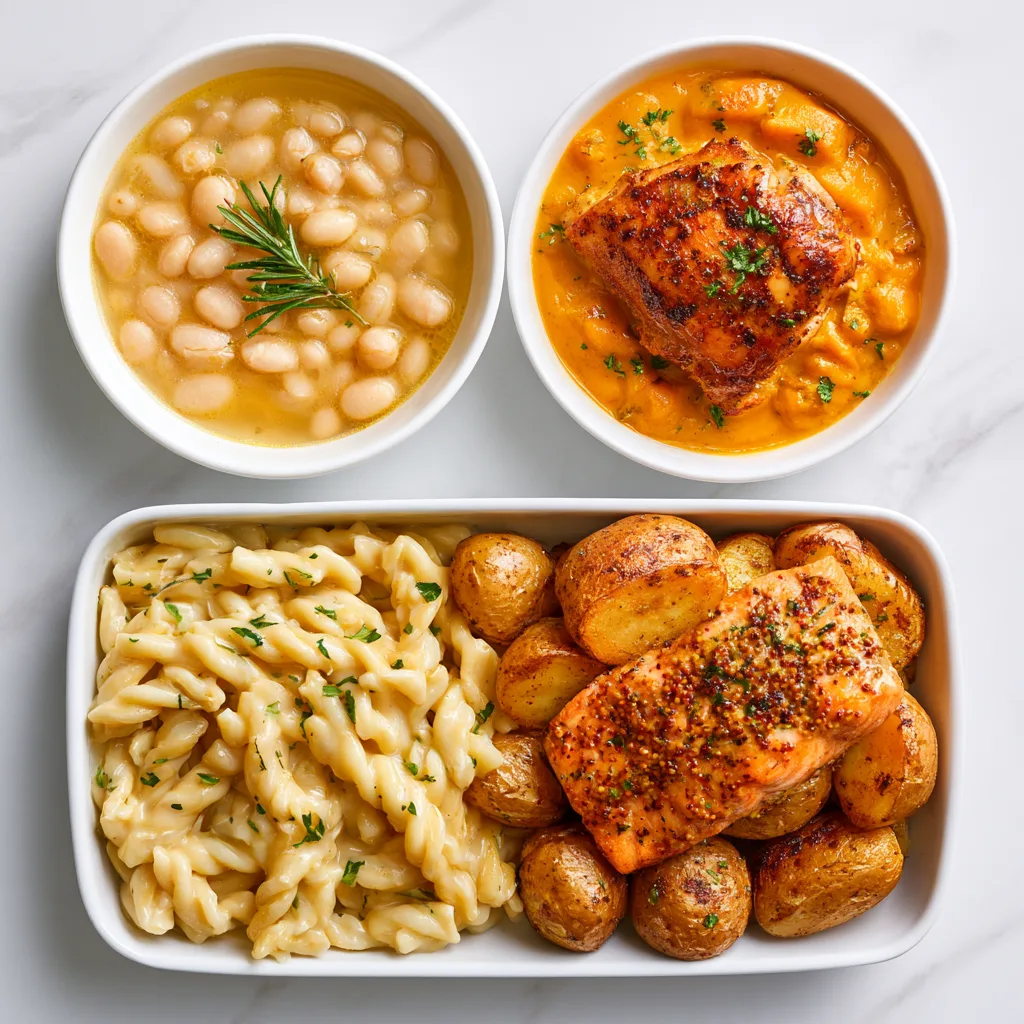
Choose your fall dinner
1. Chicken squash coconut soup
Blend tender butternut squash with broth and coconut milk, then add shredded chicken for a more substantial soup. Cook the squash fully before blending, and use an immersion blender or follow your blender’s directions for processing hot liquids safely. Ginger, lime, and a small pinch of curry powder complement the squash.
2. White bean rosemary soup
Simmer white beans with onion, carrots, broth, and rosemary for a simple pantry soup suited to chilly evenings. Blend a small portion of the soup or mash some beans to thicken it while keeping plenty of texture. Finish with lemon and olive oil, then serve with toast.
3. Sausage kale potato soup
Simmer potatoes in onion garlic broth, add fully cooked sausage, and finish with chopped kale for a hearty autumn soup. Slice the potatoes evenly and add the kale once they are nearly tender so the greens keep some structure. A splash of cream is optional.
4. White bean pesto toast
Warm white beans with garlic and a spoonful of pesto, then pile onto thick toast for an inexpensive pantry supper. Mash some beans lightly so the topping stays together rather than rolling off the bread. Serve with roasted tomatoes or a green salad. Toast the bread firmly and assemble just before eating, keeping extra bean mixture separate from the bread for tomorrow’s lunch.
5. Creamy pumpkin chicken pasta
Stir plain pumpkin puree into a garlic sauce, then fold in cooked pasta, chicken, and spinach for an easy seasonal dinner. Use unsweetened pumpkin rather than pie filling, and loosen the sauce with reserved pasta water until it coats the noodles without becoming heavy. Parmesan and black pepper provide enough savory contrast to keep the dish from tasting sweet.
6. Chicken mushroom stuffed peppers
Fill bell peppers with cooked chicken, rice, mushrooms, and a little cheese, then bake until the peppers soften. Pre-cook the filling and moisten it with broth or tomato sauce so it does not dry out inside the peppers. Slice large peppers lengthwise for portions that are easier to fill and serve.
7. Salmon mustard potato tray
Roast small potato wedges, then add salmon portions and green beans for the final stage of a simple sheet pan meal. Potatoes need a substantial head start because the fish finishes much sooner. Brush the salmon with Dijon and a little oil, then serve with lemon.
8. Spinach ricotta skillet pasta
Toss cooked short pasta with sautéed spinach, ricotta, lemon zest, and a small amount of pasta water for a gentle creamy supper. Add ricotta off the heat or over very low heat, stirring until the mixture coats the noodles. Roasted tomatoes or mushrooms provide extra flavor.
9. Turkey cabbage rice soup
Simmer ground turkey, chopped cabbage, tomatoes, and cooked rice in broth for a hearty soup inspired by stuffed cabbage. Brown the turkey first and allow the cabbage to soften before adding cooked rice near the end. Paprika and parsley make useful seasonings. Store extra rice separately when possible because it absorbs broth overnight, then add it to individual portions as they reheat.
10. Chicken sausage gnocchi skillet
Brown labeled fully cooked chicken sausage with mushrooms, then add shelf-stable gnocchi and broth for an easy skillet dinner. Check the gnocchi package because some varieties need boiling while others can cook directly in a skillet with measured liquid. Stir in kale and a spoonful of cream after the gnocchi softens.
11. Red lentil tomato soup
Cook red lentils with tomatoes, carrots, and cumin until the lentils soften into a naturally thick, comforting soup. Stir occasionally and add broth as needed because red lentils can settle against the base of the pot. Lemon juice and parsley bring freshness at the end.
12. Roasted cauliflower chickpea bowls
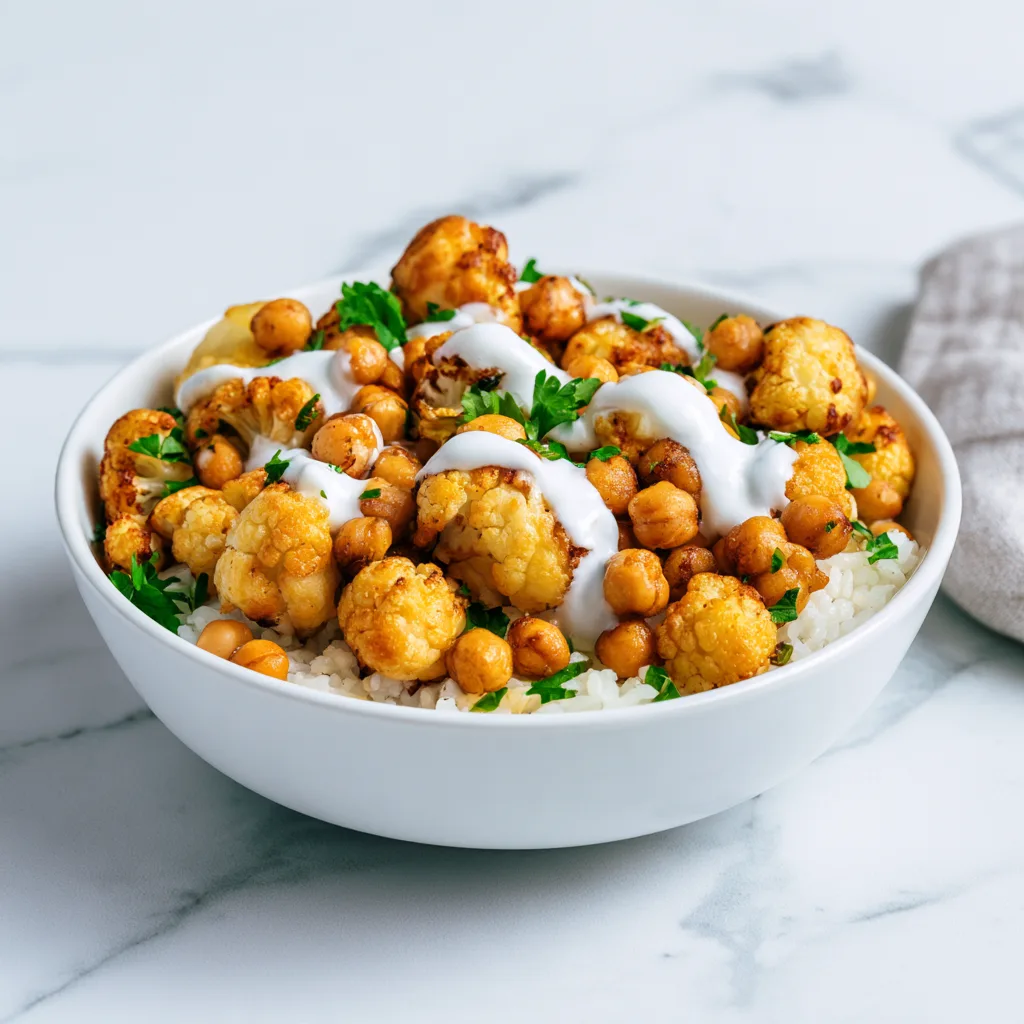
Roast cauliflower florets and well-dried chickpeas with paprika, then serve over rice with a lemon yogurt dressing. Use plenty of space on the pan so both components brown instead of steaming. Cucumber, parsley, or shredded cabbage brings crunch at serving. Mix the dressing while the vegetables roast and keep it separate from leftovers so the cauliflower can reheat without soaking in yogurt.
13. Sweet potato spinach egg hash
Cook small sweet potato cubes with onions, fold in spinach, and add eggs for a colorful skillet dinner. Cover briefly with a splash of water if the potatoes need help softening, then uncover to let their surfaces dry and brown. Offer salsa or yogurt at the table.
14. Chicken broccoli rice skillet
Turn cooked rice, bite-size chicken, and broccoli into a one-skillet supper with a light broth-based sauce. Cook the chicken first, then steam the broccoli briefly with a splash of broth before adding rice, so the vegetables stay bright and the grains warm evenly. A little grated cheddar can finish the skillet without needing a separate cheese sauce.
15. Chicken sage butter noodles
Toss cooked egg noodles with chicken, sautéed squash, and butter gently scented with sage for a simple autumn dinner. Add a splash of noodle cooking water to help the butter spread evenly rather than pooling in the bottom of the bowl. Finish with Parmesan and black pepper, keeping the sage moderate.
16. Garlic shrimp tomato rice
Sauté shrimp with garlic and tomatoes, then serve over hot cooked rice for a fast dinner on busy evenings. Prepare the rice first and add shrimp only after the tomato mixture is ready, since shrimp cook quickly. Parsley and lemon keep the bowl lively. Use thawed, drained shrimp and pat them dry before cooking so they sear more effectively instead of releasing excess water.
17. Sausage pepper tomato rice
Cook onions and peppers with sliced fully cooked sausage, then combine with tomato sauce and hot rice for a quick skillet meal. Let the vegetables soften before adding the sauce so they retain flavor without tasting raw. A little smoked paprika complements the sausage. Use leftover refrigerated rice for convenience, reheating it thoroughly with the other ingredients and adding broth if the pan becomes dry.
18. Lemon chicken and barley soup
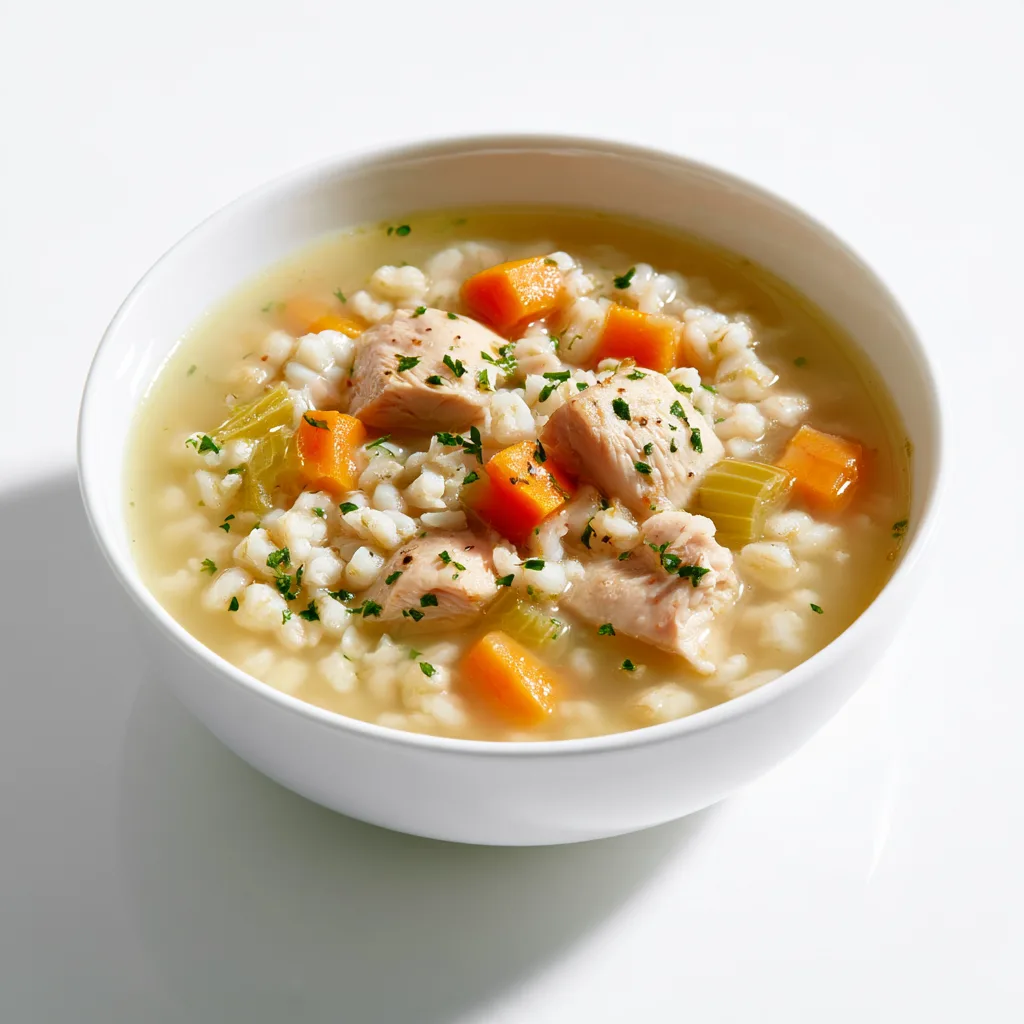
Simmer chicken, carrots, celery, and pearl barley in broth, then finish with lemon for a cozy bowl that still tastes bright. Cook the barley until tender before shredding the chicken; it needs considerably longer than small pasta, so this is a useful dinner for a quieter evening. Add extra broth when reheating because the grains continue absorbing liquid, and serve with parsley and a slice of toast.
Make a varied eighteen-dinner rotation
Choose a combination of bean meals, chicken meals, pasta, and eggs rather than placing every creamy dish into the same week. A tomato-based dinner can follow a richer bake, and a roasted tray can follow a soup night. Write the main vegetable beside each meal so you can see where a shopping ingredient appears twice. Keep one easy pantry option available for a schedule change, and move a planned meal to another evening if its fresh ingredients are still in good condition.
Make-ahead and leftovers
Prepare only the components you know you will use. Refrigerate cooked food promptly in shallow containers rather than leaving a large pot on the counter to cool completely. Keep fresh herbs, crisp vegetables, bread, and sauces separate when their texture matters. Most cooked leftovers should be used within three to four days under proper refrigeration; freeze earlier when you do not expect to finish them. Reheat cooked leftovers thoroughly, using a thermometer when practical, and discard food whose storage history is uncertain. Changes in smell alone cannot confirm that a meal is safe.
18 Easy Fall Dinner Recipes for Weeknight Meals
By Raelynn
Choose warming soups, roasted trays, pasta bowls, and family-friendly skillets for your weekly dinner rotation.
Choose your fall dinners
Questions to ask before choosing a meal
What if I only have frozen vegetables?
Frozen vegetables can be useful, but choose their cooking method carefully. Add frozen peas or chopped greens directly to a simmering soup when appropriate. For roasting, expect extra moisture and allow more pan space; a frozen vegetable will not always brown like a fresh one. If a package gives specific preparation directions, follow those rather than applying the fresh vegetable timing automatically. In bowls and pasta, cook off excess moisture before adding a sauce so the finished meal does not become diluted.
How can I make dinner more filling?
Look at the whole plate before adding more of the richest ingredient. Beans, eggs, chicken, tofu, potatoes, and grains can contribute substance in different ways. A vegetable soup may benefit from white beans and toast, while a pasta dish may already have enough starch and simply need a vegetable or protein component. Adjust the serving size to the people eating and avoid describing a dish as high-protein or low-calorie without an actual nutrition calculation based on measured ingredients.
Can these ideas work for dietary needs?
Treat substitutions as ingredient decisions, not automatic guarantees. Gluten-free pasta needs its own package cooking directions, ordinary soy sauce may contain wheat, and sausage can include unexpected allergens. Cheese tortellini generally contains both wheat and dairy. Check every relevant label when cooking for someone with an allergy or restriction, and use separate clean equipment when required. For a vegetarian dinner, replace meat and meat broth together; removing the visible meat alone may leave other animal ingredients in the sauce.
How do I keep seasonal cooking practical?
Use seasonal ingredients where they improve the meal, but keep ordinary pantry food in the plan. Squash, cabbage, carrots, mushrooms, and apples can support several dinners without requiring every ingredient to be locally seasonal. Buy the quantity you can store and use, and switch to frozen or canned alternatives when they are more convenient. A reliable menu comes from knowing how ingredients cook and keeping the shopping list manageable, rather than collecting specialty products for a single autumn recipe.
Complete recipes to explore
For complete ingredient lists and detailed methods, explore Creamy tomato white bean tortellini soup, Apple sausage and cabbage skillet, Sheet pan balsamic chicken and pears. Choose the recipe that matches your available cooking time, and check the ingredient list before adding it to your weekly shopping plan.
You might also like these recipes
18 Easy Fall Dinner Recipes for Weeknight Meals
Easy Autumn Chicken Tortellini with Butternut Squash & Brussels Sprouts
Lemon Dill Chicken Orzo with Spinach – Easy One-Pot Dinner