
Low-calorie high-protein meals are your secret weapon for feeling fuller longer, boosting energy, and keeping calories in check. Whether you’re aiming to manage weight, eat cleaner, or just stop feeling hungry an hour after lunch, you’re in the right place. In this guide, you’ll find easy, satisfying recipes that deliver big flavor and smart nutrition. We’ll also cover weekly meal planning tips, macro breakdowns, and prep strategies that fit real life. These aren’t fad-diet meals—they’re everyday dishes that nourish and satisfy. Ready to make healthy eating simple, delicious, and doable? Let’s dig in.
Table of Contents
Table of Contents
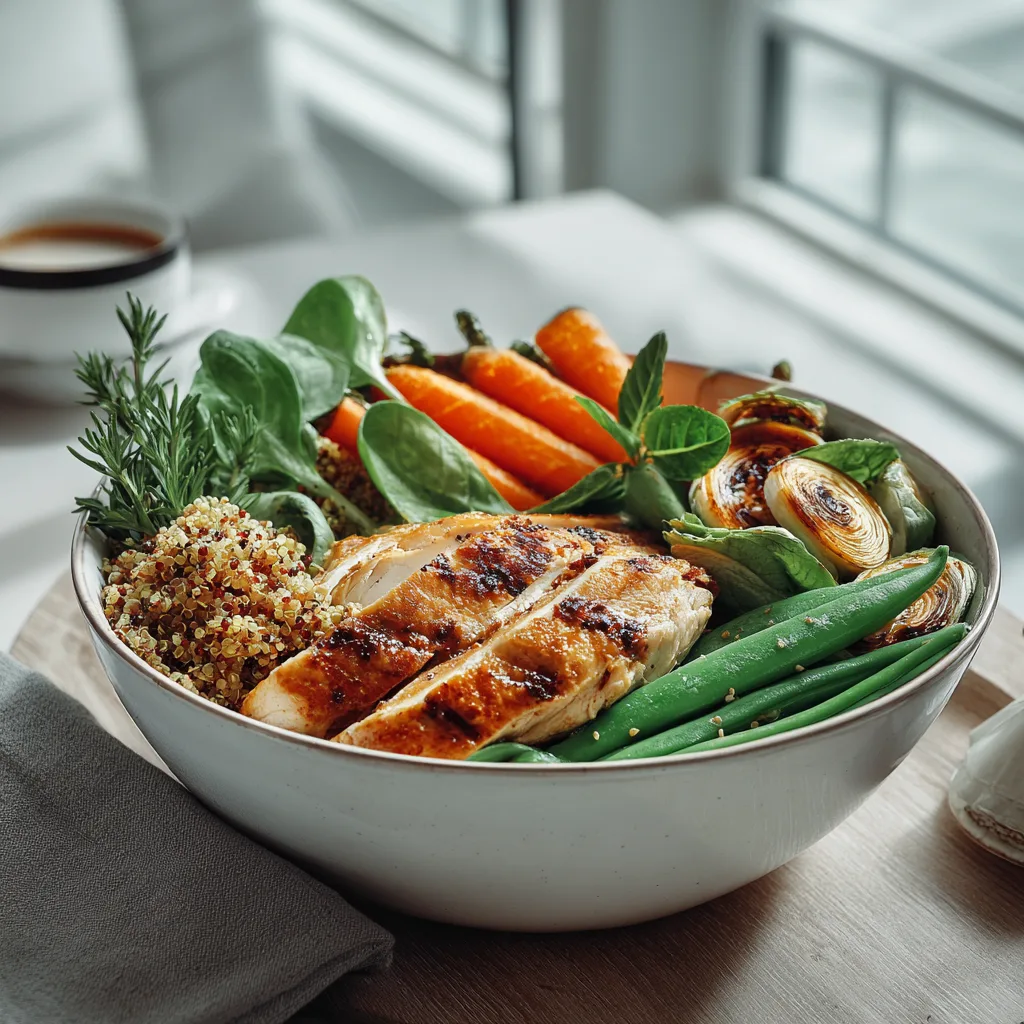
Why Low-Calorie High-Protein Meals Matter
The science behind low-calorie high-protein meals
I first realized the power of low-calorie high-protein meals during a cold Minnesota winter. I was stuck in a cycle of light eating that left me hungry again an hour later. But once I began building my meals around lean proteins like grilled chicken, cottage cheese, and egg whites, everything changed. I had more energy, fewer cravings, and surprisingly, I wasn’t constantly watching the clock until my next snack.
Here’s why it works: protein takes longer to digest, helping you feel fuller longer. It also requires more energy to break down, which means you burn more calories during digestion. Combined with fiber-rich vegetables or light carbs, low-calorie high-protein meals keep you satisfied without the energy crashes that often follow carb-heavy dishes.
To stay under 400 calories while hitting a high protein target, think strategically. Pair lean meats or dairy with low-starch veggies and heart-healthy fats in moderation. It’s not about eating less—it’s about eating smarter. And yes, it can still taste amazing.
Want a great example? Try this comforting twist on a classic: Chicken Cordon Bleu Meatloaf. It’s packed with protein and flavor but fits beautifully into a balanced meal plan.
The benefits beyond the scale
The benefits of low-calorie high-protein meals go far beyond weight loss. They support muscle maintenance, aid in blood sugar control, and reduce late-night cravings. High-protein diets are also linked to reduced levels of ghrelin (the hunger hormone), helping you feel more in control of your appetite.
These meals also support long-term wellness goals. If you’re managing inflammation or stress, protein-rich foods can stabilize mood and hormones. Pairing meals with the right nutrients—like in this rejuvenating Cortisol Cocktail—can help your body thrive, not just survive.
Whether your goal is weight management, muscle support, or simply better daily energy, low-calorie high-protein meals offer a solid, science-backed foundation. And once you start enjoying how delicious and satisfying these meals can be, you’ll never go back.
Print
Low-Calorie High-Protein Meals: hearty turkey chili is the perfect low-calorie high-protein meal
- Total Time: 50 minutes
- Yield: 6 servings 1x
Description
This hearty turkey chili is the perfect low-calorie high-protein meal. Packed with lean ground turkey, fiber-rich beans, and vibrant vegetables, it’s full of flavor and warmth without the guilt. Ideal for meal prep and weeknight dinners.
Ingredients
- 2 teaspoons olive oil
- 1 yellow onion, chopped
- 3 garlic cloves, minced
- 1 medium red bell pepper, chopped
- 1 pound extra lean ground turkey or chicken (99%)
- 4 tablespoons chili powder* (see note)
- 2 teaspoons ground cumin
- 1 teaspoon dried oregano
- 1/4 teaspoon cayenne pepper
- 1/2 teaspoon salt, plus more to taste
- 1 (28-ounce) can diced tomatoes or crushed tomatoes
- 1 1/4 cups chicken broth
- 2 (15 oz) cans dark red kidney beans, rinsed and drained
- 1 (15 oz) can sweet corn, rinsed and drained
- Optional toppings: cheese, avocado, tortilla chips, cilantro, sour cream
Instructions
1. Place oil in a large pot and place over medium high heat. Add in onion, garlic and red pepper and saute for 5-7 minutes, stirring frequently.
2. Add in ground turkey and break up the meat; cook until no longer pink. Next add in chili powder, cumin, oregano, cayenne pepper and salt; stir for about 20 seconds.
3. Add in tomatoes, chicken broth, kidney beans and corn. Bring to a boil, then reduce heat and simmer for 30-45 minutes or until chili thickens and flavors come together. Taste and adjust seasoning as needed.
4. Garnish with cheese, avocado, chips, or sour cream as desired. Serve hot.
Notes
*Chili powder note: McCormick brand is recommended for mild heat. If using another brand, start with 2 tablespoons and adjust to taste. This chili is even better the next day. Refrigerates well for up to 4 days or freezes for 2 months.
- Prep Time: 10 minutes
- Cook Time: 40 minutes
- Category: Dinner
- Method: Stovetop
- Cuisine: American
Nutrition
- Serving Size: 1.5 cups
- Calories: 375
- Sugar: 6g
- Sodium: 620mg
- Fat: 9g
- Saturated Fat: 2g
- Unsaturated Fat: 6g
- Trans Fat: 0g
- Carbohydrates: 38g
- Fiber: 10g
- Protein: 31g
- Cholesterol: 60mg
Weekly Meal Planning for High-Protein Success
How to plan low-calorie high-protein meals in advance
Planning your week around low-calorie high-protein meals is one of the easiest ways to stay on track—especially when life gets busy. If your fridge is already stocked with cooked chicken breast, chopped veggies, or ready-to-blend smoothie bags, you’re far less likely to reach for something quick but unhealthy.
Start with this simple strategy:
- Choose 2–3 proteins for the week (like ground turkey, canned tuna, cottage cheese)
- Add 3–4 veggies (frozen spinach, zucchini, broccoli, bell peppers)
- Include healthy carbs in moderation (quinoa, sweet potatoes, or lentils)
- Prep 1 or 2 sauces or dressings (like Greek yogurt ranch or tahini lemon)
Batch-cooking proteins and chopping your vegetables in one go can save hours during the week. You’ll thank yourself when all that’s left to do is toss, heat, or plate.
Want to switch things up? Try a recipe like Cottage Cheese Keto Pancakes—they’re light, packed with protein, and perfect for breakfast meal prep.
Sample 7-day meal plan with calorie + protein targets
Here’s a quick sample meal plan built around high protein and low calories, designed to keep you full without feeling restricted.
| Day | Meal | Calories | Protein (g) |
|---|---|---|---|
| Monday | Greek yogurt with berries + chia | 280 | 24g |
| Tuesday | Egg white veggie scramble with toast | 320 | 28g |
| Wednesday | Shrimp stir fry with cauliflower rice | 390 | 32g |
| Thursday | Turkey lettuce wraps with hummus | 350 | 30g |
| Friday | Cottage cheese + flaxseed + banana | 300 | 26g |
| Saturday | Baked salmon with asparagus | 390 | 34g |
| Sunday | Protein smoothie with almond butter | 370 | 29g |
You can mix and match or double up portions if needed, depending on your goals. The goal here is consistency—not perfection.
Keep a few fallback recipes handy for busy nights. This comforting Easy Chicken Pot Pie keeps it hearty while still balanced when portioned properly.
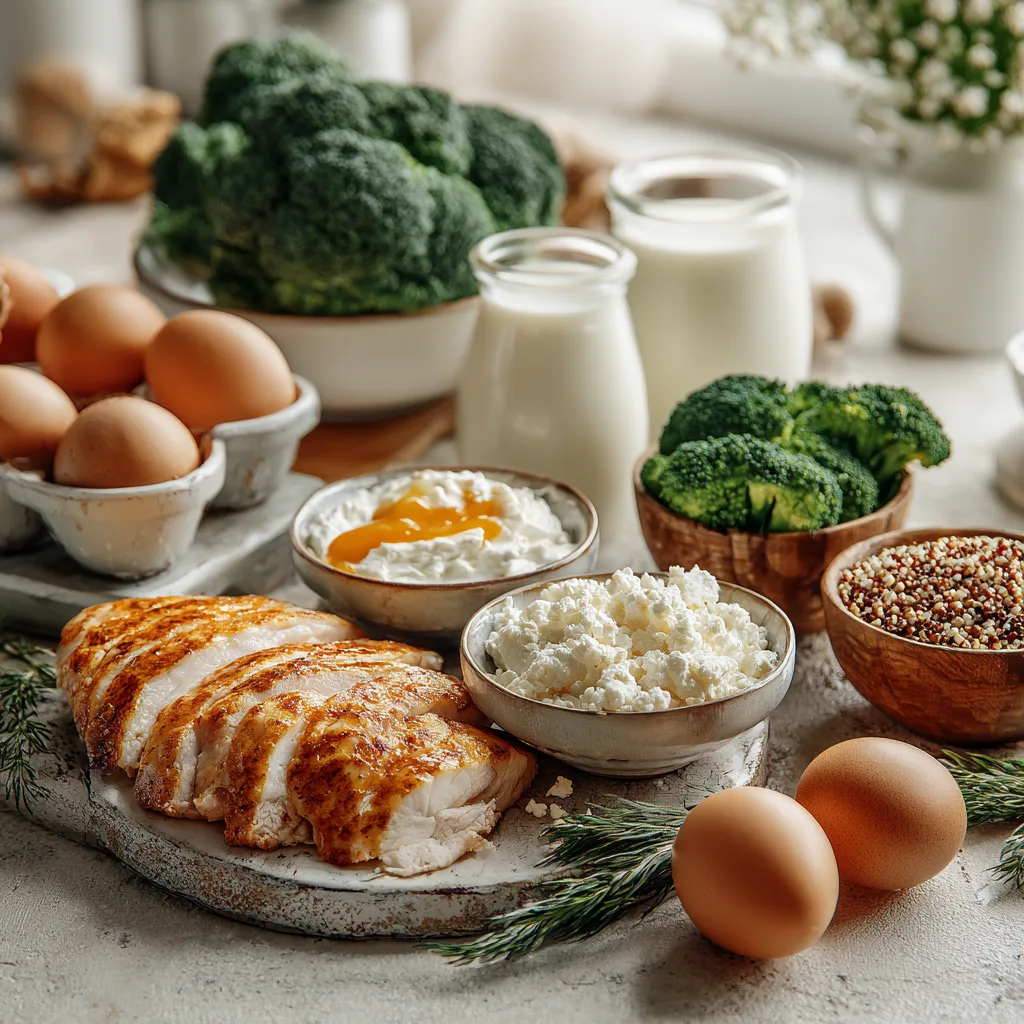
Best Low-Calorie High-Protein Meals Under 400 Calories
Quick and filling recipes you can make in under 30 minutes
When you think of low-calorie high-protein meals, you might picture plain chicken and steamed broccoli. Let’s break that myth. These meals can be vibrant, flavorful, and seriously satisfying—all while staying under 400 calories.
Quick is key here. Most of these recipes come together in 30 minutes or less, making them ideal for weeknights or meal prep.
Here are some go-to ideas:
- Shrimp & veggie stir fry: Toss shrimp, broccoli, and bell peppers in coconut aminos. Serve over riced cauliflower.
325 calories / 30g protein - Turkey chili bowl: Lean ground turkey, black beans, tomatoes, and spices simmered together.
380 calories / 34g protein - Grilled chicken with zucchini noodles: Top with lemon and herbs. Light, bright, and done in 20 minutes.
340 calories / 35g protein - Cottage cheese egg bake: High in protein and easy to slice for the week.
Try this Baked Cottage Cheese Eggs Recipe
370 calories / 32g protein
Each of these combines lean protein, fiber-rich veggies, and just enough healthy fat to keep you full without going overboard.
Smart substitutions to keep calories low and protein high
Small changes make a big difference. You can boost protein and slash calories without losing flavor. Here are some easy swaps to try in your favorite dishes:
| Swap This | For This | Why It Works |
|---|---|---|
| Sour cream | Non-fat Greek yogurt | Adds protein, cuts fat |
| White rice | Cauliflower rice or quinoa | Fewer carbs, more fiber |
| Heavy cream sauces | Cottage cheese or cashew cream | Lower fat, still creamy |
| Pasta | Zucchini noodles or lentil pasta | Fewer calories, higher protein & fiber |
| Ground beef (80/20) | Ground turkey or chicken | Leaner but still flavorful |
Try these in your next meal and you’ll see just how simple low-calorie high-protein meals can be.
Want to indulge smartly? Check out this creamy Cottage Cheese Chocolate Mousse for a high-protein dessert that feels like a treat but fits your macros.
These tweaks let you enjoy your favorites—just made lighter, leaner, and more supportive of your health goals.
Low-Calorie High-Protein Meals by Diet Type
Options for every lifestyle: vegan, keto, gluten-free, and more
Eating healthy shouldn’t feel limiting. The beauty of low-calorie high-protein meals is how flexible they are across different dietary needs. Whether you’re keto, vegan, gluten-free, or somewhere in between, you can still hit your protein goals and keep calories in check.
Let’s break it down:
Vegan or plant-based
- Tofu & veggie noodle bowl with tamari and sesame oil
- Lentil and spinach stew with fire-roasted tomatoes
- Chickpea “tuna” salad on lettuce wraps
Gluten-free
- Egg white veggie omelet with avocado on the side
- Baked salmon with roasted sweet potatoes
- Zucchini lasagna with lean turkey
Keto or low-carb
- Turkey lettuce wraps with mustard aioli
- Cottage cheese pancakes (low-carb, high-protein)
Try these Cottage Cheese Keto Pancakes - Tuna-stuffed avocado halves
Each of these meals stays under 400 calories and is naturally rich in protein, with the carbs and fats adjusted depending on the diet type. This makes it easy to customize your plate without compromising flavor or goals.
Easy swaps to adjust meals for your diet
With a few smart tweaks, you can turn almost any dish into something that fits your lifestyle. Here’s how:
| Diet Type | Swap This | For This |
|---|---|---|
| Vegan | Chicken, eggs, dairy | Lentils, tofu, tempeh, chickpeas |
| Gluten-Free | Pasta, flour, breadcrumbs | Zucchini noodles, almond flour |
| Keto | Beans, grains, fruit-heavy dishes | Fatty fish, cheese, leafy greens |
For example, swap the base of a chicken stir fry from rice to zucchini noodles, and you’ve got a keto-friendly version. Or turn that omelet into a vegan scramble using tofu.
Looking for inflammation-friendly options? This Anti-Inflammatory Meal Guide offers great high-protein ideas that align with whole-food diets and healing goals.
No matter your path, there’s a way to make low-calorie high-protein meals work for you—and still love what’s on your plate.
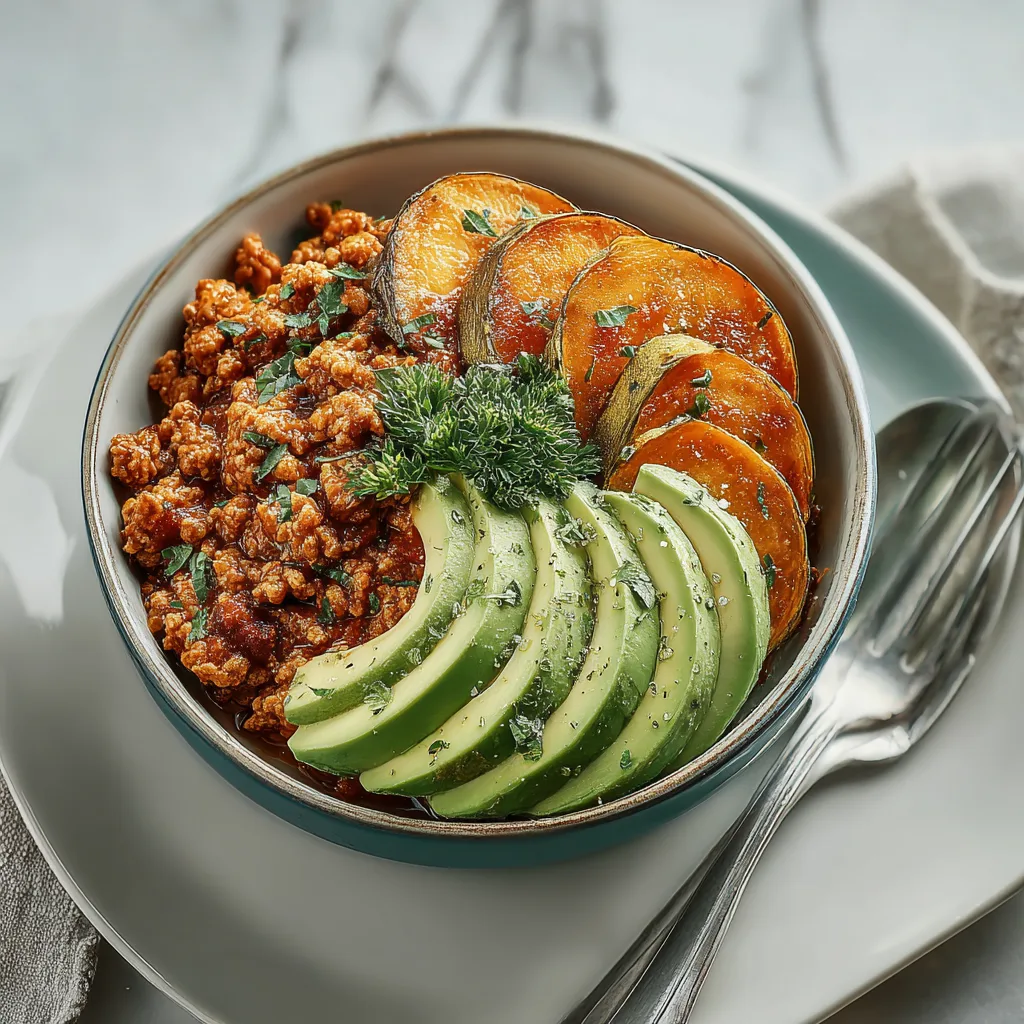
Meal Prep & Storage Tips for Low-Calorie High-Protein Meals
How to cook once and eat healthy all week
If there’s one strategy that makes sticking to low-calorie high-protein meals easier, it’s meal prep. Cooking in batches saves time, cuts down on food decisions, and keeps you from grabbing less nutritious options when you’re tired or busy.
Start simple:
- Pick two proteins: For example, chicken breast and ground turkey
- Choose three veggie sides: Like broccoli, peppers, and zucchini
- Add a protein-rich breakfast: Try a baked egg dish or high-protein pancakes
Roast everything on sheet pans or cook in large skillets. Then store your meals in portioned containers labeled by day. You’ll have lunch and dinner sorted for the next 3–5 days without thinking twice.
Want a cozy prep-ahead recipe? This Crock Pot Corned Beef is hearty, flavorful, and easy to portion out for weekday meals.
Proper storage and reheating for max freshness
Good prep is only half the battle—storage matters too. To keep your low-calorie high-protein meals fresh and safe, follow these tips:
- Use airtight containers: Glass or BPA-free plastic with tight lids
- Label and date everything: Helps you track freshness at a glance
- Store smart: Keep proteins separate from dressings or moisture-heavy ingredients to avoid sogginess
- Reheat safely: Use the stovetop or microwave until food reaches 165°F
Here’s a basic refrigeration guide for prepped meals:
| Food Type | Fridge Life | Freezer Life |
|---|---|---|
| Cooked chicken/turkey | 3–4 days | Up to 3 months |
| Roasted veggies | 3 days | Up to 2 months |
| Cooked grains/quinoa | 4–5 days | Up to 2 months |
| Egg bakes or muffins | 4 days | 1–2 months |
You can also freeze individual meals for grab-and-go convenience. Just make sure to thaw overnight in the fridge before reheating.
For breakfast prep, try this protein-packed Baked Cottage Cheese Eggs Recipe—it reheats beautifully and keeps you full for hours.
A little weekend effort can pay off all week long. Meal prepping your low-calorie high-protein meals gives you built-in momentum toward your goals—with far less stress.
Understanding Macros and Tracking Protein
How to balance macros in low-calorie high-protein meals
Macros—short for macronutrients—are the building blocks of every meal: protein, carbohydrates, and fats. When you’re focusing on low-calorie high-protein meals, you’re essentially fine-tuning your meals to give your body fuel without excess energy your body stores as fat.
Here’s a balanced macro split that works for most people trying to eat lean and stay full:
| Macro | % of Daily Calories | Why It Matters |
|---|---|---|
| Protein | 30–40% | Builds muscle, reduces hunger |
| Carbs | 30–40% | Fuels energy, supports recovery |
| Fat | 20–30% | Supports hormones, absorbs nutrients |
For example, if you’re eating 1,500 calories/day and aiming for 35% from protein, you’d want about 130g of protein. That’s the equivalent of:
- 1 cup cottage cheese = 28g
- 4 oz chicken breast = 35g
- 1 scoop protein powder = 20–25g
- 1 serving baked eggs = 20g
- Greek yogurt = 15–20g
Spread across your day, that’s totally doable—and filling.
Tools and tips to track your intake without stress
Tracking your macros doesn’t have to be complicated. These tools can make it easy to keep an eye on what you’re really eating:
- MyFitnessPal: Log meals, scan barcodes, and track your daily protein easily
- Cronometer: Offers detailed breakdowns and micronutrient tracking
- Pen and paper: Don’t underestimate a good old notebook if tech isn’t your thing
The goal isn’t to count every bite forever. It’s to build awareness—so you start naturally choosing meals that balance protein and calories.
If you ever feel low energy or unusually hungry, check your protein intake. Many people eat far less than they think. By front-loading your day with a protein-rich breakfast like Cottage Cheese Keto Pancakes, you start strong and stay fuller longer.
Over time, these habits stick—and low-calorie high-protein meals become second nature.
FAQs About Low-Calorie High-Protein Meals
What is the highest protein, lowest calorie meal?
One of the highest-protein, lowest-calorie meals is grilled chicken breast with steamed broccoli. A 4 oz chicken breast packs 35g of protein and just 165 calories. Pair it with non-starchy veggies like broccoli, zucchini, or spinach, and your whole meal stays around 250 calories with over 35g of protein. It’s a gold standard for low-calorie high-protein meals—simple, lean, and filling.
Which food is high in protein but low in calories?
These foods are excellent for boosting protein without adding many calories:
Egg whites: 11g protein per 3 whites, only 50 calories
Cottage cheese (low-fat): 14g protein per ½ cup, 90 calories
Chicken breast (skinless): 35g protein per 4 oz, 165 calories
Non-fat Greek yogurt: 17g protein per cup, 100 calories
Tuna (in water): 20g protein per 3 oz, 90 calories
Adding these to your low-calorie high-protein meals helps increase satiety and preserve muscle while managing weight.
Is 30 grams of protein for 400 calories good?
Yes—30 grams of protein in a 400-calorie meal is an excellent macro balance. That’s a protein-to-calorie ratio of 1:13, which supports muscle repair, appetite control, and energy levels. It fits right into the sweet spot for low-calorie high-protein meals, especially for those aiming to lose fat or maintain lean muscle.
Is 100g of protein too much for a meal?
For most people, 100g of protein in a single meal is excessive and often inefficient. The body can use only about 25–40g of protein per meal for muscle synthesis, depending on body size and activity level. It’s better to spread protein intake throughout the day with balanced meals—like having 30–35g of protein per meal across 3–4 meals, which is ideal for most adults.
You might also like these recipes
BBQ Chicken Quinoa Power Bowl with Avocado – Healthy High Protein Meal
Spicy Chipotle Chicken Rice Bowls – High Protein Meal Prep Idea
Garlic Butter Steak & Roasted Veggie Bowl – High Protein Meal Prep Recipe