
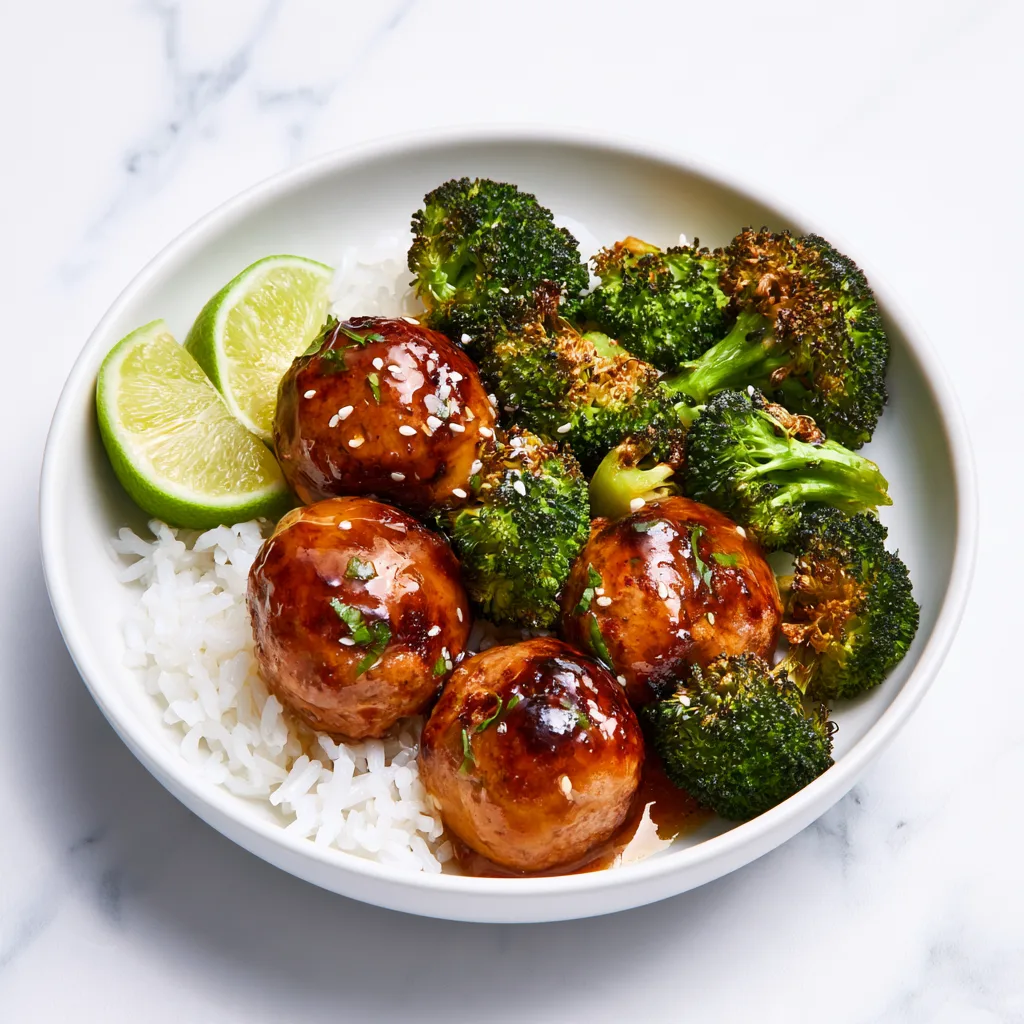
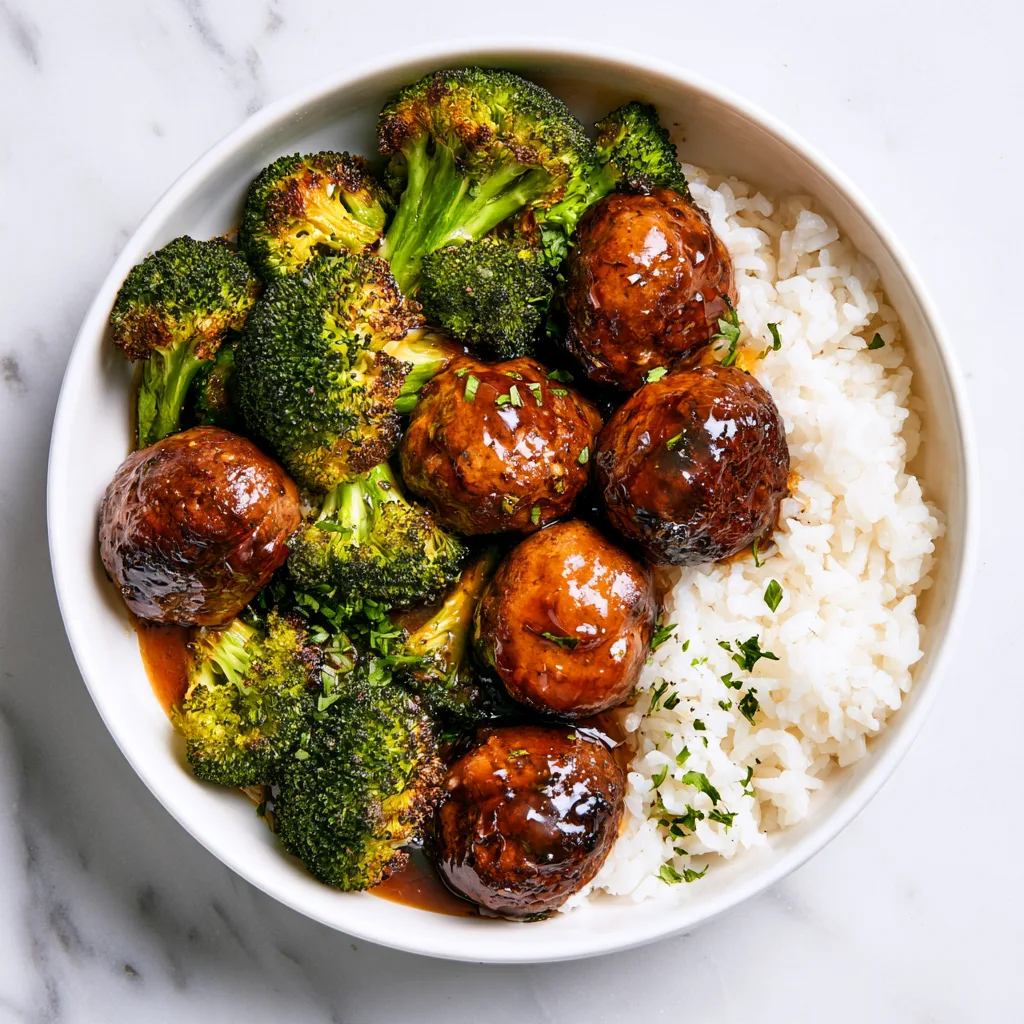
Hot Honey Garlic Beef Meatballs with Roasted Broccoli combines savory ground beef, a glossy sweet-and-garlicky sauce, and roasted broccoli for a satisfying dinner with fresh contrast from sesame and lime. The recipe uses common ingredients and a straightforward cooking sequence, with practical guidance for controlling sweetness, heat, and texture. It is especially useful when you want a flavorful homemade meal without an elaborate shopping list.
This guide to hot honey garlic beef meatballs includes measured cooking instructions, ingredient notes, serving ideas, meal-prep guidance, troubleshooting, and common questions. The main principle is simple: cook the protein safely, develop flavor without scorching the garlic or honey, and keep the fresh components bright rather than overcooked.
Recipe Snapshot
Servings: approximately 4. Prep time: 15–20 minutes. Cooking time: approximately 20–45 minutes, depending on the cooking method and the thickness of the ingredients. Protein: ground beef. Serve with roasted broccoli and sesame and lime. Use a food thermometer: ground beef should reach 160°F (71°C).
Ingredients and Exact Cooking Method
Mix 1 lb ground beef with ½ cup breadcrumbs, 1 egg, 2 minced garlic cloves and ½ teaspoon salt. Form 16 meatballs and bake at 400°F for 18–22 minutes, checking 160°F. Roast 1 lb broccoli florets on a separate sheet with 1 tablespoon olive oil at 425°F for 18–22 minutes. Warm 3 tablespoons honey, 1 teaspoon chili sauce, 2 minced garlic cloves, 1 tablespoon soy sauce and 1 tablespoon lime juice, then coat cooked meatballs.
- Protein: ground beef, in the amount stated above
- Main base: roasted broccoli, prepared as directed
- Fresh vegetable component: sesame and lime
- Garlic: fresh cloves, finely minced
- Honey: measure carefully and add after browning
- Soy sauce or broth: use low-sodium when possible
- Acidity: fresh lime, lemon, or rice vinegar
- Optional garnish: fresh herbs, sesame seeds, or scallions
Why This Recipe Is Worth Making
A balanced sauce rather than a sugary coating
Honey adds sweetness and helps the sauce cling to the protein, but it should not be the only flavor you notice. Garlic, soy sauce, and a little acid give the glaze depth and contrast. Adding the honey after the high-heat browning stage prevents it from scorching. Taste at the end, when the other ingredients have absorbed some seasoning.
An easy weeknight cooking sequence
Preparing roasted broccoli and sesame and lime while the protein cooks keeps the overall process manageable. The measured method is designed so that the slower-cooking component begins first. When you arrange the work in this order, there is less pressure to rush the garlic sauce or leave the cooked protein waiting in a hot skillet.
Contrasting textures in every serving
A memorable meal needs more than strong flavor. The tender ground beef should contrast with the texture of roasted broccoli, while sesame and lime adds freshness or a little crunch. Avoid overcooking the vegetables and resist stirring all the components together too aggressively. Their individual textures make the finished dish more enjoyable.
Practical ingredients and flexible garnishes
Most ingredients are familiar pantry staples, and the finishing touches can be adapted to what is available. Fresh scallions, a squeeze of lime, chopped parsley, or a pinch of sesame seeds can make the plate look inviting. The main method stays the same even when you change a garnish or side dish.
Step-by-Step Instructions
NaN. Organize and measure the ingredients
Read the measured method once before starting. Prepare roasted broccoli, wash and trim sesame and lime, mince the garlic, and measure the honey and liquid seasonings into small bowls. Keep raw ground beef separate from vegetables and ready-to-eat garnishes, and wash hands and utensils after contact with raw meat.
NaN. Begin with the longest-cooking component
Start the rice, noodles, potatoes, or other base according to the stated method. Follow package directions for grains and noodles because cooking times and water ratios vary. For roasted vegetables, spread them in an even layer so the edges can brown rather than steam. Check doneness instead of relying solely on the clock.
NaN. Cook the protein thoroughly
Cook the ground beef according to the measured recipe, working in batches when the pan is crowded. Browning develops flavor, but the final safety check is temperature. Use an instant-read thermometer to verify 160°F (71°C) in the thickest or central part. Transfer cooked pieces to a clean plate when needed.
NaN. Build the garlic and honey sauce
Reduce the heat before adding garlic and honey. Briefly warm the garlic until fragrant, then add the honey, soy sauce, acid, and any water or broth required. Stir continuously so the sugars do not scorch. A gentle simmer creates a glossy coating without reducing the sauce into a sticky, overly sweet paste.
NaN. Bring the cooked components together
Return the cooked protein to the sauce and coat evenly. Add sesame and lime at the stage specified by the measured method, preserving its intended texture. If the glaze seems too thick, add water one tablespoon at a time. If it is thin, simmer briefly uncovered while stirring.
NaN. Finish, taste, and serve
Serve the glazed protein with roasted broccoli, and finish with the fresh component. Taste the completed dish before adding salt, because soy sauce and packaged ingredients can already contribute plenty. A little citrus juice brightens the glaze and balances the honey. Serve hot, with extra chili on the side if desired.
Ingredient Notes and Substitutions
Choose ground beef that is fresh and appropriate for the method. Evenly sized pieces cook more predictably, which helps prevent dry edges and undercooked centers. If you substitute another protein, adjust the cooking time and use the correct safe internal temperature rather than copying the original timing without checking.
Honey contributes both sweetness and the shiny finish that makes this dish appealing. Ordinary liquid honey works well. If you use a strongly flavored variety, such as buckwheat honey, expect the finished glaze to taste different. Measure the honey instead of pouring freely, especially when using other sweet ingredients.
Fresh garlic has a bright aroma that works particularly well with honey and soy sauce. Mince it finely so the flavor distributes evenly. Add it only after the skillet temperature is under control, because garlic can turn bitter quickly if left in hot oil for too long.
The roasted broccoli should complement the glaze rather than become saturated. For noodles, drain thoroughly; for rice, fluff with a fork; for roasted potatoes, give them enough room to brown. A good base provides substance and a separate texture, helping the meal feel complete.
The sesame and lime is an important source of contrast. Fresh vegetables generally give the crispest result, but frozen options can be useful when properly drained or cooked to remove excess water. Add quick-cooking vegetables late so they retain some color and structure.
Low-sodium soy sauce is helpful because it gives you control over the final seasoning. If avoiding soy, use an appropriate alternative that suits your dietary needs, noting that different substitutes vary in saltiness. Always check labels for allergens and gluten when serving people with dietary restrictions.
Fresh citrus or vinegar brings balance to a sweet sauce. Add the measured amount first and adjust only after tasting. Too much acid can overpower the honey, while too little can make the sauce feel heavy. Small adjustments are usually more effective than dramatic changes.
How to Control Sweetness and Heat
For a mild version, keep the measured honey but reduce or omit the chili ingredient when the recipe includes one. The garlic and savory seasoning still provide flavor. Offer hot sauce at the table so each person can adjust their own serving without changing the entire batch.
For a medium-spicy version, start with the stated amount of chili sauce and taste after the glaze simmers. Heat levels vary by brand, so a tablespoon of one sauce may taste much hotter than another. The honey will soften some of the heat, but it will not eliminate it.
For a spicier result, add crushed red pepper flakes or a little more chili sauce near the end. Increase gradually. Avoid adding extra honey every time you add heat, because the glaze can become excessively sweet and thick. A squeeze of lime may provide better balance.
If the finished sauce tastes too sweet, add a few drops of rice vinegar or lemon juice and a splash of water. If it tastes too salty, dilute it carefully and serve with a larger proportion of unseasoned roasted broccoli. Adjust in small increments and taste again.
Common Cooking Mistakes and How to Avoid Them
One common mistake is adding honey to a very hot skillet before the protein is cooked. Honey contains sugars that can burn quickly. Brown the meat first, lower the heat, and then build the glaze with enough liquid to prevent scorching. The result should be glossy, not dark and bitter.
Another mistake is crowding the cooking surface. When too much meat is added at once, moisture collects and the food steams instead of browning. Use a wide skillet or divide the protein into batches. A little extra cooking time is worthwhile for a better texture.
Overcooking the vegetables can make the finished meal feel flat. Watch for color and tenderness rather than assuming longer cooking always improves flavor. Sesame and lime should add contrast to the protein, not dissolve into the sauce.
Using too much liquid can leave the sauce watery. Begin with the measured quantity and add more only when needed. Simmer uncovered briefly to reduce excess liquid, stirring frequently. Avoid reducing the glaze so far that it becomes sticky or starts to scorch.
Skipping a thermometer is a food-safety mistake. Browning and color alone do not prove that ground beef is safely cooked. Check 160°F (71°C), use clean utensils for cooked food, and avoid putting cooked meat back onto a plate that held raw ingredients.
Hot Honey Garlic Beef Meatballs with Roasted Broccoli
Juicy oven-baked beef meatballs tossed in a glossy sweet-and-spicy honey garlic glaze, served with perfectly roasted broccoli, sesame seeds and fresh lime.
🥩 Ingredients
For the Beef Meatballs
For the Roasted Broccoli
For the Hot Honey Garlic Glaze
Optional Garnishes
👩🍳 Step-by-Step Instructions
-
1
Preheat the oven
-
2
Prepare the meatballs
-
3
Bake the meatballs
-
4
Roast the broccoli
-
5
Prepare the honey garlic glaze
-
6
Coat the meatballs
-
7
Serve and garnish
Honey can burn quickly over high heat. Warm the glaze gently and add the already-cooked meatballs only after the sauce becomes smooth and glossy. For more heat, add chili flakes a little at a time.
📝 Recipe Notes
Make it mild: Reduce or omit the chili sauce.
Extra flavor: Add freshly grated ginger or a few drops of toasted sesame oil.
Storage: Refrigerate in airtight containers for up to 3–4 days.
Reheating: Heat leftovers to 165°F (74°C). Add a splash of water if the glaze has thickened.
Serving suggestion: Pair with steamed rice or a fresh cucumber salad.
Allergens: Contains egg, wheat (if using regular breadcrumbs), and soy. Check product labels.
Serving Suggestions
Serve hot honey garlic beef meatballs with roasted broccoli with a fresh cucumber salad dressed lightly with lime and a little olive oil. The cool crunch complements the sweet and savory glaze. Keep the salad simple so the main dish remains the focus of the plate.
For a family dinner, add steamed broccoli, roasted green beans, or a mixed green salad. These vegetables provide color and balance without requiring another rich sauce. A few sliced scallions or herbs make the finished plate more inviting.
For a casual gathering, arrange the protein, roasted broccoli, and fresh toppings separately so guests can assemble their own portions. Offer extra chili sauce, lime wedges, and sesame seeds on the side. This approach works well when different people prefer different spice levels.
For a lighter meal, use a smaller portion of the base and add more vegetables. The flavorful glaze can make a vegetable-forward plate feel satisfying without a large amount of additional sauce. Adjust the serving size to your appetite and needs.
Meal Prep, Storage, and Reheating
Cool cooked components promptly and refrigerate within two hours of cooking, or within one hour when the ambient temperature exceeds 90°F (32°C). Transfer leftovers into shallow, airtight containers rather than leaving a large hot pan on the counter. Keep the refrigerator at 40°F (4°C) or colder.
Use refrigerated leftovers within three to four days. For longer storage, freeze the cooked protein and suitable bases promptly in freezer-safe containers. Fresh cucumber, slaw, and delicate herbs are best added after thawing and reheating rather than frozen with the cooked meal.
Reheat cooked leftovers thoroughly to 165°F (74°C). Add a spoonful of water or broth if the honey glaze has thickened in the refrigerator. Stir partway through microwave reheating to avoid cold spots, and reheat only the amount you plan to eat.
When packing lunches, store crunchy vegetables separately from warm, sauced components. This preserves texture and prevents soggy noodles or lettuce. If the recipe contains rice, cool it quickly, refrigerate promptly, and reheat thoroughly rather than leaving it at room temperature for long periods.
Flavor Variations to Try
Add finely grated fresh ginger alongside the garlic for a more aromatic sauce. Ginger pairs naturally with honey and soy sauce, and a little goes a long way. Start with a teaspoon and adjust after tasting rather than adding a large amount immediately.
For a citrus-forward version, use fresh orange zest or lime zest in the finishing stage. The fragrant oils add brightness without much additional liquid. Avoid adding large amounts of juice before the glaze thickens, because extra liquid can dilute the sauce.
For a sesame variation, add a few drops of toasted sesame oil after cooking. Sesame oil has a strong flavor, so it is better used as a finishing ingredient than as the main cooking fat. Sprinkle sesame seeds over the plate for extra texture.
For additional vegetables, consider mushrooms, shredded carrots, snap peas, or bell peppers. Cook firmer vegetables first and add tender greens near the end. Adjust the sauce quantity only if needed; the goal is to coat the ingredients, not drown them.
Frequently Asked Questions
Can I make this recipe ahead of time?
Yes. Prepare the cooked components, cool them promptly, and refrigerate in shallow airtight containers. Keep fresh toppings separate and reheat thoroughly before serving.
Can I replace honey with maple syrup?
Maple syrup can provide sweetness, but it has a different flavor and consistency. Start with a similar amount, then adjust the sauce after tasting. The final glaze may be thinner.
How do I make the sauce less salty?
Use low-sodium soy sauce, add salt only after tasting, and dilute a concentrated glaze with a little water if necessary. Serving it over an unseasoned base also helps balance strong seasoning.
How do I know when the protein is cooked?
Use an instant-read thermometer and check the center or thickest portion. For this recipe, the target is 160°F (71°C). Do not rely on appearance alone.
Can I freeze leftovers?
Yes, freeze suitable cooked components promptly in airtight portions. Fresh crunchy toppings are better prepared after thawing. Thaw in the refrigerator and reheat leftovers to 165°F (74°C).
What should I serve on the side?
A crisp cucumber salad, lightly steamed vegetables, or fresh greens are good choices. Pick a side that adds freshness without competing with the honey garlic sauce.
How do I stop the glaze from burning?
Lower the heat before adding honey, include the measured liquid ingredients, and stir frequently. Do not let the sauce reduce unattended in a very hot skillet.
Final Thoughts
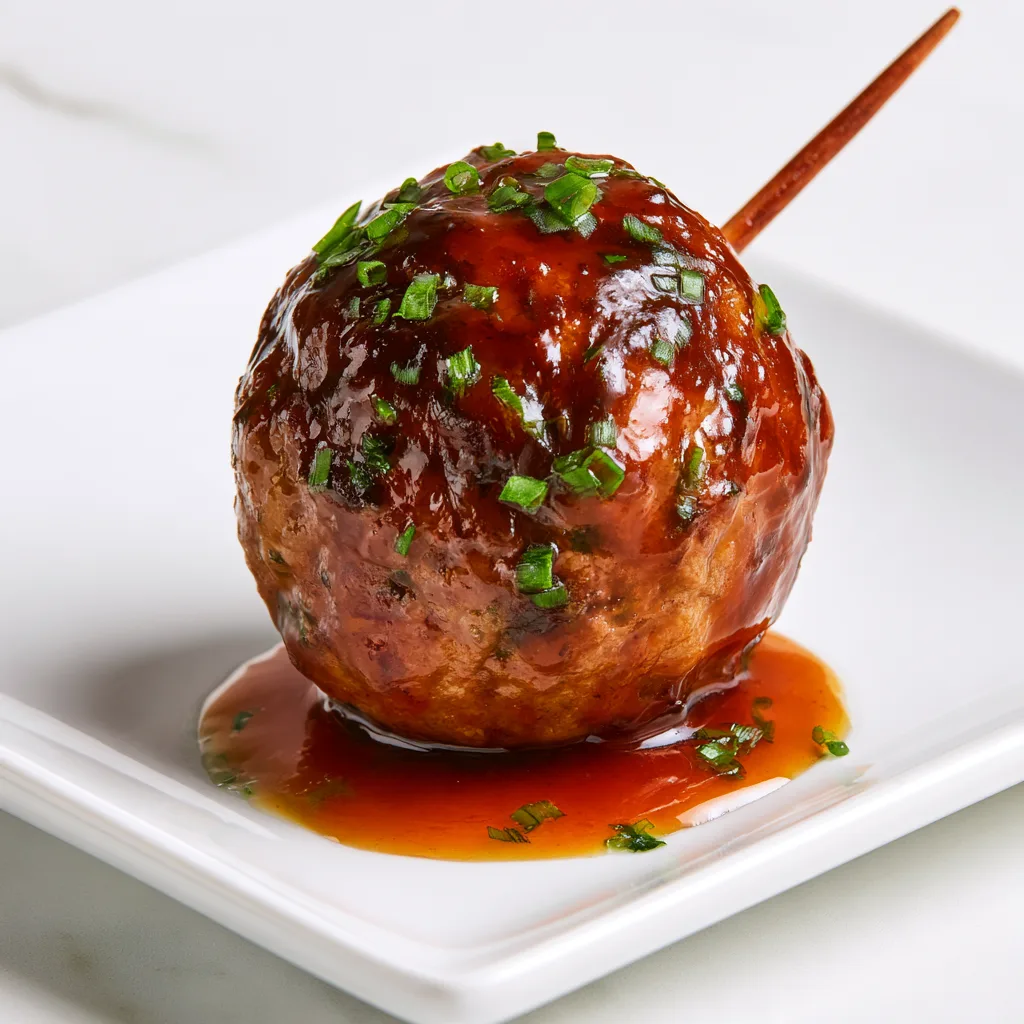
Hot Honey Garlic Beef Meatballs with Roasted Broccoli works best when you pay attention to the small details: well-cooked ground beef, a balanced honey garlic sauce, properly prepared roasted broccoli, and fresh sesame and lime. None of these steps is complicated, but together they create a meal that feels thoughtful and satisfying.
Save this hot honey garlic beef meatballs recipe for a busy evening or a planned lunch. Once you understand the cooking sequence, it is easy to adjust the spice level, swap a garnish, or serve it with different vegetables while keeping the main flavor profile intact.
Recipe Card
Hot Honey Garlic Beef Meatballs with Roasted Broccoli — Approximately 4 servings. Mix 1 lb ground beef with ½ cup breadcrumbs, 1 egg, 2 minced garlic cloves and ½ teaspoon salt. Form 16 meatballs and bake at 400°F for 18–22 minutes, checking 160°F. Roast 1 lb broccoli florets on a separate sheet with 1 tablespoon olive oil at 425°F for 18–22 minutes. Warm 3 tablespoons honey, 1 teaspoon chili sauce, 2 minced garlic cloves, 1 tablespoon soy sauce and 1 tablespoon lime juice, then coat cooked meatballs.
You might also like these recipes
Crispy Ground Beef Bowls with Hot Honey Lime Slaw
Honey Sriracha Chicken and Pineapple Rice Bowls
Hot Honey Garlic Beef Meatballs with Roasted Broccoli