
Maple roasted Thanksgiving vegetables turn a simple sheet pan of seasonal produce into a colorful holiday side dish. Carrots, Brussels sprouts and sweet potatoes roast until their edges are caramelized, then receive a light maple-Dijon glaze. The result tastes festive without requiring a casserole full of cream or a complicated cooking technique.
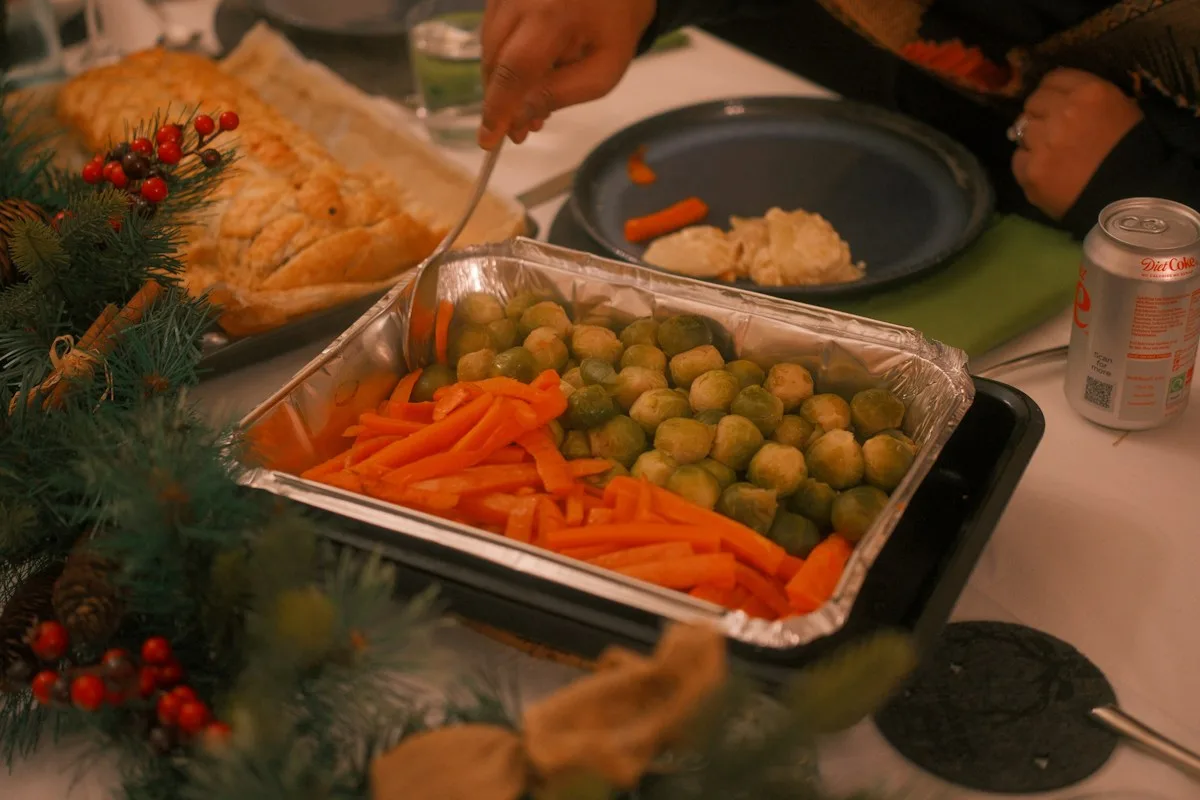
This detailed guide explains the ingredients, step-by-step method, make-ahead timing, storage and easy variations so you can prepare the dish with confidence. The photos are illustrative stock imagery and may not show the exact finished recipe.
Recipe Snapshot
Prep and cook: 45 minutes · Yield: 8 servings · Occasion: Thanksgiving · Keyword: maple roasted Thanksgiving vegetables
Ingredients
- 1 pound carrots, peeled and cut into 1-inch pieces
- 1 pound Brussels sprouts, trimmed and halved
- 1 large sweet potato, about 1 pound, cut into 3/4-inch cubes
- 3 tablespoons olive oil
- 2 tablespoons pure maple syrup
- 1 tablespoon Dijon mustard
- 1 tablespoon apple cider vinegar
- 1 teaspoon chopped fresh thyme
- 1/2 teaspoon kosher salt
- 1/4 teaspoon black pepper
- 1/3 cup chopped toasted pecans, optional
- 2 tablespoons dried cranberries, optional
Step-by-Step Instructions
- Preheat the oven to 425°F and line two large rimmed baking sheets with parchment paper for easy cleanup.
- Cut carrots, Brussels sprouts and sweet potatoes into pieces of similar thickness. Pat the vegetables dry so they roast rather than steam.
- Toss the vegetables with olive oil, salt, pepper and thyme. Divide between the two pans in a single layer, leaving a little space between pieces.
- Roast for 20 minutes. Rotate the pans and turn the vegetables with a spatula so new surfaces touch the hot sheet.
- Whisk maple syrup, Dijon mustard and apple cider vinegar in a small bowl. Drizzle over the partially roasted vegetables and toss gently.
- Return to the oven for another 10–15 minutes, checking frequently near the end. The vegetables should be fork-tender with browned edges, not burned syrup.
- Transfer to a serving platter and finish with pecans and dried cranberries if desired. Serve warm.
Why Maple and Roasted Vegetables Belong Together
Roasting concentrates the natural sweetness of carrots and sweet potatoes while giving Brussels sprouts pleasantly browned edges. Pure maple syrup adds a gentle woodsy sweetness that fits autumn cooking. Dijon mustard and vinegar prevent the glaze from tasting one-dimensional. The combination looks attractive on a Thanksgiving table because orange, green and golden-brown colors create a naturally festive presentation.
Choosing the Best Vegetables
Select firm carrots, compact Brussels sprouts and sweet potatoes without soft spots. Smaller Brussels sprouts are often sweeter and roast more evenly, but large ones work when quartered. Carrots should be cut into manageable pieces rather than very thin coins, which can burn. Choose sweet potatoes with smooth skin and cut away any damaged areas. A mix of sturdy vegetables is important because tender greens would overcook at this oven temperature.
How to Cut Everything Evenly
Uniform size helps different vegetables finish cooking at roughly the same time. Cut sweet potatoes into cubes around three-quarters of an inch, halve medium Brussels sprouts and make carrot pieces about an inch long. Thick carrot ends may need to be halved lengthwise. Perfect shapes are unnecessary, but consistent thickness matters. Small pieces brown faster, so keep them away from thin exposed edges of the pan.
Why High Heat Helps
An oven at 425°F encourages moisture to evaporate quickly, producing golden edges and deeper flavor. At a lower temperature, crowded vegetables can become soft before they brown. Preheat fully before adding the pans and avoid opening the oven repeatedly. Use sturdy rimmed baking sheets that can handle the heat. Parchment makes cleanup easier, although direct contact with a metal sheet can give slightly deeper browning.
The Importance of Space on the Pan
Crowding traps steam and prevents caramelization. Two pans are better than one overloaded pan, even if it means washing an extra dish. Spread vegetables in a single layer with small gaps between pieces. If your oven has hot spots, rotate the pans halfway through cooking. Do not pile the vegetables in a deep roasting dish; the texture will be closer to steaming than roasting.
When to Add Maple Syrup
Maple syrup contains sugars that can darken or burn during a long high-heat roast. Adding the glaze after the vegetables have already roasted for about twenty minutes lets them brown first and protects the syrup from excessive heat. Toss gently so the glaze reaches the surfaces without breaking tender Brussels sprouts. Watch the last ten minutes closely, particularly around the pan edges.
Dijon Mustard Makes the Glaze Balanced
A small amount of Dijon mustard adds tang and a subtle savory bite. It also helps blend the maple syrup with vinegar into a cohesive coating. If you do not have Dijon, a little whole-grain mustard works, though the texture becomes speckled. Avoid strong yellow mustard if you want a delicate holiday flavor. Start with the listed tablespoon and adjust after tasting the finished vegetables.
How to Keep Brussels Sprouts from Tasting Bitter
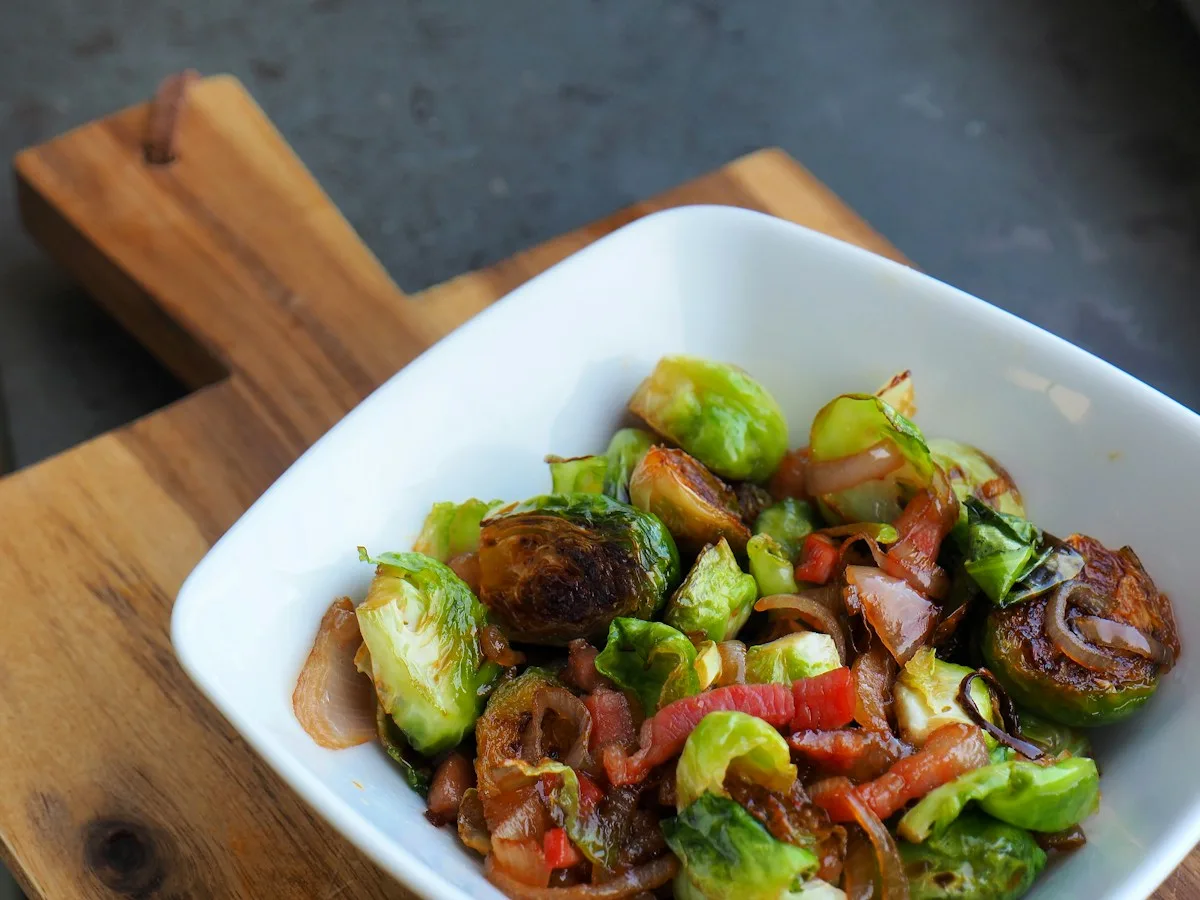
Trim the tough stem ends and remove damaged outer leaves. Halve the sprouts so the flat cut sides can make contact with the hot pan and brown. Deep browning contributes a nutty taste that balances their natural bitterness. Do not boil them before roasting; excess moisture can make them soft. The maple glaze should complement their flavor rather than completely mask it.
Using Real Maple Syrup
Pure maple syrup gives a distinctive flavor and usually needs only a modest amount. Pancake syrup often contains different sweeteners and flavorings, so it may behave differently in the oven. If you must substitute honey, use a similar quantity and watch the vegetables closely because honey also browns quickly. Avoid pouring on extra syrup at the end unless you deliberately want a sweeter side dish.
Adding Pecans and Cranberries
Toasted pecans bring crunch and a nutty flavor, while dried cranberries add tart-sweet contrast. Add both after roasting rather than before; nuts can scorch and dried fruit can become tough in a hot oven. If serving guests with nut allergies, omit pecans or offer them in a separate bowl. Pumpkin seeds are another crunchy option, but check dietary needs before adding toppings.
Make-Ahead Holiday Preparation
Peel and chop the vegetables the day before, storing them in separate covered containers in the refrigerator. Mix the glaze in a small jar and refrigerate. Dry the vegetables again before roasting, especially if moisture collects during storage. For the best browned edges, roast close to serving time. If oven space is limited, roast earlier and reheat briefly at high heat, accepting a slightly softer texture.
How to Scale for a Crowd
For a large Thanksgiving gathering, double the ingredient amounts but spread them over additional sheet pans. A crowded pan will not roast properly even when the recipe is doubled exactly. Rotate pans between oven racks so they brown evenly. Prepare toppings separately and sprinkle them on the serving platter. If serving a smaller group, halve the recipe and use one large sheet pan without reducing the oven temperature.
Serving Suggestions
These maple roasted vegetables pair beautifully with herb-roasted turkey, baked chicken, ham or vegetarian grain dishes. Their sweetness balances savory stuffing and rich gravy. Arrange the vegetables on a broad platter instead of a deep bowl to showcase the browned edges and bright colors. Add a few fresh thyme leaves just before serving for aroma. Keep extra glaze off the table unless guests request it.
Storing Leftovers
Cool roasted vegetables promptly and refrigerate in a sealed container within two hours. Use within three to four days. Reheat in a 400°F oven on a sheet pan until hot to help restore some of the browned texture. A microwave works for convenience but makes the vegetables softer. Leftovers can also be chopped into a grain bowl with cooked quinoa and a spoonful of yogurt sauce.
Troubleshooting Soft or Burned Vegetables
If the vegetables are soft and pale, the pan was probably crowded or the oven insufficiently hot. If the glaze burns, add it later or reduce the final roasting time. If sweet potatoes are tender but carrots remain hard, cut the carrots smaller next time. If Brussels sprouts are dry, check whether they were cut too small or roasted for too long. Adjust by texture and color rather than relying on time alone.
How to Shop for the Best Ingredients
Start with the freshest produce and meat you can reasonably find, but do not assume that expensive ingredients always make a better recipe. Read labels for added salt, sugar and allergens, especially when buying packaged sauces or seasonings. Check the size of the vegetables or roast because dimensions affect cooking time. Buy only the amount you need for your guests and plan how leftovers will be stored. This small amount of preparation saves time and helps the finished dish taste consistent.
Getting Organized Before Cooking
Read the entire recipe once, then set out measuring spoons, cutting boards, mixing bowls and the appropriate pan. Wash produce and prepare ingredients before you begin heating the oven. Keep raw poultry on a separate surface and wash hands and utensils thoroughly after contact. Measure seasonings into a small bowl so nothing gets forgotten at a busy moment. Good organization is especially valuable on Thanksgiving, when several dishes may need attention at the same time.
Scaling the Recipe for Guests
When cooking for a larger crowd, scale the ingredients based on the number of servings you actually need. Doubling the food does not mean doubling the cooking time. More crowded pans may need extra space, additional batches or a second oven rack. Taste seasonings carefully as you increase quantities, particularly salty ingredients. For smaller gatherings, halve a side dish or choose a smaller roast while keeping safe cooking temperatures unchanged. Plan serving dishes and refrigerator space in advance.
Serving a Balanced Holiday Meal
Thanksgiving meals often include several rich dishes, so balance the menu with something bright, crisp or acidic. A fresh salad, cranberry relish or simply cooked vegetable can make the plate more interesting. Serve hot dishes hot and chilled dishes cold, and avoid leaving perishable food on the table for hours. Put sauces in separate bowls so guests can choose their preferred amount. Thoughtful contrasts in texture and flavor make a familiar menu feel more complete.
Helpful Equipment and Kitchen Tips
A sturdy baking sheet or roasting pan, a reliable oven thermometer and a sharp knife are useful investments for holiday cooking. An instant-read food thermometer is particularly important for poultry. Use a large enough pan to allow heat to circulate, and place hot cookware on a heat-safe surface. Keep a clean towel nearby for drying vegetables, but use separate towels for hands and raw-food cleanup. Simple equipment used carefully is often more dependable than complicated gadgets.
How to Plan Leftovers
Prepare shallow containers before the meal so you can refrigerate leftovers promptly rather than waiting until the kitchen is cleaned. Separate sauces and crisp toppings when possible. Label containers with the date and aim to use refrigerated cooked leftovers within three to four days. Freeze portions you will not eat soon. When reheating, warm food thoroughly and add a little liquid if needed to protect texture. A leftover plan makes holiday cooking more practical and reduces waste.
Making This Recipe Part of Your Holiday Tradition
A dependable Thanksgiving recipe becomes easier each time you make it. After serving, write down any useful details: which pan browned best, whether your guests preferred more or less sweetness, and how long your oven actually took. Keep the base technique the same and adjust only one or two flavors next time. Invite family members to help with safe, age-appropriate tasks such as arranging vegetables or garnishing a platter. These small rituals make cooking more enjoyable.
Frequently Asked Questions
Can I make maple roasted vegetables ahead of time?
Yes. Chop the vegetables and prepare the glaze a day ahead; roast near serving time for the best caramelized texture.
What vegetables work best for a Thanksgiving sheet pan?
Carrots, Brussels sprouts, sweet potatoes, parsnips and red onions are sturdy options. Cut pieces to similar thickness.
When should I add maple syrup while roasting?
Add it during the final 10–15 minutes to reduce the risk of burning at high heat.
Can I use honey instead of maple syrup?
Yes. Use a similar amount, but watch carefully because honey can brown quickly.
How do I stop roasted vegetables from getting soggy?
Dry them well, use high heat, spread them in one layer and avoid crowding the sheet pan.
Printable-Style Recipe Summary
Maple Roasted Thanksgiving Vegetables: Easy Holiday Sheet Pan Side · 8 servings · 45 minutes. Use the complete method and notes above for ingredient preparation, food safety and troubleshooting.
Ingredients at a Glance
- 1 pound carrots, peeled and cut into 1-inch pieces
- 1 pound Brussels sprouts, trimmed and halved
- 1 large sweet potato, about 1 pound, cut into 3/4-inch cubes
- 3 tablespoons olive oil
- 2 tablespoons pure maple syrup
- 1 tablespoon Dijon mustard
- 1 tablespoon apple cider vinegar
- 1 teaspoon chopped fresh thyme
- 1/2 teaspoon kosher salt
- 1/4 teaspoon black pepper
- 1/3 cup chopped toasted pecans, optional
- 2 tablespoons dried cranberries, optional
Quick Directions
- Preheat the oven to 425°F and line two large rimmed baking sheets with parchment paper for easy cleanup.
- Cut carrots, Brussels sprouts and sweet potatoes into pieces of similar thickness. Pat the vegetables dry so they roast rather than steam.
- Toss the vegetables with olive oil, salt, pepper and thyme. Divide between the two pans in a single layer, leaving a little space between pieces.
- Roast for 20 minutes. Rotate the pans and turn the vegetables with a spatula so new surfaces touch the hot sheet.
- Whisk maple syrup, Dijon mustard and apple cider vinegar in a small bowl. Drizzle over the partially roasted vegetables and toss gently.
- Return to the oven for another 10–15 minutes, checking frequently near the end. The vegetables should be fork-tender with browned edges, not burned syrup.
- Transfer to a serving platter and finish with pecans and dried cranberries if desired. Serve warm.
Final Thoughts
Maple roasted Thanksgiving vegetables turn a simple sheet pan of seasonal produce into a colorful holiday side dish. Carrots, Brussels sprouts and sweet potatoes roast until their edges are caramelized, then receive a light maple-Dijon glaze. The result tastes festive without requiring a casserole full of cream or a complicated cooking technique. Make this recipe your own by choosing sides and garnishes that suit your family. Keep an eye on texture and temperature rather than relying on the clock alone, and save the notes that work well for your kitchen.
You might also like these recipes
Maple Roasted Thanksgiving Vegetables: Easy Holiday Sheet Pan Side
Crack Green Beans with Bacon: Sweet and Savory Thanksgiving Side
Rustic Spiced Pear and Ginger Galette with Flaky Crust