
Chocolate Pumpkin Cheesecake Bars with Cream Cheese Swirl is a practical homemade baked dessert bars built around pumpkin puree, cocoa, cream cheese and chocolate. The method is designed for an ordinary kitchen, with clear quantities and approachable techniques. Whether you are preparing a family meal, a make-ahead breakfast, or something sweet to share, this recipe emphasizes balanced flavor, reliable texture, and simple preparation.
In this complete guide to chocolate pumpkin cheesecake bars, you will find the measured recipe, ingredient explanations, cooking or baking steps, storage advice, variations, serving ideas, and answers to common questions. The detailed notes are especially useful when working with cottage cheese or cream cheese, because temperature and moisture can make a noticeable difference to the finished result.
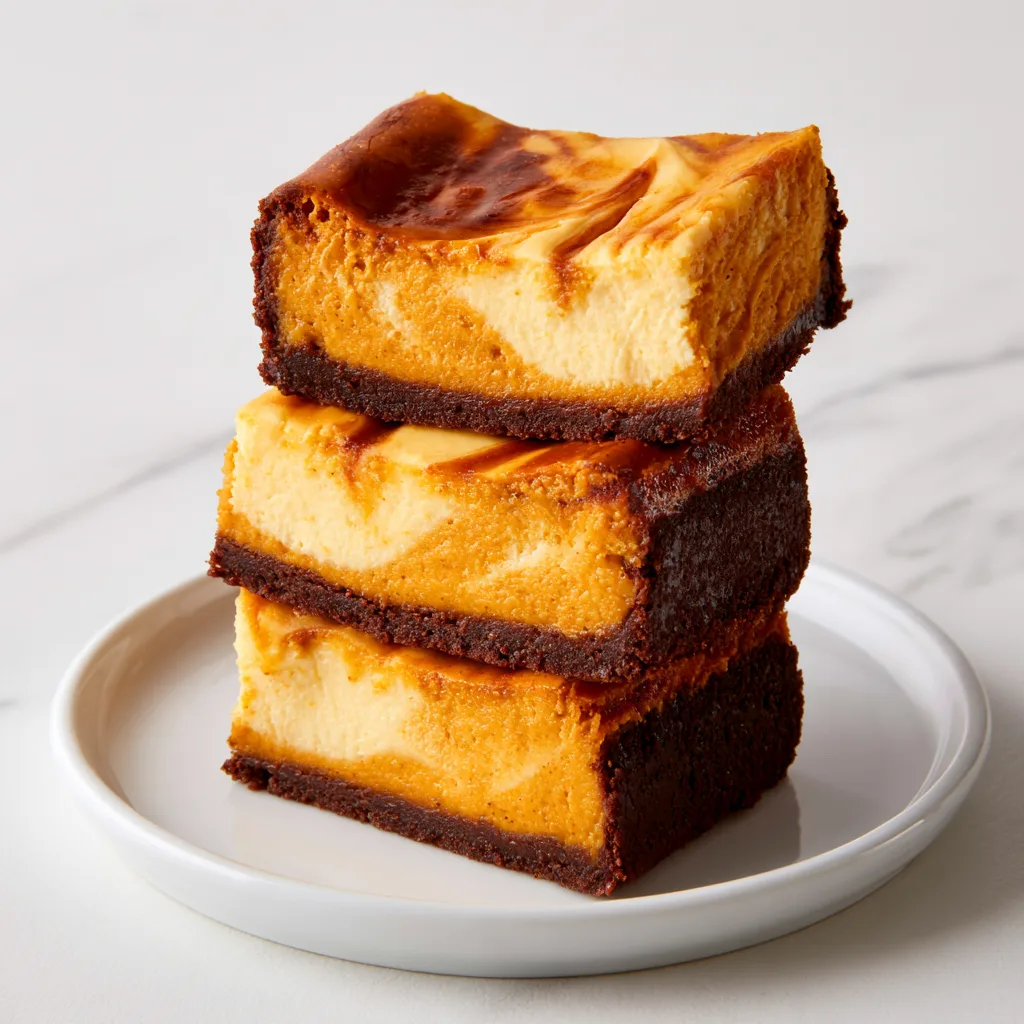
Recipe Overview
Recipe type: baked dessert bars. Yield: 16 bars. Preparation time: about 15–20 minutes. Cooking or baking time: follow the measured method below; chilling time applies to cheesecake bars. Equipment: mixing bowls, measuring cups and spoons, and the pan or baking dish specified in the method. Always follow the stated doneness checks rather than relying on time alone.
Measured Ingredients and Method
Line an 8-inch square pan with parchment. Mix 1½ cups chocolate cookie crumbs with 5 tablespoons melted butter; press into pan and bake at 325°F (163°C) for 8 minutes. Beat 16 oz softened cream cheese with ½ cup sugar, 2 eggs and 1 teaspoon vanilla. Divide mixture: stir ½ cup plain pumpkin puree, 1 teaspoon pumpkin spice and 1 tablespoon cocoa powder into two-thirds; leave one-third plain. Spread pumpkin filling over crust and dollop plain filling on top; swirl gently. Bake 32–40 minutes until edges set and center slightly jiggles. Cool, then refrigerate at least 4 hours before slicing into 16 bars.
- Main ingredients: pumpkin puree, cocoa, cream cheese and chocolate
- Fresh ingredients should be measured and prepared before starting
- Check dairy packaging for freshness and allergen information
- Use the exact oven temperature and pan size stated in the method
- Measure flour by spooning it into the cup and leveling it, if applicable
- Taste savory recipes before adding extra salt
- Allow baked items to cool as instructed before frosting or slicing
Why This Recipe Works
Familiar ingredients with a fresh approach
The appeal of chocolate pumpkin cheesecake bars with cream cheese swirl comes from combining common ingredients in a thoughtful way. You do not need specialized equipment or difficult techniques. The important details are preparation, temperature, and knowing when to stop mixing or cooking. Taking a few extra minutes to organize ingredients makes the rest of the recipe more relaxed.
Texture matters as much as flavor
Good texture is what makes a dish worth repeating. Cheesecake bars should be creamy in the center and firm enough to slice cleanly after chilling. Paying attention to moisture, heat, and resting time makes a bigger difference than adding more ingredients. Check the recipe’s doneness cues carefully.
Easy to adapt to your routine
This recipe works for different schedules because you can prepare some components ahead of time. Measure dry ingredients, wash vegetables, or organize toppings before cooking. If the recipe requires chilling, build that time into your plan rather than rushing it. Small adjustments to garnishes can create variety without changing the main method.
Simple finishing touches make it special
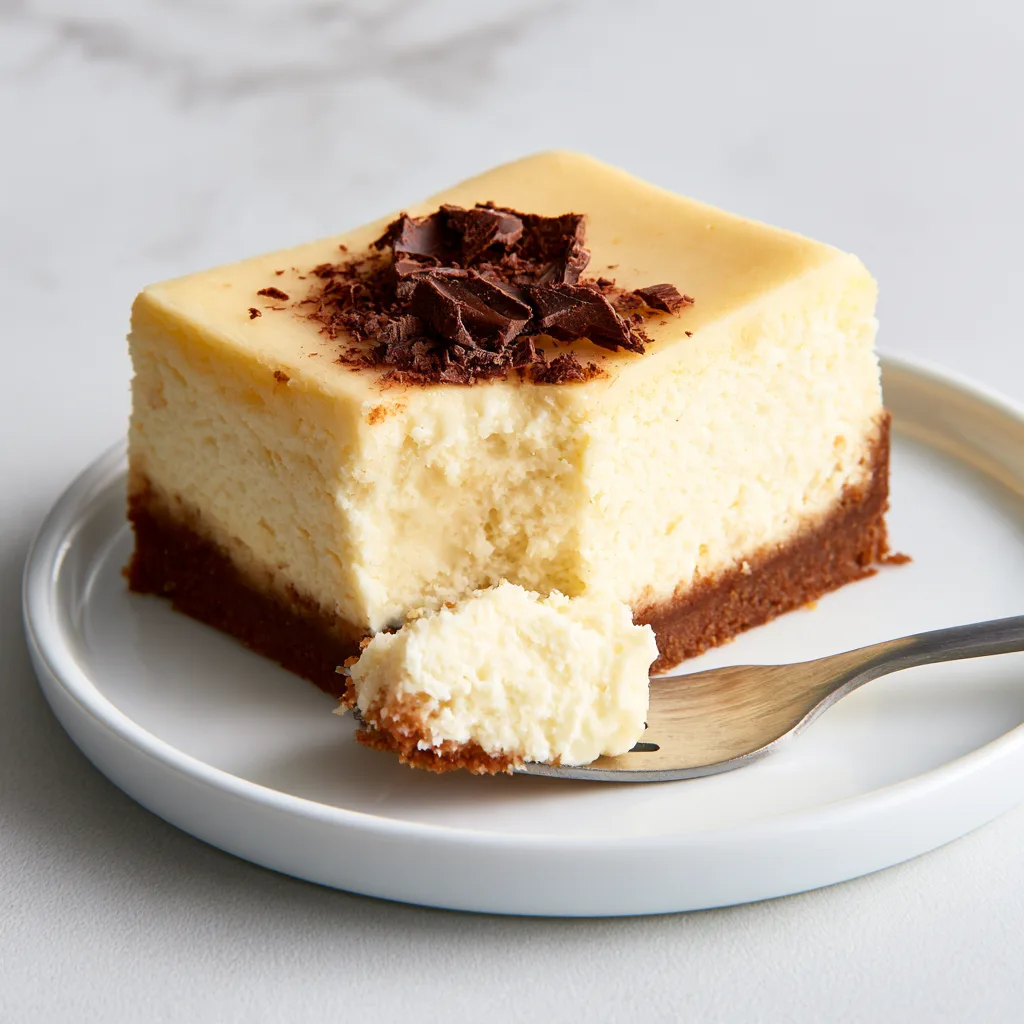
Serve chilled with shaved dark chocolate. A little attention to presentation can make an everyday recipe feel inviting. Use fresh garnishes when appropriate and avoid adding heavy toppings that compete with the main flavors. The best finishing touches highlight the ingredients already in the dish.
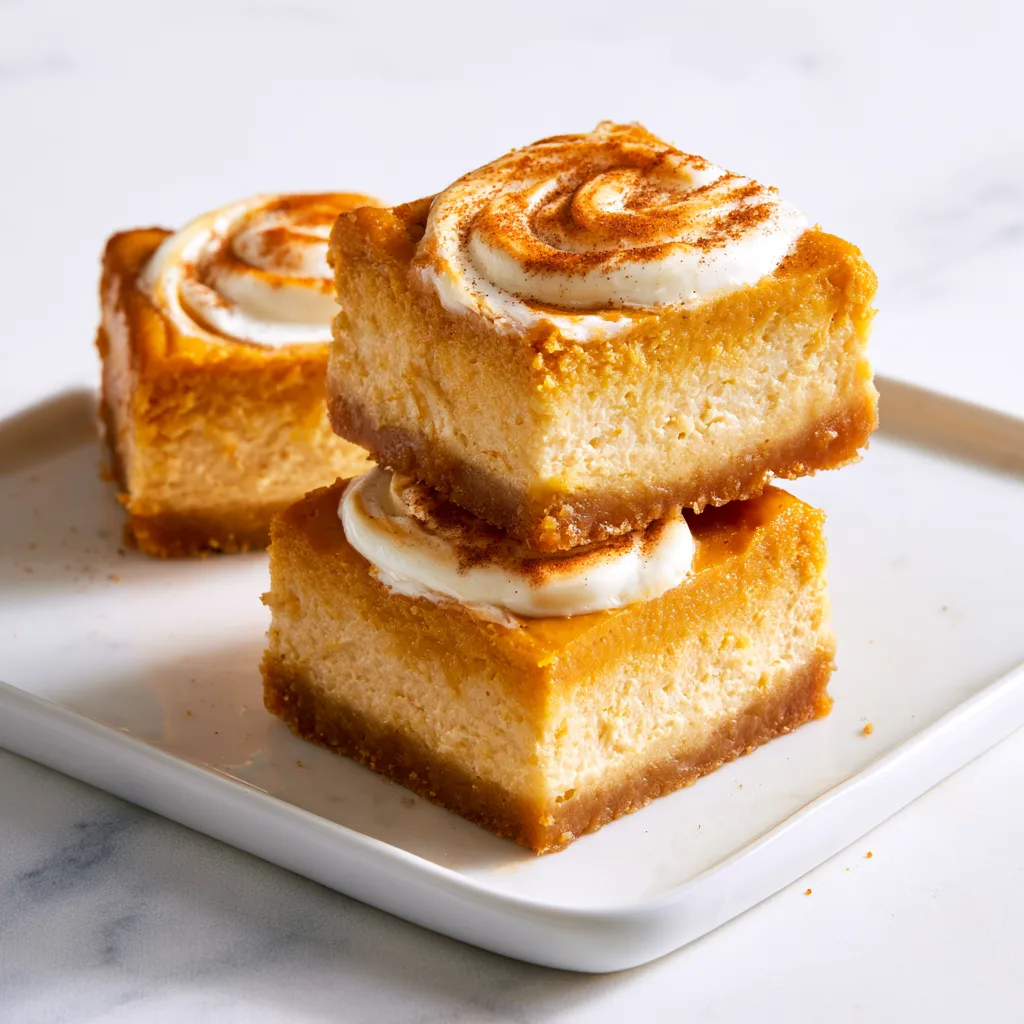
Step-by-Step Preparation
1. Read the method and prepare your equipment
Begin by reading the complete measured recipe. Gather the ingredients, select the correct pan, and preheat the oven if required. Measure the main ingredients before mixing. This prevents interruptions once the batter, filling, or hot skillet is ready. Clean and organize the workspace so you can focus on the cooking sequence.
2. Prepare the main ingredients
Follow the preparation instructions for pumpkin puree, cocoa, cream cheese and chocolate. For dairy-based mixtures, check whether the recipe calls for softened or cold ingredients. Softened cream cheese mixes more smoothly, while cottage cheese can be blended when a silky sauce is needed. For vegetables, cut pieces evenly so they cook at a consistent rate.
3. Mix or cook in the correct order
Follow the measured method in sequence. Avoid overmixing flour-based batters, which can make baked goods tough. When making a cheese sauce, use gentle heat to prevent separation. When browning meat, allow it to cook thoroughly before combining it with other ingredients. These details help produce the intended texture.
4. Watch temperature and doneness
Use the oven setting and cooking time as a guide, but rely on the stated doneness cues. A cheesecake center should have a slight jiggle while the edges look set; it firms as it cools. Check toward the early end of the time range to avoid overcooking.
5. Rest, chill, or finish as instructed
Allow the finished recipe to rest before serving. Cool cheesecake bars and refrigerate for at least four hours before slicing, which improves both safety and texture. This stage is part of the method rather than an optional extra.
6. Portion and serve
Use a clean knife or serving spoon to divide the recipe into even portions. Serve chilled with shaved dark chocolate. Taste and adjust only where appropriate; baked desserts are best adjusted through toppings rather than after baking. Store any remaining portions promptly and safely.
Ingredient Selection and Substitution Tips
The main ingredients in this recipe are pumpkin puree, cocoa, cream cheese and chocolate. Choose fresh products and check expiration dates, especially for refrigerated dairy. Different brands can contain different amounts of moisture and salt, so a familiar recipe may vary slightly from one shopping trip to the next. Pay attention to consistency as you mix.
Cream cheese should generally be softened before mixing into cheesecake filling or frosting. Cold cream cheese can leave lumps that are difficult to remove without excessive beating. Set it out briefly according to food-safety guidance, then use it while pliable. Do not leave perishable dairy at room temperature for extended periods.
Cottage cheese can be blended into a smooth mixture for sauces and batters or left with some texture for savory muffins. If the product is unusually watery, draining a little liquid may help. Do not automatically remove all moisture, however, because the recipe may rely on it for tenderness.
When using flour, measure accurately. Scooping directly from a tightly packed bag can add more flour than intended, making muffins or crusts dry. Spoon the flour into the measuring cup and level the top, or use a kitchen scale if available. Mix just until the ingredients are combined.
Cheddar and other shredded cheeses vary in saltiness and melting behavior. Freshly grated cheese often melts more smoothly in a sauce, while packaged cheese is convenient. Add cheese over low heat when possible. High heat can cause proteins to tighten and produce a grainy or oily finish.
Fresh herbs, citrus zest, and spices are useful finishing ingredients. Lemon zest contributes aroma without much extra liquid, while cinnamon or pumpkin spice can add warmth to sweet recipes. Add these flavors deliberately rather than combining too many at once. The main ingredients should remain recognizable.
If adapting the recipe for a dietary restriction, check the labels of all packaged ingredients. Gluten-free flour blends, dairy-free cream cheese, and alternative milks behave differently from the original ingredients, so results may change. Make one substitution at a time when testing a new version.
Techniques for Better Results
Measure before you begin. This is particularly important in baking, where the ratio of dry to wet ingredients affects structure. Keep a small bowl for each major component and verify the oven temperature. An oven thermometer can help if your oven runs hotter or cooler than the dial indicates.
Pay attention to moisture. Cottage cheese, pumpkin puree, vegetables, and sauces can contain varying amounts of water. Extra moisture may make a filling loose or a skillet dish watery. Follow the specified amounts and avoid adding liquid unless the texture requires it.
Use gentle mixing where appropriate. Overbeating cheesecake batter after adding eggs can incorporate excess air and encourage cracks. Overmixing muffin batter can develop too much gluten. For cheese sauces, stir steadily over low heat rather than whisking aggressively at a rolling boil.
Let the dish finish setting. Cheesecake bars need chilling time, muffins need a brief cooling period, and cheesy savory dishes often thicken as they rest. Cutting or serving too early can make a correctly prepared recipe appear underdone. Plan for this waiting time before you start.
Taste savory food after the main ingredients are combined. Cheese and packaged seasonings can already contain substantial salt. A squeeze of lemon or a little black pepper may be more useful than additional salt. Sweet baked recipes should be evaluated after cooling, when flavors have settled.
Serving and Presentation Ideas
Serve chilled with shaved dark chocolate. Arrange portions neatly and use a garnish that complements the main flavors. A simple presentation often looks better than piling on several unrelated toppings. Choose plates or bowls that provide enough room for the food to stand out.
For a relaxed family meal, serve this recipe with something fresh on the side. Savory dishes pair well with a green salad, while muffins and dessert bars are pleasant with berries or fruit. A contrasting texture makes the meal or snack more enjoyable.
For gatherings, prepare the recipe in advance when its storage instructions allow. Portion desserts into neat squares, arrange muffins on a platter, or keep a savory skillet warm only for a safe, short serving period. Label common allergens when sharing food with guests.
For lunch or snacks, pack portions in airtight containers and keep perishable ingredients chilled. A small separate container for glaze, herbs, or crunchy toppings can help preserve texture. This is especially useful when food will be transported before serving.
Storage, Freezing, and Food Safety
Refrigerate recipes containing cream cheese, cottage cheese, eggs, or cooked meat promptly. Place leftovers in shallow airtight containers and refrigerate within two hours of preparation, or within one hour if the surrounding temperature is above 90°F (32°C). Keep the refrigerator at 40°F (4°C) or below.
For savory cooked leftovers, use refrigerated portions within three to four days and reheat thoroughly to 165°F (74°C). For refrigerated baked goods with cream cheese frosting or cheesecake filling, keep them chilled and follow a conservative three-to-four-day storage window for best quality and food safety.
Freezing is possible for many recipes, but texture may change. Cheesecake bars generally freeze better without a delicate topping, while cottage cheese sauces may separate slightly after thawing. Wrap individual portions well and thaw in the refrigerator rather than on the counter.
When reheating savory recipes, use moderate heat and add a little milk or water if a cheese sauce has thickened. Stir to distribute heat evenly. Baked desserts and frosted muffins are generally served chilled or brought briefly to a comfortable serving temperature while respecting safe handling limits.
Creative Variations
For a brighter version, add a little lemon zest or a fresh herb that suits the recipe. Zest can make a sweet dessert taste more lively, while parsley or chives add freshness to a savory dish. Start with a small quantity so the original flavors remain in balance.
For extra texture, consider a crunchy topping. Toasted breadcrumbs work on savory macaroni, while a light sprinkle of crumbs or chopped nuts can complement some desserts. Add crunchy ingredients shortly before serving so they do not soften during storage.
For a richer result, choose full-fat dairy where the recipe allows. It may produce a creamier texture, but can also change the final consistency. Avoid assuming a richer substitution always requires the same amount of liquid. Adjust cautiously.
For a lighter version, reduce heavy toppings rather than drastically changing the structural ingredients in a baked recipe. In savory meals, add extra vegetables or pair with a salad. In desserts, smaller portions with fresh fruit can be a simple serving choice.
Chocolate Pumpkin Cheesecake Bars
With Cream Cheese Swirl
Rich chocolate cookie crust, creamy spiced pumpkin cheesecake and a beautiful vanilla cream cheese swirl. The perfect make-ahead fall dessert!
Ingredients
Instructions
- Prepare the oven. Preheat to 325°F (163°C). Line an 8-inch square pan with parchment paper.
- Make the crust. Combine chocolate cookie crumbs and melted butter. Press firmly into the pan. Bake for 8 minutes.
- Make the filling. Beat softened cream cheese and sugar until smooth. Add eggs and vanilla. Mix gently until combined.
- Add pumpkin. Divide the filling. Stir pumpkin puree, pumpkin spice and cocoa into two-thirds. Leave the remaining third plain.
- Create the swirl. Spread pumpkin filling over the crust. Dollop plain filling on top and gently swirl with a toothpick or butter knife.
- Bake. Bake for 32–40 minutes, until the edges are set and the center still has a slight jiggle.
- Cool and chill. Cool, then refrigerate for at least 4 hours. Slice into 16 squares.
- Serve. Enjoy chilled with shaved dark chocolate, if desired.
Use softened cream cheese for a smooth filling. Avoid overmixing after adding eggs. For clean slices, chill thoroughly and wipe the knife between cuts.
Storage & Make-Ahead
Store covered in the refrigerator for 3–4 days. Freeze individually wrapped bars for up to 2 months for best quality. Thaw overnight in the refrigerator.
Recipe Notes
Use plain pumpkin puree, not pumpkin pie filling. A slight jiggle in the center is normal. The cheesecake firms as it cools and chills.
Allergens: Contains dairy and eggs. Check cookie labels for wheat, soy and other allergens.
Common Mistakes to Avoid
A common mistake is ignoring ingredient temperature. Cold cream cheese can create lumps, and warm frosting can become runny. Follow the recipe’s instructions for softening, chilling, and cooling. Temperature control is a major part of achieving the intended texture.
Another mistake is changing too many ingredients at once. Different flours, sweeteners, and dairy products have different properties. When experimenting, change one ingredient at a time and keep notes. This makes it easier to understand why a batch turned out differently.
Overcooking can dry out muffins, split cheese sauces, and make cheesecake bars grainy. Begin checking at the early end of the stated time range. Use visual cues, a toothpick, or a thermometer as appropriate rather than extending cooking time automatically.
Skipping the resting or chilling stage can also cause problems. A warm cheesecake bar will not slice as cleanly as a chilled one, and a fresh muffin may crumble if handled immediately. Give the recipe the time it needs to set before portioning.
Finally, do not leave perishable dairy-based food sitting out for hours. Cool and refrigerate promptly. Use clean utensils for serving and avoid returning used spoons to stored containers. These small habits help protect both quality and food safety.
Frequently Asked Questions
Can I prepare this recipe ahead of time?
Yes, many components can be prepared in advance. Follow the measured method, cool promptly, and refrigerate perishable food. Add fresh garnishes or glaze at serving time when appropriate.
Can I use low-fat cottage cheese or cream cheese?
Often yes, but lower-fat dairy can contain more moisture and may produce a less rich texture. Use the specified amount first and evaluate the consistency before making additional changes.
How can I avoid a watery result?
Measure liquids carefully and drain unusually wet ingredients only when appropriate. Cook vegetables as directed and avoid adding extra milk or water until you have checked the mixture’s consistency.
Can I freeze leftovers?
Many portions can be frozen, although cheese sauces and frostings may change texture. Wrap airtight, label, thaw in the refrigerator, and follow the recipe’s reheating or serving instructions.
How long will it keep in the refrigerator?
As a conservative guideline, use perishable prepared portions within three to four days. Refrigerate promptly and keep the refrigerator at 40°F (4°C) or colder.
What is the best way to serve it?
Serve chilled with shaved dark chocolate. Fresh fruit or greens can add contrast depending on whether the recipe is sweet or savory.
Why did the texture turn out differently?
Ingredient moisture, oven temperature, mixing technique, and cooling time all matter. Check measurements and follow the specified doneness cues before changing the recipe.
Final Thoughts
Chocolate Pumpkin Cheesecake Bars with Cream Cheese Swirl shows how familiar ingredients can become a satisfying baked dessert bars with careful preparation and a few thoughtful details. The measured method is the foundation, while the ingredient tips and variations make it easier to adapt the recipe to your kitchen and schedule.
Keep this chocolate pumpkin cheesecake bars recipe for the next time you want a dependable homemade option. Focus on accurate measurements, the right cooking temperature, and enough resting time. Those habits will do more for the final result than adding complicated ingredients or extra steps.
Recipe Card
Chocolate Pumpkin Cheesecake Bars with Cream Cheese Swirl. Line an 8-inch square pan with parchment. Mix 1½ cups chocolate cookie crumbs with 5 tablespoons melted butter; press into pan and bake at 325°F (163°C) for 8 minutes. Beat 16 oz softened cream cheese with ½ cup sugar, 2 eggs and 1 teaspoon vanilla. Divide mixture: stir ½ cup plain pumpkin puree, 1 teaspoon pumpkin spice and 1 tablespoon cocoa powder into two-thirds; leave one-third plain. Spread pumpkin filling over crust and dollop plain filling on top; swirl gently. Bake 32–40 minutes until edges set and center slightly jiggles. Cool, then refrigerate at least 4 hours before slicing into 16 bars.
You might also like these recipes
Crispy Ground Beef Bowls with Hot Honey Lime Slaw
Honey Sriracha Chicken and Pineapple Rice Bowls
Hot Honey Garlic Beef Meatballs with Roasted Broccoli