
Homemade electrolyte drinks are a simple, affordable, and powerful way to stay hydrated—especially after exercise, illness, or long days in the sun. If you’ve ever felt depleted, foggy, or just plain tired after sweating it out, chances are your body needed more than just water. The good news? You don’t have to rely on sugary store-bought sports drinks. In this guide, you’ll discover how to make effective homemade electrolyte drinks using ingredients you already have. We’ll cover what electrolytes do, why they matter, and share 7 proven recipes for rapid recovery—perfect for busy days, workouts, or caring for your family.
Table of Contents
Table of Contents
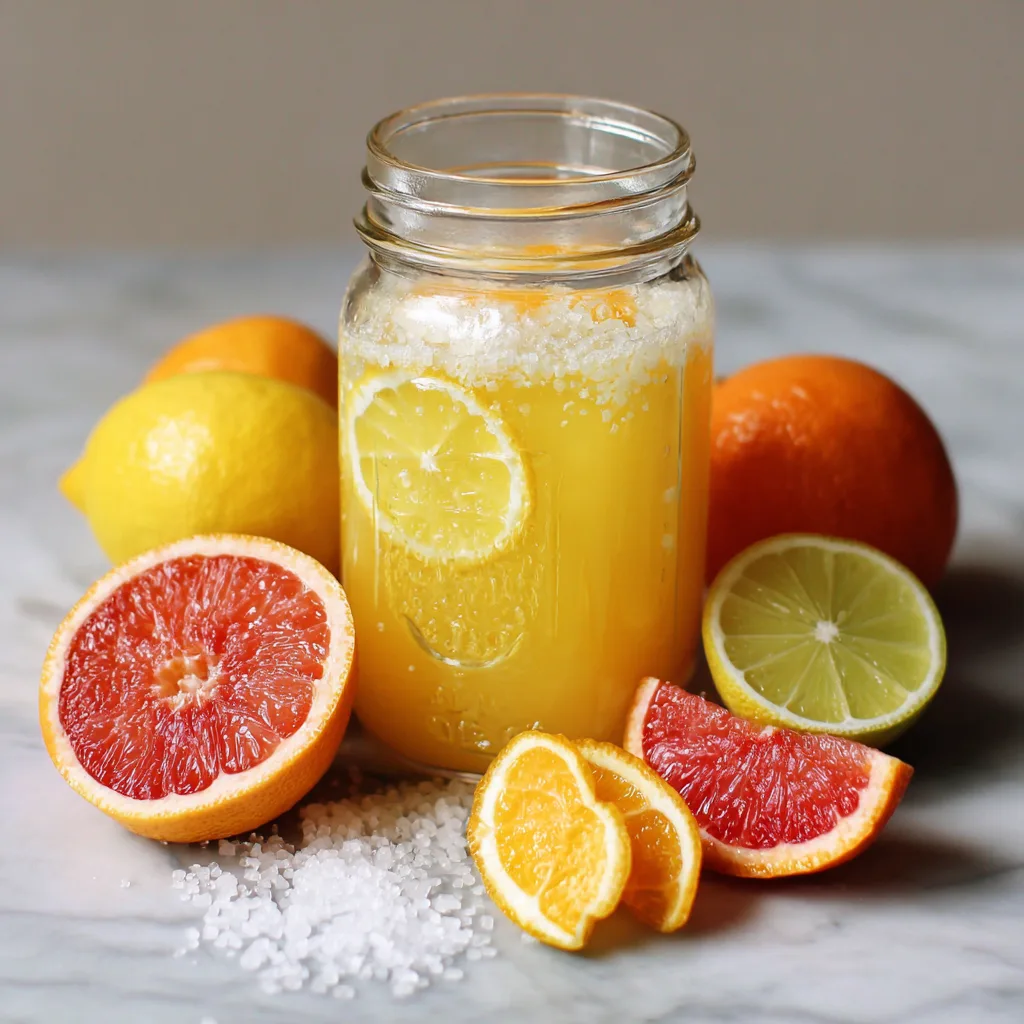
Why Homemade Electrolyte Drinks Became a Kitchen Staple
When I first started making homemade electrolyte drinks, it wasn’t for fitness—it was during flu season. My youngest had a stubborn stomach bug, and I didn’t love the idea of pumping her full of dyes and artificial sugars from neon-colored sports drinks. I needed something gentle, effective, and natural. So, I headed to the kitchen and stirred together water, a pinch of salt, lemon juice, and honey. That humble mix helped her bounce back—and it started a new tradition in our home.
Since then, I’ve made DIY electrolyte drink recipes for post-run recovery, hot summer days, even those times when my husband’s been on a ladder too long in the heat. Each version has evolved, using fresh citrus, sea salt, coconut water, or even watermelon juice. What I love most? You control what goes in—and what stays out.
Homemade electrolyte drinks aren’t just about hydration—they’re about feeling better fast, without all the extra ingredients you don’t need. You’ll find they’re:
- Easy to make in under 5 minutes
- Cheaper than anything store-bought
- Naturally low in sugar (or even sugar-free)
- Safe for kids, adults, and the elderly
Whether you’re recovering from a workout, illness, or heat exposure, you’ll feel the difference when you replenish electrolytes naturally. Throughout this guide, I’ll show you 7 of the best homemade electrolyte drinks I’ve developed and tested over the years. You’ll also get tips to tweak the ingredients based on your needs—because hydration isn’t one-size-fits-all.
What Are Electrolytes and Why They Matter
The Main Electrolytes: Sodium, Potassium, and Magnesium
When it comes to homemade electrolyte drinks, the power is in the details—especially the minerals. Electrolytes are essential minerals like sodium, potassium, magnesium, and calcium that help regulate fluid balance, nerve function, and muscle movement. Every time you sweat, whether from a summer hike or a tough workout, you lose these minerals. And water alone can’t replace them.
Sodium helps your body retain water and maintain blood pressure. Potassium supports nerve signals and heart health. Magnesium contributes to muscle relaxation and recovery. Together, they form the core trio found in effective hydration drinks.
Coconut water, citrus juices, sea salt, and leafy greens are common sources of these nutrients. The beauty of DIY electrolyte drink recipes is that you can mix and match ingredients to balance these minerals based on your needs—like after a day in the garden or a long afternoon run.
One recipe I love includes lemon juice, sea salt, honey, and filtered water. Another is a blend of coconut water and watermelon—refreshing and potassium-rich. We’ll cover more variations shortly.
If you enjoy clean, functional recipes that support your body, check out our Healthy & Fresh category for meals that pair perfectly with hydration—like the Low-Carb Italian Ground Turkey Skillet or a light Mediterranean Orzo Dinner.
How Electrolytes Are Lost: Sweat, Illness, and Everyday Life
You don’t need to run marathons to lose electrolytes. A hot day, a fever, or a stomach bug can drain your mineral reserves quickly. Symptoms of imbalance include fatigue, dizziness, cramping, or brain fog. That’s why homemade electrolyte drinks are useful even for non-athletes.
Think of them as your natural recovery tool—easy to prepare, gentle on the stomach, and surprisingly effective. And when paired with a quick recovery meal, they help your body bounce back fast.
Print
Homemade Electrolyte Drinks: 7 Proven Recipes for Rapid Recovery
- Total Time: 5 minutes
- Yield: 2 servings 1x
Description
7 refreshing and customizable homemade electrolyte drinks for hydration, recovery, and everyday wellness using simple natural ingredients.
Ingredients
- 2 cups filtered water
- 2 tbsp lemon or lime juice
- 1/8 tsp sea salt
- 1–2 tsp honey or maple syrup (optional)
- Optional: coconut water, watermelon juice, cucumber water
Instructions
- Combine all ingredients in a glass or pitcher.
- Stir or shake well until fully dissolved.
- Taste and adjust sweetness or saltiness if needed.
- Serve chilled or over ice.
- Store in the fridge for up to 3 days.
Notes
Use stevia or monk fruit for a sugar-free version.
Add coconut water for extra potassium.
Make popsicles for kids during hot weather.
Avoid using iodized salt for best flavor.
Pair with light meals after exercise or illness.
- Prep Time: 5 minutes
- Cook Time: 0 minutes
- Category: Drinks
- Method: No-Cook
- Cuisine: American
Nutrition
- Serving Size: 1 cup
- Calories: 35
- Sugar: 4g
- Sodium: 290mg
- Fat: 0g
- Saturated Fat: 0g
- Unsaturated Fat: 0g
- Trans Fat: 0g
- Carbohydrates: 9g
- Fiber: 0g
- Protein: 0g
- Cholesterol: 0mg
Store-Bought vs Homemade Electrolyte Drinks
What’s in Store-Bought Electrolyte Drinks?
Pick up a bottle of any popular sports drink and you’ll likely see a mix of water, sugar, artificial flavors, dyes, and preservatives—along with added sodium and potassium. While these commercial drinks like Gatorade or Powerade were designed for athletes, they often contain more sugar than a soda can, which isn’t ideal for everyday hydration.
Even the “healthier” versions still use processed ingredients and shelf-stabilizers. And if you’re watching your sugar intake—or making something for your kids—those additives can do more harm than good.
Most importantly, store-bought drinks use a one-size-fits-all electrolyte ratio. But hydration isn’t universal. A 6-year-old with the flu doesn’t need the same electrolyte balance as someone finishing a 10-mile run.
That’s where homemade electrolyte drinks shine.
Why Make Your Own Electrolyte Drink at Home?
Making your own hydration mix is simple—and smart. You control everything: the amount of sugar, the source of salt, and the flavor profile. Need more sodium after a heavy sweat session? Add a pinch more sea salt. Want a kid-friendly version? Use honey and citrus.
Homemade electrolyte drinks are cost-effective, cleaner, and fully customizable. For the price of one commercial bottle, you can make an entire pitcher using water, a pinch of salt, citrus juice, and a natural sweetener. Plus, there’s zero waste—no single-use plastic.
If you’re already making easy, wholesome meals like our Crockpot Chicken Spaghetti or Cheesy Ranch Potatoes and Smoked Sausage, then adding a DIY drink is just another way to nourish your family.
Once you try these DIY versions, you’ll wonder why you ever reached for a store-bought bottle in the first place.
When Should You Use Homemade Electrolyte Drinks?
After Exercise or High-Sweat Activity
Whether you’re finishing a long run, a strength training session, or just finished mowing the lawn in 90-degree heat, your body isn’t just losing water—it’s shedding key electrolytes. Replenishing sodium, potassium, and magnesium post-exertion helps muscles recover and prevents cramps or fatigue. Homemade electrolyte drinks are perfect here because you can tailor the sodium level to your sweat rate.
Try sipping a mix of lemon juice, a pinch of sea salt, honey, and filtered water within 30 minutes after your activity. Want to supercharge it? Add coconut water for a natural potassium boost.
Pair it with a light, protein-packed dish like our Mediterranean Orzo Dinner or Low-Carb Italian Ground Turkey Skillet for a full recovery combo.
During Illness, Hot Weather, or Recovery
Fever, vomiting, diarrhea, or a nasty cold? You’re losing fluids and electrolytes faster than your body can replace them. Hydration becomes critical—but sugary sports drinks aren’t always the answer, especially for kids or anyone with sensitive stomachs.
That’s where DIY electrolyte drink recipes truly shine. You can make a gentle version with plain water, sea salt, lemon, and a bit of honey or maple syrup. It’s easy on the gut and offers effective rehydration without artificial ingredients.
Hot climates also increase fluid loss—even without noticeable sweating. If you live in dry heat or spend time outdoors, a natural electrolyte drink once or twice a day helps prevent lightheadedness or fatigue.
For those days, we love pairing our drink with a cool, protein-rich bite like Cottage Cheese Dessert Bowl—hydration meets satisfaction.
And here’s a bonus: sipping these drinks daily can help with general energy, mental clarity, and even reduce cravings tied to dehydration.
Basic Homemade Electrolyte Drink Recipe
Simple Recipe with Water, Salt, and Citrus (Optional Sweetener)
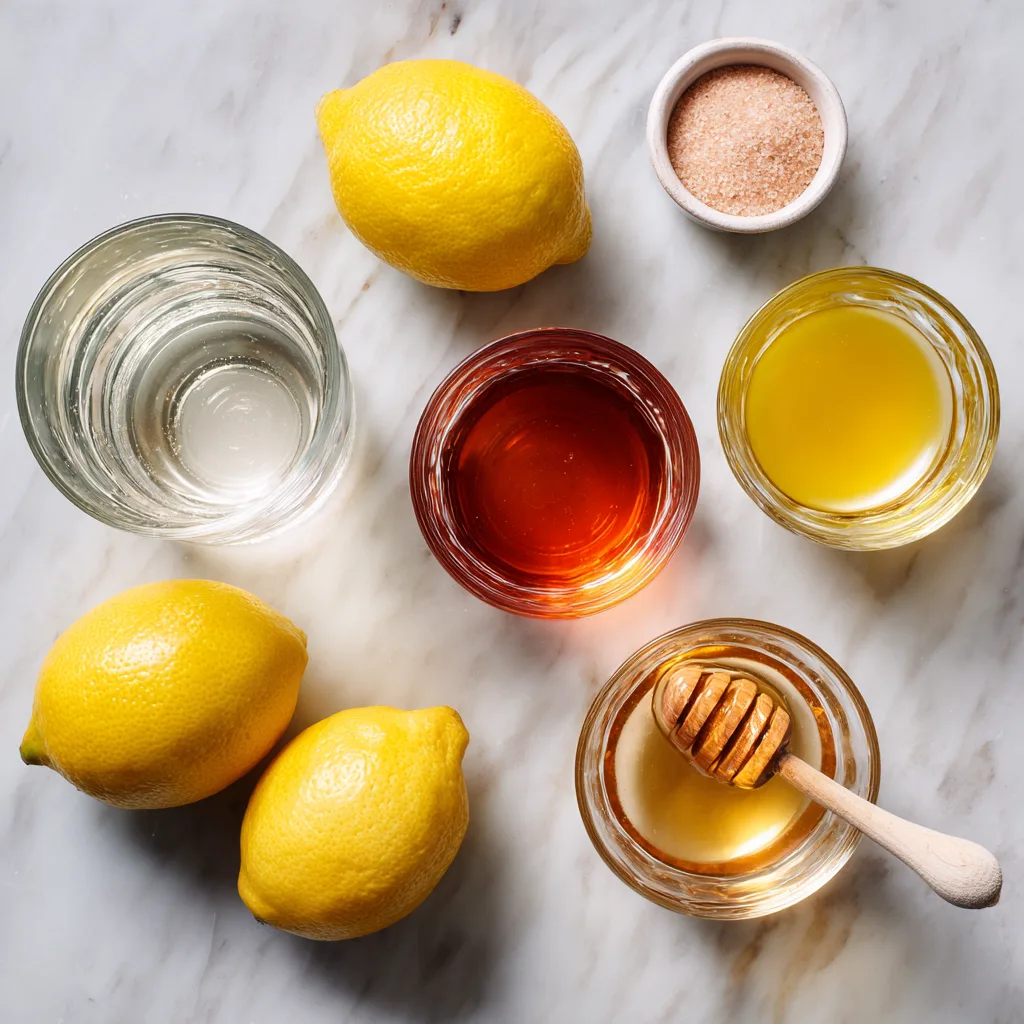
The beauty of homemade electrolyte drinks lies in their simplicity. At their core, all you need is:
- Water (hydration)
- Salt (sodium)
- Citrus juice (potassium and flavor)
- Natural sweetener like honey or maple syrup (optional, but improves taste and energy absorption)
Here’s the classic base recipe I use for both recovery and everyday hydration:
Basic Electrolyte Drink Recipe
- 2 cups filtered water
- 2 tablespoons lemon juice (or lime/orange)
- 1/8 teaspoon sea salt or Himalayan salt
- 1–2 teaspoons raw honey or pure maple syrup
Shake or stir well. Chill before serving for best taste.
This mix delivers just the right sodium and potassium balance for light dehydration, post-workout recovery, or warm weather support. It’s gentle enough for kids, too.
Want to keep it sugar-free? Just skip the honey and add a splash of no-sugar-added juice or a pinch of stevia for taste.
For more low-effort, body-friendly recipes, check out our Healthy & Fresh collection or quick meals like Easy Honey Sesame Chicken that pair perfectly with this DIY hydration boost.
Alternative Base Options (Coconut Water, Juice, and More)
Want to level up? Swap the water for:
- Coconut water – rich in potassium and naturally sweet
- Watermelon juice – hydrating, anti-inflammatory, and tasty
- Cucumber water – cooling and mineral-rich
- Herbal tea base – great for soothing hydration when sick
These bases allow you to tailor your DIY electrolyte drink recipe to your exact needs—whether you’re fighting off a cold, bouncing back after a hike, or just want to drink something refreshing and functional.

6 Great Homemade Electrolyte Drink Variations
1. Citrus & Sea Salt Classic
The simplest, most refreshing take on homemade electrolyte drinks is lemon juice, water, and sea salt. It’s the one I make when I need hydration in a hurry. It’s tart, energizing, and gets the job done.
Ingredients:
- 2 cups cold water
- Juice of 1 lemon (or half lemon, half orange)
- 1/8 tsp sea salt
- 1 tsp raw honey (optional)
2. Coconut Water + Watermelon + Sea Salt
Perfect after workouts or heat exposure. Coconut water is loaded with potassium, and watermelon juice is hydrating and full of antioxidants.
Ingredients:
- 1 cup coconut water
- 1/2 cup watermelon juice
- 1/8 tsp sea salt
- Juice of 1/2 lime
3. Honey-Lemon Flu Recovery Sipper
Great for kids or anyone recovering from illness. Gentle on the stomach with natural sugar and electrolytes.
Ingredients:
- 2 cups warm water
- Juice of 1 lemon
- 1 tbsp honey
- Pinch of salt
Pair it with our Amish Hamburger Steak Bake for a soothing, protein-rich recovery dinner.
4. Low-Sugar / Sugar-Free Hydrator
Perfect for keto, diabetics, or anyone watching sugar.
Ingredients:
- 2 cups filtered water
- 1/8 tsp Himalayan salt
- Juice of 1/2 lime
- Stevia or monk fruit to taste
5. Kid-Friendly Orange Popsicle Drink
Tastes like a treat—but packed with real hydration. Use oranges or mandarins.
Ingredients:
- 1 cup orange juice (fresh squeezed)
- 1 cup water
- Pinch of salt
- 1 tsp maple syrup
Make it fun by serving alongside our Cottage Cheese Dessert Bowl for a balanced snack.
6. High-Sweat Replenisher
Designed for serious rehydration after long workouts, gardening, or sports.
Ingredients:
- 1 cup coconut water
- 1 cup filtered water
- 1/4 tsp salt
- Juice of 1 lime
- 1 tsp honey
This one restores electrolytes fast and tastes great chilled.
Key Nutrient Ratios & How to Adjust
Target Sodium, Potassium, and Magnesium Amounts
Not all homemade electrolyte drinks are created equal. To actually replenish electrolytes, your drink should contain a balance of the big three: sodium, potassium, and magnesium.
Here’s a practical reference range based on general needs:
| Electrolyte | Light Activity (per 2 cups) | Moderate–Heavy Sweat |
|---|---|---|
| Sodium | 200–300 mg | 400–700 mg |
| Potassium | 200–400 mg | 400–700 mg |
| Magnesium | 20–50 mg | 50–100 mg |
How to get these in your drinks:
- Sodium: Sea salt or Himalayan salt (1/8 tsp = ~290 mg sodium)
- Potassium: Lemon juice, orange juice, coconut water, watermelon
- Magnesium: Coconut water, spinach juice, or magnesium glycinate drops (optional)
This ratio helps prevent cramping, dizziness, and fatigue after physical activity, illness, or long heat exposure.
Want to recover faster after high-effort days? Pair a magnesium-rich drink with our Classic Creamy Crack Chicken Gnocchi—it’s comforting, protein-packed, and deliciously nourishing.
How to Tweak Based on Activity, Climate, or Sweat Rate
Here’s how to personalize:
- Hot climate / heavy sweat: Use more salt (1/4 tsp) and coconut water
- Post-flu or stomach virus: Go easy—use lemon, honey, and just a pinch of salt
- Everyday hydration: Light citrus and a dash of sea salt, no sweetener needed
- Low-carb / keto: No juice or sugar—use lime juice, salt, and stevia instead
If you feel bloated or thirsty after drinking, it might be too salty. If you’re still tired, add more potassium.
Adjusting your drink to match your lifestyle means your body absorbs what it needs—and skips what it doesn’t.
Storage, Safety & Best Practices
How Long to Store Homemade Electrolyte Drinks
Because homemade electrolyte drinks don’t contain preservatives like commercial sports drinks, they need to be treated like fresh juice. Here’s the general rule:
- Refrigerated: Store in a sealed glass jar or bottle for up to 3 days
- Room temperature: No more than 4 hours, especially if it contains fresh fruit juice or honey
- Frozen: Pour into popsicle molds or ice cubes for later use—great for kids or summer days
If your drink includes perishable ingredients like coconut water, watermelon juice, or fresh herbs (like mint), aim to drink it the same day for best taste and safety.
Avoid plastic bottles that may leach chemicals into citrus-heavy drinks. Glass or BPA-free containers are always a safer choice.
You can make larger batches and keep them labeled in your fridge—especially during flu season, training periods, or heat waves.
Try pairing them with simple cooling meals like our Easy Honey Sesame Chicken or Low-Carb Italian Ground Turkey Skillet for a full-body recovery combo.
What to Watch Out for: Salt, Sweeteners & Dehydration Signals
It’s easy to overdo sodium if you’re not measuring. Stick with no more than 1/4 tsp per 2 cups unless you’re sweating heavily. Taste as you go—if it’s too salty to sip, it’s too salty to help.
Also, be cautious with added sugars. Even natural options like honey or maple syrup should be balanced to avoid blood sugar spikes.
Lastly, remember: homemade electrolyte drinks are not a replacement for medical oral rehydration solutions (ORS) during severe dehydration, chronic illness, or in young infants.
If symptoms like dizziness, dry mouth, or confusion persist, consult your healthcare provider.
FAQs About Homemade Electrolyte Drinks
What’s the difference between a hydration drink and an electrolyte drink?
Hydration drinks focus on water intake, while electrolyte drinks also replenish minerals like sodium, potassium, and magnesium lost through sweat, illness, or heat. Simply drinking water won’t restore these vital nutrients—electrolyte drinks are designed to do both.
Can I make homemade electrolyte drinks without sugar?
Yes! You can create sugar-free electrolyte drinks using stevia, monk fruit, or no sweetener at all. Citrus juice adds flavor and potassium naturally. Just keep in mind that a small amount of natural sugar (like honey) can enhance mineral absorption, especially after workouts.
Is coconut water enough as an electrolyte drink?
Coconut water is rich in potassium and magnesium, but it’s low in sodium. For balanced recovery, add a pinch of sea salt to create a complete homemade electrolyte drink. You can also blend it with citrus juice for added flavor and nutrients.
Are homemade electrolyte drinks safe for kids or pregnant women?
Yes—with a few precautions. For kids, keep sodium low and use natural sweeteners sparingly. Pregnant women should check with their doctor, but simple recipes using water, citrus, and a small amount of salt are typically safe for gentle hydration. Always avoid artificial additives.
Should I drink homemade electrolyte drinks every day?
You can—especially in hot weather or after physical activity. Just make sure you’re not overdoing sodium if you’re sedentary. For everyday use, stick to light versions with citrus and minimal salt, like the ones we feature in our Healthy & Fresh recipes.
You might also like these recipes
Sweet Treats
Mini Lemon Tart with Meringue – Elegant Bite-Sized Dessert for Spring Parties
Sweet Treats
Raspberry Tiramisu with Mascarpone Cream – No-Bake Elegant Spring Dessert
Quick & Easy Meals
Haluski Fried Cabbage and Noodles Recipe – Traditional Comfort Food Meal