
If you’re searching for high protein vegetarian meals, you’re in the right place. Whether you’re working toward fitness goals, trying to feel more energized, or just want meals that actually fill you up, protein is key—especially on a vegetarian diet. There’s a common myth that it’s hard to get enough protein without meat, but the truth is, you can absolutely thrive with plant-powered ingredients.
This guide shares 12 delicious and proven high-protein vegetarian ideas to keep you fueled, satisfied, and strong. From meal prep options to hearty dinners, everything here is backed by nutrition know-how—and it’s meant to be practical. No complicated ingredients. No boring salads. Just meals you’ll actually look forward to eating.
Table of Contents
Table of Contents
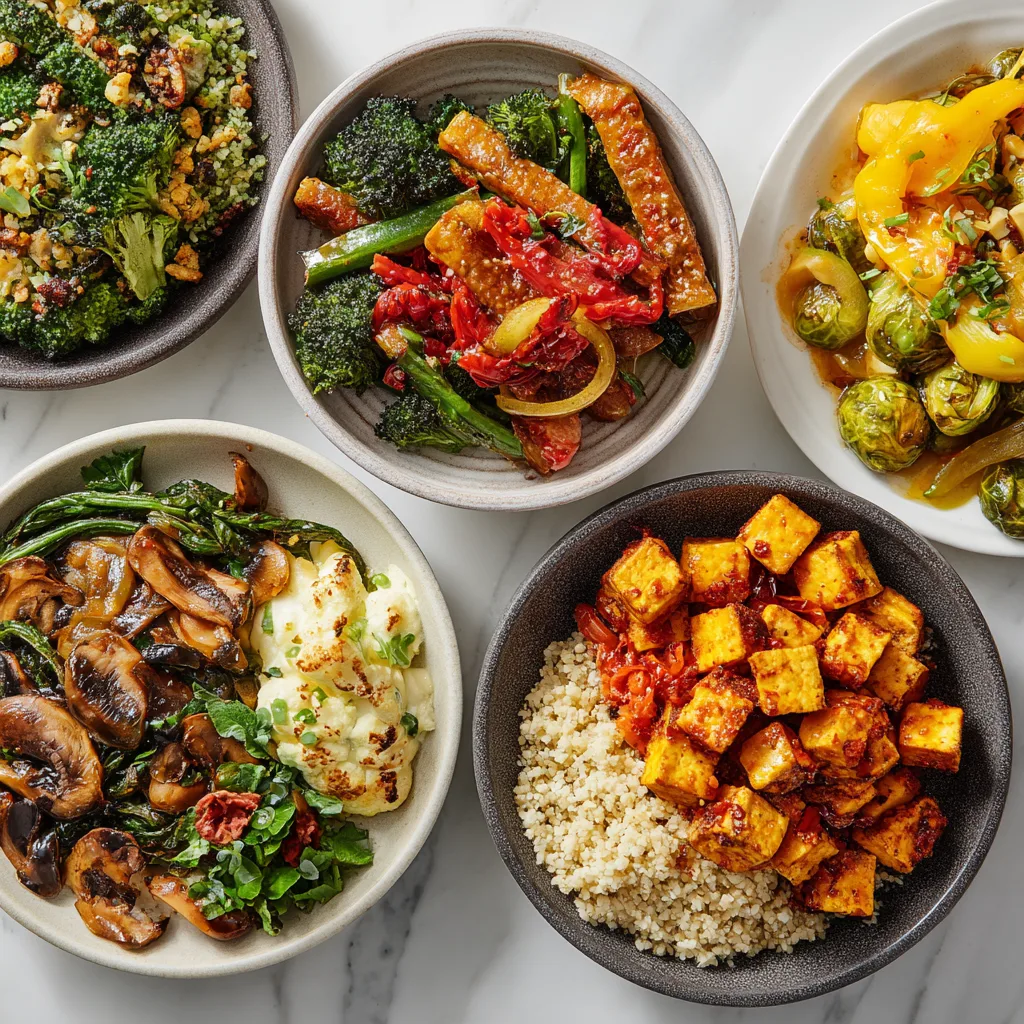
A Personal Journey to High Protein Vegetarian Meals
Stirring Memories in a Meat-Free Kitchen
Growing up in my grandma’s kitchen in Stillwater, Minnesota, the scent of stews and warm bread was always in the air. But it wasn’t until years later—after I started cutting back on meat—that I realized something was missing: satisfying, high protein vegetarian meals that actually left me full and energized. I tried salads, smoothies, and a million variations of pasta, but I’d find myself hungry just an hour later.
Then came the turning point. I started experimenting—lentils instead of ground beef, Greek yogurt in sauces, and even meatless meatloaf swaps that shocked my family. Once I learned how to balance flavor with vegetarian protein, everything changed. My energy went up. My cravings dropped. And honestly, the food was more exciting than ever.
That’s why I put together this collection. I want to help you create meals that fuel your body—without meat—and taste amazing. You’ll also find some of these recipes work beautifully with anti-inflammatory meals if that’s part of your journey, or alongside other nourishing tools like this cortisol cocktail for whole-body wellness.
Why Protein Matters—Even for Plant-Based Diets
When you think of protein, you might picture grilled chicken or steak—but high protein vegetarian meals are absolutely possible with the right ingredients. In fact, adding foods like lentils, quinoa, tempeh, eggs, and dairy can make your meals just as muscle-friendly as a meat-heavy diet.
Plus, plant-based protein comes with extra perks: fiber, antioxidants, and fewer saturated fats. This is especially helpful if you’re aiming for better digestion, balanced blood sugar, or long-lasting energy throughout the day.
So, if you’ve ever asked yourself, “Can I get enough protein without meat?”—yes, you can. And these meals are here to prove it.
Building Blocks of High Protein Vegetarian Meals
The Essential Ingredients That Pack a Punch
When building satisfying high protein vegetarian meals, you need more than just vegetables on your plate. The key is to combine whole food ingredients that naturally deliver both protein and staying power. Think lentils, quinoa, black beans, tofu, tempeh, and dairy like cottage cheese or Greek yogurt. These foods not only boost your protein intake but also give your meals a texture and flavor that make them feel complete.
For example, lentils have about 18g of protein per cooked cup—nearly as much as a serving of chicken. Pair that with some roasted sweet potatoes and a tahini dressing, and you’ve got a hearty lunch that fuels your afternoon without the crash. Want something cool and sweet to finish the day? Try a protein-friendly dessert like this mango sorbet made in the Ninja Creami. It’s refreshing and won’t undo your progress.
Balance Is Key—Protein, Fiber, and Fat
A high-protein vegetarian plate shouldn’t just be about the protein—it’s about balance. You’ll feel more energized when your meals include a trio of macronutrients: protein, fiber, and healthy fats. Add a spoonful of hummus, some avocado, or a sprinkle of hemp seeds to your meals to slow digestion and keep blood sugar steady.
This is especially helpful for those following GLP-1-friendly meal plans, which focus on stabilizing appetite and energy throughout the day. Whether you’re meal-prepping for the week or just trying to make better dinner choices, focusing on this balance ensures your body gets what it needs without leaving you hungry an hour later.
Keep reading—up next, we’re diving into breakfast ideas that prove you don’t need bacon or sausage to start strong.
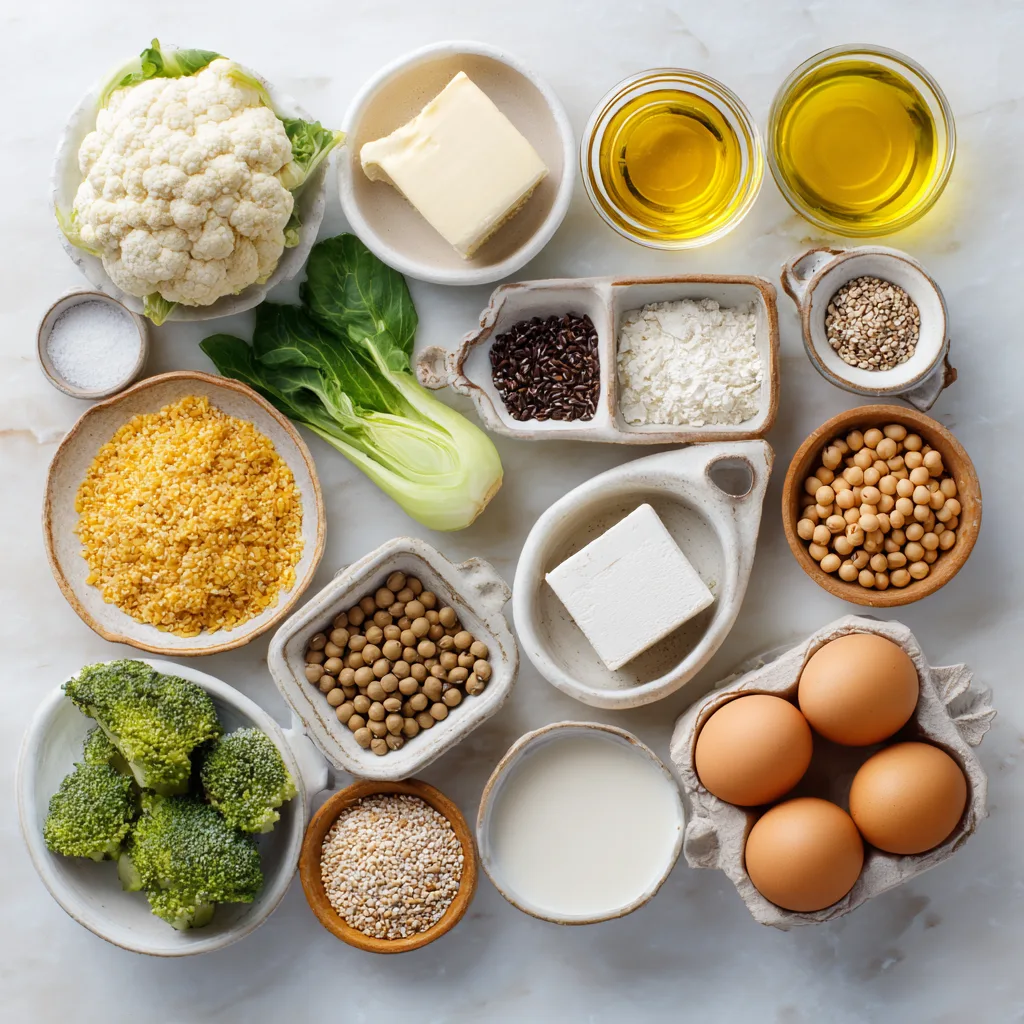
High Protein Vegetarian Breakfasts That Energize Your Mornings
Why Protein at Breakfast Changes Everything
Many people start their day with toast or cereal, but without enough protein, you’re setting yourself up for a crash before lunch. High protein vegetarian meals at breakfast help regulate blood sugar, boost mental clarity, and keep cravings at bay. And no, you don’t need eggs every day to make it work.
Try a Greek yogurt parfait layered with chia seeds, walnuts, and berries for a combo of protein, fiber, and antioxidants. Or go savory with a tofu scramble packed with veggies and a sprinkle of nutritional yeast for a cheesy flavor without dairy. Pair that with a slice of whole grain toast and a homemade magnesium drink to kick off your day feeling grounded and energized.
Easy Meal Prep for Busy Mornings
The secret to a strong start is preparation. Overnight oats made with chia seeds, almond milk, and a scoop of protein powder give you a grab-and-go option that still hits your macros. Want something hot? Make a batch of high-protein muffins using almond flour, flaxseed, and cottage cheese. Freeze and reheat when needed.
These quick ideas also work well for low glycemic index meal planning, especially if you’re watching your blood sugar. When you combine slow-digesting carbs with vegetarian protein and healthy fats, you create a breakfast that fuels your body without the energy rollercoaster.
Satisfying High Protein Vegetarian Lunches
Midday Meals That Actually Keep You Full
Lunch should give you a second wind—not send you hunting for snacks by 2 PM. That’s why high protein vegetarian meals at lunchtime are so important. The goal is simple: eat something that’s filling, energizing, and easy to prep or pack.
Start with a base of quinoa or farro, then layer on chickpeas, roasted vegetables, and a tahini or Greek yogurt dressing. This kind of meal can easily pack over 20g of protein and leaves you satisfied for hours. Another go-to is a lentil salad tossed with feta, cherry tomatoes, and cucumbers—fresh, fast, and perfect for busy days.
If you prefer warm meals, try batch-cooked crockpot cabbage recipes with white beans or tempeh added for protein. They’re easy to portion and reheat, and you’ll love how hearty they feel without needing meat.
Quick Swaps That Make a Big Difference
You don’t have to overhaul your entire lunch routine to get more plant-based protein. Just swap white bread for sprouted grain, mayo for hummus, or add a hard-boiled egg or two to your grain bowls. Even a sprinkle of hemp seeds or pumpkin seeds can add 5–10g of protein to a dish.
And for anyone looking to balance hormones or manage stress better during the day, combining these meals with something like this natural Zepbound-friendly recipe can support a more level energy curve—all from the inside out.
The best part? These lunches don’t just feed your body—they fuel your focus too. Coming up next: dinners that deliver big on comfort and protein.
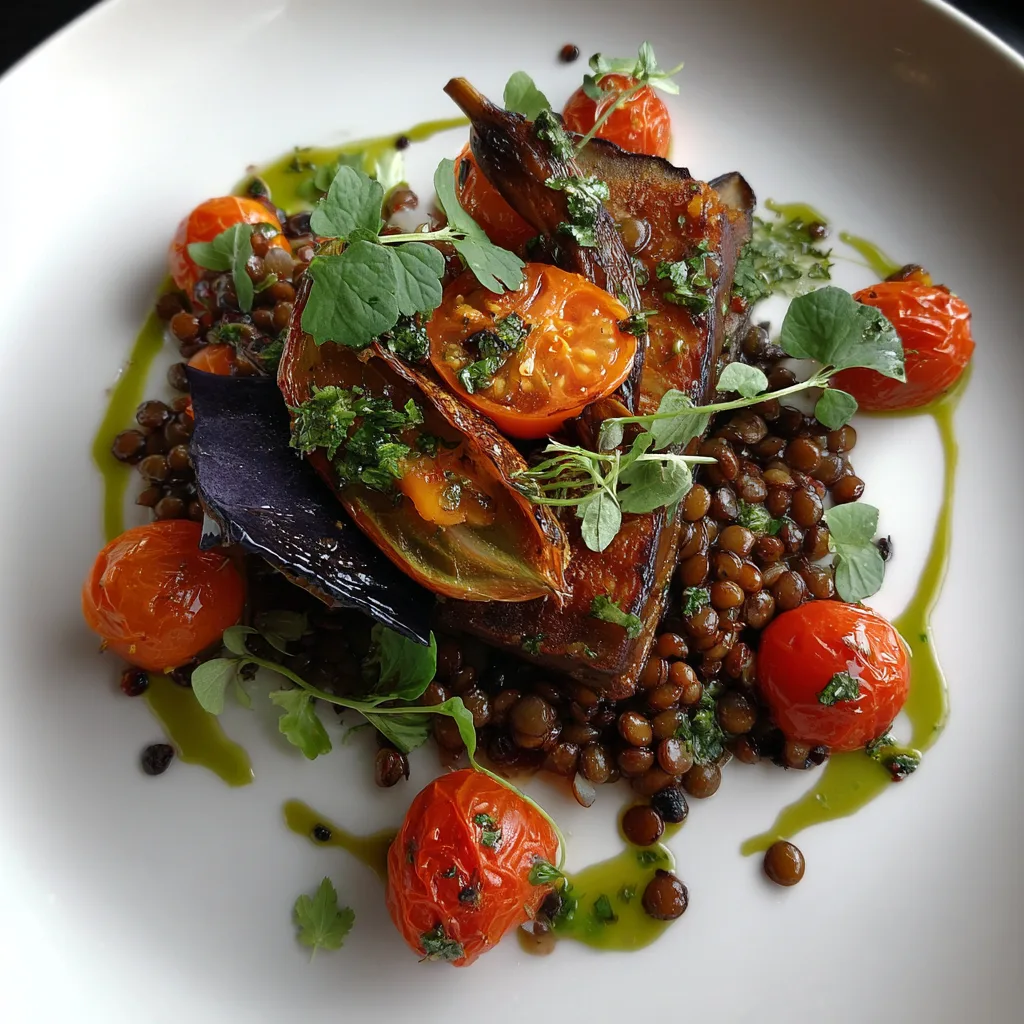
High Protein Vegetarian Dinners That Feel Like Comfort Food
End Your Day With Hearty, Protein-Packed Plates
Dinner is where comfort meets intention—and it’s the perfect time to enjoy high protein vegetarian meals that feel cozy, satisfying, and balanced. The trick? Ditch the bland and load up on flavor, texture, and plant-powered protein.
Try a creamy chickpea curry over brown rice or a black bean enchilada bake topped with Greek yogurt and avocado. Want something a little more indulgent? You can even turn comfort classics into vegetarian wins. Take this chicken cordon bleu meatloaf—it’s easy to modify using meatless deli slices, Swiss cheese, and high-protein legumes as the base.
Another smart choice? Baked eggplant Parmesan layered with lentils and mozzarella. You’ll get the “wow” factor of a baked Italian dish without missing the meat, and your body gets the fiber and protein it needs to recover from a busy day.
Flavor Without the Fuss
Many people assume vegetarian dinners are either salad-heavy or overly complicated. But when you focus on a few versatile ingredients—beans, tofu, grains, eggs—you can create fast, flavorful meals that work any night of the week.
One great example is a high-protein anti-inflammatory meal featuring roasted cauliflower, turmeric-spiced lentils, and a drizzle of olive oil. It’s good for your muscles and your mind. Plus, meals like this help you wind down without feeling weighed down.
You don’t need complicated recipes to feel satisfied—just the right ingredients in the right combinations.
Smart Snacking with High Protein Vegetarian Meals in Mind
Snacks That Keep the Momentum Going
Most people think of meals when planning protein—but snacks matter too. In fact, one of the best ways to support energy, muscle recovery, and appetite control is by thinking of your snacks as mini high protein vegetarian meals. That way, you stay fueled between meals without derailing your goals.
A quick combo of apple slices with peanut butter, Greek yogurt with chia seeds, or a boiled egg with a few whole grain crackers can deliver just the right amount of protein to keep you going. For something a little more indulgent, try blending cottage cheese with frozen mango and cinnamon for a creamy dip that feels like dessert.
You’ll also find that these snack ideas fit naturally into GLP-1-friendly eating patterns, supporting hunger signals and blood sugar balance throughout the day. And if you’re looking for a nutrient boost to pair with that snack, don’t miss this easy homemade magnesium drink recipe—it supports mood, muscle, and sleep, all in one glass.
On-the-Go Protein That Works
When you’re out and about, it helps to have grab-and-go options that still qualify as high protein vegetarian meals in smaller portions. Look for roasted chickpeas, trail mix with hemp hearts and almonds, or a protein bar made with simple ingredients. Even string cheese or a portable smoothie made with plant-based protein powder can do the trick.
The key is to plan ahead. Keep a few protein-rich options in your bag, desk drawer, or fridge so you’re never caught off guard when hunger hits. That way, you’re staying consistent with your high protein vegetarian meals even between breakfast, lunch, and dinner.
Meal Prep Strategies for High Protein Vegetarian Meals
Make-Ahead Meals That Actually Save Time
If you’ve ever opened the fridge at 6 PM and felt totally lost, you’re not alone. That’s why meal prepping your high protein vegetarian meals ahead of time can be a total game-changer. With just an hour or two on the weekend, you can stock your fridge with lunches, dinners, and snacks that are already balanced and ready to go.
Start by prepping versatile ingredients: cooked lentils, quinoa, roasted veggies, hard-boiled eggs, and a few sauces like tahini dressing or yogurt-based dips. Use those to build grain bowls, wraps, or casseroles during the week. One of our favorite tricks is to prep a big batch of protein-rich veggie stew and freeze it in individual portions.
If you’re following an eating plan that supports metabolism or energy regulation, pairing your meals with a low glycemic index recipe can help you feel full longer and avoid energy crashes. Need something sweet after meal prep? Whip up a mango sorbet in the Ninja Creami using cottage cheese or Greek yogurt—it’s the perfect high-protein dessert with no guilt.
Batch Cooking for Flexibility
Don’t feel locked into full recipes—prep in components. Roast a tray of tofu, cook up a pot of black beans, and wash your greens. With these basic building blocks, you can mix and match meals all week, keeping your taste buds happy and your protein intake steady.
Using this method, sticking to your high protein vegetarian meals becomes easier and way less stressful. You’ll save time, reduce decision fatigue, and stay committed to your health goals—without feeling like you’re stuck eating the same thing every day.
High Protein Vegetarian Meals for Muscle Building & Fitness
Yes, You Can Build Muscle Without Meat
One of the biggest myths out there is that you need meat to build muscle. The truth? You can gain strength and support recovery just fine with high protein vegetarian meals—you just have to be intentional about it.
Plant-based athletes and everyday gym-goers alike are thriving on meals built around tofu, tempeh, lentils, quinoa, cottage cheese, and eggs. These ingredients are not only protein-rich but also come with nutrients like magnesium, iron, and fiber that support performance. After strength training, a bowl of lentils and sweet potatoes with a boiled egg on top can deliver everything your muscles crave to repair and rebuild.
And if you’re following a metabolic reset or energy-balancing plan, incorporating Zepbound-inspired natural recipes into your day can help align your muscle-building goals with appetite regulation and fat loss.
Pre- and Post-Workout Fuel Made Easy
Before a workout, pair complex carbs with a bit of protein—like oats with nut butter or a banana with Greek yogurt. After your session, lean into high protein vegetarian meals that include around 20–30 grams of protein plus healthy carbs to refuel your muscles. A black bean bowl with rice and avocado hits the mark.
Need a cooling, protein-rich treat after a workout? Try this refreshing cortisol cocktail with added plant protein powder. It helps calm the nervous system while replenishing what your body used during training.
Bottom line: high protein vegetarian meals can absolutely power your fitness goals. You don’t need meat—just a smart plan, the right ingredients, and consistency.
FAQs About High Protein Vegetarian Meals
What vegetarian food has the most protein?
Some of the highest protein vegetarian foods include tempeh (31g per cup), seitan (21g per 3 oz), lentils (18g per cup cooked), and chickpeas (15g per cup cooked). Eggs, Greek yogurt, and cottage cheese also offer a great boost for those including dairy and eggs in their diet. These ingredients form the backbone of many balanced high protein vegetarian meals.
Can vegetarians get 100g of protein a day?
Yes, vegetarians can absolutely get 100 grams of protein per day by planning their meals intentionally. A sample day of high protein vegetarian meals might include Greek yogurt for breakfast, a lentil and quinoa bowl for lunch, tofu stir-fry for dinner, and snacks like cottage cheese or protein bars. Tracking your intake can help ensure you hit your protein goals consistently.
Are meat substitutes healthy sources of protein?
Meat substitutes like tofu, tempeh, and mycoprotein (e.g., Quorn) are generally healthy protein options when minimally processed. However, some meat alternatives are high in sodium or additives. The best high protein vegetarian meals use a mix of whole food proteins and occasional meat alternatives to maintain both variety and nutritional balance.
Is mycoprotein better than soy for vegetarians?
Mycoprotein (used in Quorn products) and soy-based proteins (like tofu and tempeh) both offer high-quality vegetarian protein. Mycoprotein is low in saturated fat and rich in fiber, while soy provides complete protein and beneficial isoflavones. Both can be part of nutritious high protein vegetarian meals, and the choice often comes down to personal preference or dietary needs.
You might also like these recipes
Healthy Chocolate Mug Cake Without Protein Powder (5 Minutes)
Chicken Kimchi Soup with Tofu – Easy Korean-Inspired Dinner
Honey Garlic Chicken with Roasted Fall Vegetables — Fall Dinner Recipe