
An Anti-Inflammatory Diet Plan can be a total game-changer for your health. Whether you’re managing joint pain, dealing with fatigue, or simply want to feel better in your body, what you eat truly matters. I’ve seen firsthand how shifting to an anti-inflammatory way of eating brings energy back, clears the fog, and makes everyday life feel easier. This guide pulls together everything you need—foods to eat, meals to prep, and two complete plans (7-day and 21-day) to get you started. If you’re tired of one-size-fits-all advice, you’ll love this realistic, comforting, and practical approach.
Table of Contents
Table of Contents
Understanding the Anti Inflammatory Diet Meal Plan
How Chronic Inflammation Affects the Body
It’s wild how many of us are living with inflammation and barely realize it. I first started looking into an Anti-Inflammatory Diet Plan when I hit a wall with fatigue and stubborn joint aches that just wouldn’t go away. After weeks of research and some trial and error in the kitchen, I began learning what inflammation actually does to the body—and why our food choices matter so much.
Chronic inflammation isn’t always loud and obvious. It can sneak in through poor digestion, brain fog, weight gain, and even mood swings. Over time, it’s been linked to major health conditions like arthritis, heart disease, diabetes, and autoimmune disorders. The body’s natural response to injury or infection becomes harmful when it sticks around too long. That’s why supporting the body with the right foods is so important—and why I’m such a big believer in food as comfort and medicine.
If you’re feeling run-down, bloated, or just “off,” your body may be signaling inflammation. That’s where this kind of meal plan really shines—it gives your system a break and helps you reset without extreme dieting or gimmicks.
Key Principles of the Anti-Inflammatory Diet
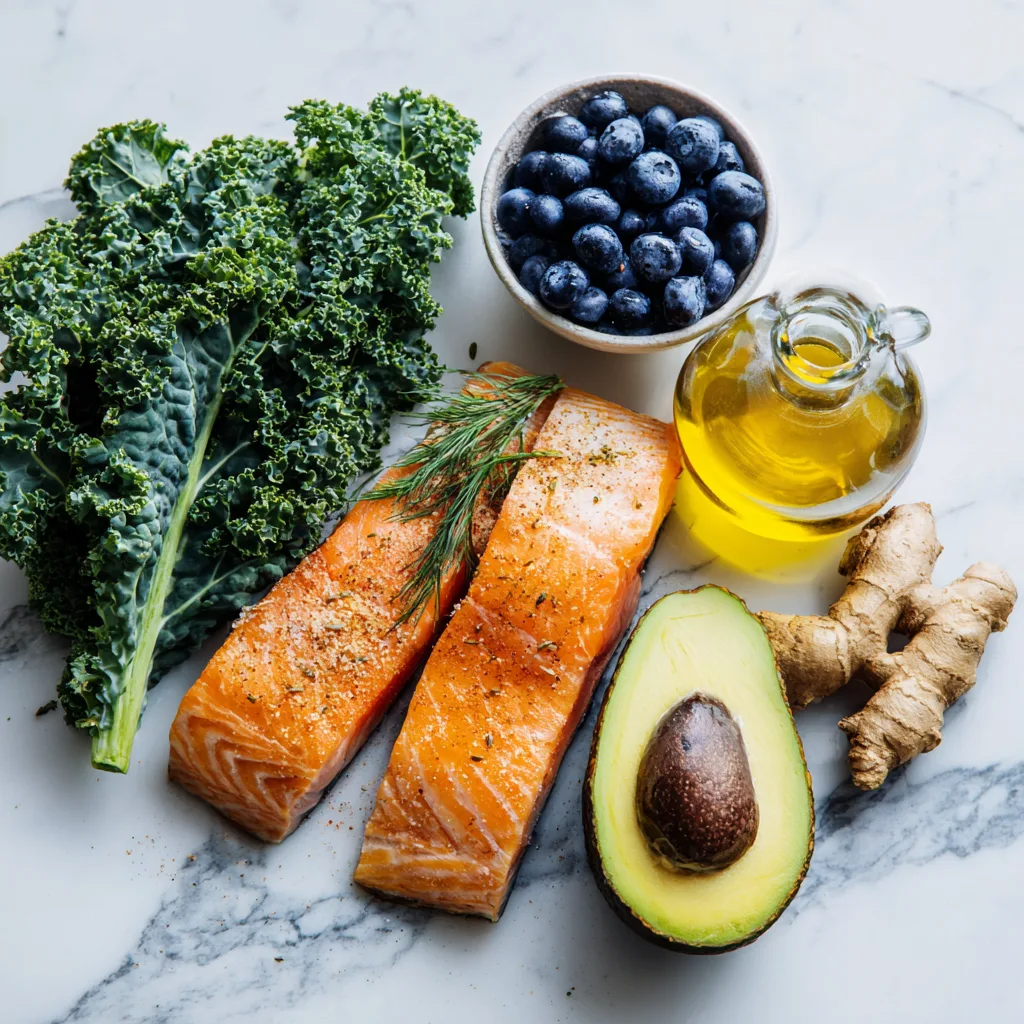
The beauty of an Anti-Inflammatory Diet Plan is that it’s grounded in real, whole foods. Think bright vegetables, healthy fats, clean proteins, and spices with healing power. It’s less about cutting everything out and more about crowding in the good stuff.
The foundation includes omega-3-rich foods like salmon and flaxseeds, dark leafy greens, antioxidant-rich berries, olive oil, and spices like turmeric and ginger. You’ll want to skip processed oils, refined sugar, excess alcohol, and ultra-processed foods. Instead, focus on color, fiber, and balance.
One of my favorite examples is the cortisol cocktail, a gentle blend that supports your adrenal health—great for those fighting inflammation and stress. And when you’re ready for more meal ideas, here’s a full list of anti-inflammatory meals that’ll help you get started.
In short, this isn’t a diet with hard rules—it’s a lifestyle upgrade. And once you feel the difference, there’s really no going back.
Foods to Eat on an Anti Inflammatory Diet Meal Plan
Fruits, Vegetables & Whole Ingredients
When I first began creating an Anti-Inflammatory Diet Plan, the most surprising thing was just how colorful my plate became. Nature’s rainbow really does heal. The more vibrant your meals, the more antioxidants, vitamins, and fiber you’re feeding your body—and those are the nutrients that help fight inflammation from the inside out.
Start with dark leafy greens like kale, spinach, and arugula. Add in cruciferous veggies like broccoli and cauliflower, which support detox pathways. For fruit, go for berries—blueberries, blackberries, and raspberries are packed with antioxidants that help reduce oxidative stress. Even sweet potatoes and beets are incredible anti-inflammatory choices.
Beyond color, think about balance. Whole grains like quinoa, brown rice, and steel-cut oats offer fiber and minerals, especially when paired with plant-based proteins. These staples keep your blood sugar stable and your gut microbiome happy—both major players in reducing inflammation.
A bowl of warm oats with berries and a drizzle of almond butter? That’s anti-inflammatory comfort food right there.
Healthy Fats, Lean Proteins & Healing Spices
Fats used to get a bad rap, but when it comes to an Anti-Inflammatory Diet Plan, they’re essential. Omega-3 fatty acids from wild salmon, sardines, chia seeds, and walnuts help cool inflammation at the cellular level. And don’t forget extra-virgin olive oil—it’s a kitchen staple for a reason. It supports heart health and contains oleocanthal, a compound with powerful anti-inflammatory effects.
Lean proteins also matter. Think organic chicken, pasture-raised eggs, lentils, and tempeh. These provide essential amino acids your body needs to repair and thrive.
Then come the flavor boosters: turmeric, ginger, garlic, and cinnamon. These aren’t just for taste—they actually support your immune system. I love adding turmeric and ginger to a simple chicken broth for a nourishing evening sip. Or sprinkling cinnamon over roasted carrots—it’s cozy and healing at once.
If you’re looking for a dinner idea packed with flavor and balance, this chicken cordon bleu meatloaf is a fantastic option that fits right into your meal plan. Want more low-carb support? Try these low-carb dinners for diabetics—they work beautifully for inflammation too.
Foods to Avoid on an Anti Inflammatory Diet Meal Plan
Ultra-Processed Foods & Refined Carbs
When following an anti inflammatory diet meal plan, knowing what to leave off your plate is just as important as what to include. One of the biggest culprits? Ultra-processed foods. These are packaged items filled with artificial ingredients, industrial oils, refined sugars, and preservatives. Your body doesn’t recognize them as real food, and the result is often chronic, low-grade inflammation that can wear down your immune system over time.
White bread, pastries, sweetened cereals, and fast food may be convenient, but they spike blood sugar, strain digestion, and trigger inflammatory markers in the body. It’s not about perfection—it’s about progress. Swapping a daily soda for herbal tea or choosing whole grain pasta over white can make a noticeable difference in how you feel.
Processed oils like soybean, corn, and canola are another big trigger. They’re often used in fried foods, salad dressings, and snacks. These oils are high in omega-6 fats, which—when out of balance with omega-3s—can fuel inflammation fast.
Sugar, Trans Fats & Alcohol
Sugar might be the sneakiest source of inflammation in the modern diet. It hides in yogurt, condiments, “healthy” bars, and even salad dressings. Consuming high amounts of added sugars can spike insulin, increase belly fat, and worsen inflammation throughout the body. And let’s not forget how it affects energy levels—those sugar crashes are real.
Trans fats, found in margarine, shortening, and processed baked goods, are even worse. These man-made fats were designed for shelf stability, not human health. They’re strongly linked to increased inflammation, heart disease, and poor metabolic function.
Alcohol in moderation may be okay for some, but excessive drinking can damage your gut lining, affect liver function, and weaken your body’s ability to detox. If you’re serious about reducing inflammation, it might be time to rethink that nightly glass of wine.
Instead, consider soothing alternatives. Try this refreshing mango sorbet made in the Ninja Creami for a sweet treat without the crash. Or explore these low glycemic index meals that keep blood sugar steady and inflammation low.
Anti-Inflammatory Grocery List for Your Meal Plan
Pantry Staples & Weekly Produce
When starting an Anti-Inflammatory Diet Plan, your grocery list is your secret weapon. Having the right ingredients on hand makes it easier to prep nourishing meals and skip impulse buys. A well-stocked kitchen is half the battle.
Let’s start with pantry staples. These form the base of your meals and snacks:
- Whole grains: quinoa, brown rice, steel-cut oats, buckwheat
- Legumes: lentils, chickpeas, black beans
- Nuts & seeds: almonds, walnuts, chia seeds, flaxseeds
- Healthy oils: extra-virgin olive oil, avocado oil
- Spices: turmeric, cinnamon, cumin, paprika, ginger
- Herbal teas: chamomile, ginger, peppermint
- Broths: bone broth or low-sodium vegetable broth
For produce, aim to fill your cart with color:
- Leafy greens: kale, spinach, Swiss chard
- Cruciferous veggies: broccoli, cauliflower, Brussels sprouts
- Root veggies: carrots, sweet potatoes, beets
- Fruits: berries, apples, oranges, avocados
- Alliums: garlic, onion, leeks
Every week, try rotating your vegetables and fruits to keep your meals fresh and full of variety. I often roast a big tray of vegetables on Sunday—it sets me up for easy lunches and dinners.
Proteins, Snacks & Smart Swaps
When choosing proteins, quality matters. Go for:
- Lean meats: organic chicken, turkey
- Seafood: wild-caught salmon, sardines, mackerel
- Plant-based options: tempeh, tofu, lentils
- Eggs: pasture-raised if possible
Smart snacks include hummus with sliced cucumbers, a handful of almonds, or a smoothie with greens and berries. Skip the ultra-processed snack bars and instead prep a few of your own. If you need inspiration, check out these anti-inflammatory meals for ideas that are simple, flavorful, and filling.
You can also support adrenal health with this cortisol cocktail—it’s especially great first thing in the morning when stress levels tend to spike.
Here’s a simplified grocery list format you can print or screenshot:
| Category | Items |
|---|---|
| Grains | Quinoa, Brown Rice, Oats |
| Produce | Leafy Greens, Berries, Sweet Potatoes |
| Proteins | Salmon, Chicken, Eggs, Tempeh |
| Pantry | Olive Oil, Spices, Bone Broth |
7-Day Anti-Inflammatory Diet Meal Plan (For Beginners)
Day-by-Day Plan with Easy Meals
A 7-day anti-inflammatory diet plan can help reset your system, reduce inflammation, and give you the energy boost you’ve been missing. This sample plan is beginner-friendly, doesn’t require fancy ingredients, and keeps your prep manageable. You can swap meals around based on what you enjoy—consistency is key, not perfection.
Day 1
Breakfast: Oatmeal with chia seeds, blueberries, and almond butter
Lunch: Quinoa salad with chickpeas, cherry tomatoes, and olive oil
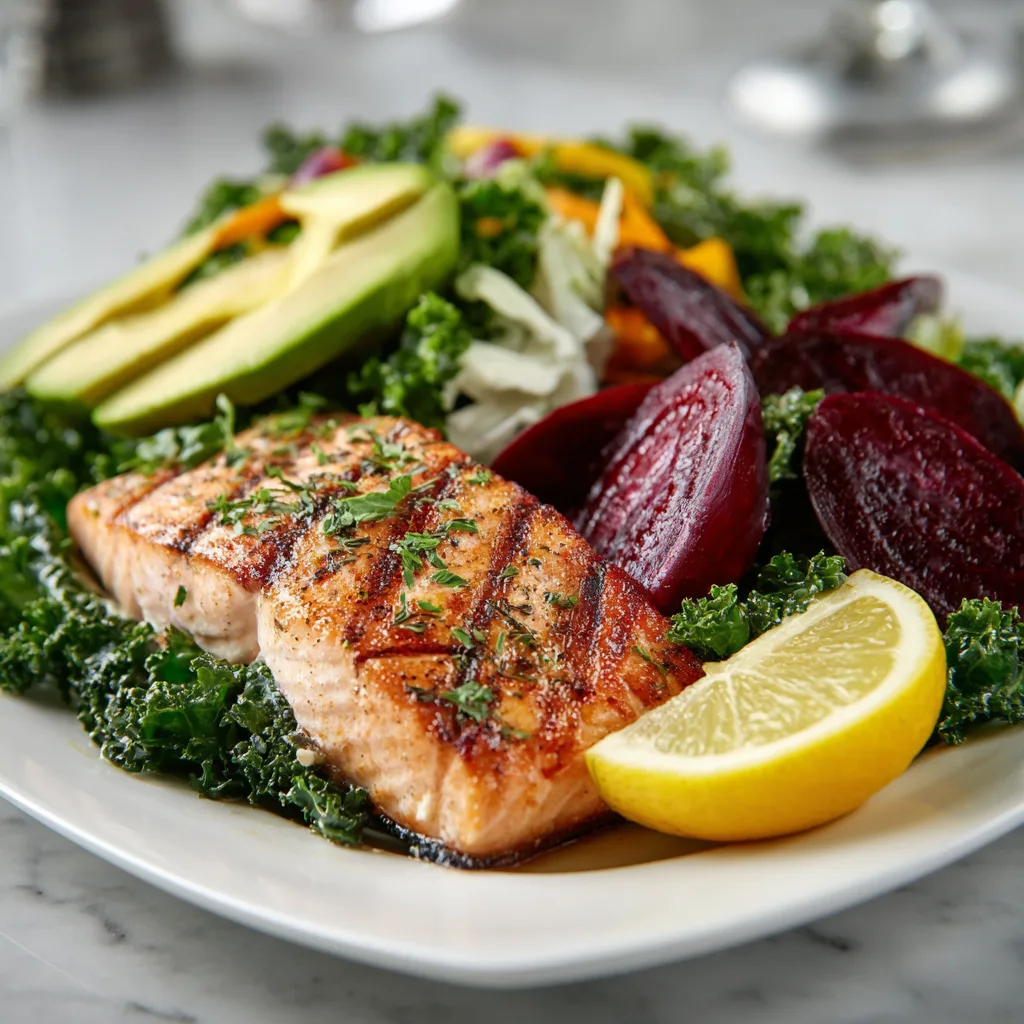
Dinner: Baked salmon, roasted broccoli, and sweet potato
Snack: A few walnuts and green tea
Day 2
Breakfast: Scrambled eggs with spinach and avocado
Lunch: Lentil soup with a side of mixed greens
Dinner: Turmeric grilled chicken with wild rice and steamed carrots
Snack: Apple slices with almond butter
Day 3
Breakfast: Smoothie with kale, mango, flaxseed, and protein powder
Lunch: Turkey lettuce wraps with hummus and cucumbers
Dinner: Stir-fried veggies and tempeh over brown rice
Snack: Coconut yogurt with cinnamon
Day 4
Breakfast: Steel-cut oats topped with sliced banana and cinnamon
Lunch: Leftover lentil soup or veggie bowl with tahini dressing
Dinner: Baked cod with quinoa and sautéed greens
Snack: A small handful of pumpkin seeds
Day 5
Breakfast: Cortisol cocktail + boiled egg and fruit
Lunch: Quinoa tabbouleh and grilled chicken strips
Dinner: Chicken cordon bleu meatloaf with cauliflower mash
Snack: Sliced pear with a sprinkle of cinnamon
Day 6
Breakfast: Berry smoothie with chia and greens
Lunch: Chickpea salad wrap with olive oil dressing
Dinner: Shrimp stir-fry with bok choy and brown rice
Snack: Carrot sticks with hummus
Day 7
Breakfast: Avocado toast on sprouted bread + herbal tea
Lunch: Roasted veggie and quinoa bowl with tahini drizzle
Dinner: Grilled chicken with beet salad and roasted zucchini
Snack: Dark chocolate (70%+) square and a handful of blueberries
This simple anti-inflammatory diet plan is built on whole ingredients, flavorful herbs, and practical batch cooking. Leftovers are your best friend—cook once, eat twice.
If you’re looking for more low-glycemic options to support blood sugar balance while reducing inflammation, check out our guide on low glycemic index meals. And for tasty, ready-to-go ideas, don’t miss our roundup of anti-inflammatory meals.
21-Day Anti Inflammatory Diet Meal Plan (3-Week Reset)
Weekly Overview & Strategy
If you’re ready to go beyond a quick fix, this 21-day anti inflammatory diet meal plan is your next step. Three weeks is long enough to calm chronic inflammation, rebalance your energy, and see real changes in digestion, mood, and sleep.
Here’s a simple overview of the weekly flow:
Week 1 – Reset & Eliminate
Focus on removing inflammatory triggers like sugar, dairy, processed oils, and refined grains. Load up on vegetables, healthy fats, and clean proteins. Keep meals simple—think soups, sheet pan dinners, and smoothies.
Week 2 – Rebuild & Nourish
Introduce variety. Rotate your vegetables, try new herbs, and begin layering flavors. Include prebiotic foods like leeks and garlic, and fermented options like sauerkraut or kimchi. This helps restore gut balance.
Week 3 – Strengthen & Sustain
Now you’re in rhythm. Begin focusing on sustainable habits: planning, batch cooking, and smart snacking. This week, you can reintroduce certain foods (if you removed dairy or grains) to test how your body responds.
Here’s a brief weekly snapshot:
| Week | Focus | Key Foods |
|---|---|---|
| Week 1 | Remove triggers | Leafy greens, bone broth, turmeric, olive oil |
| Week 2 | Rebuild digestion | Fermented veggies, garlic, sweet potatoes, salmon |
| Week 3 | Stabilize & sustain | Quinoa, beets, avocado, pasture-raised chicken |
Budget-Friendly & Prep Tips
You don’t need to buy expensive superfoods to stick to this plan. Some of the best anti-inflammatory foods—like lentils, carrots, rolled oats, and canned salmon—are incredibly affordable. Buying in bulk, using frozen veggies, and planning leftovers into your week will stretch both your time and your dollars.
Meal prepping one or two proteins and roasting a tray of veggies every 3–4 days makes it easy to stay consistent. You can layer those into bowls, wraps, or salads as the week goes on.
Need meal ideas to keep you going strong? Check out our full list of anti-inflammatory meals. And if your energy is low or your mornings are rough, try this healing cortisol cocktail to start the day grounded.
Quick & Easy Recipes for Your Anti Inflammatory Diet Meal Plan
Breakfast, Bowls & Smooth Starts
One of the biggest myths about an anti-inflammatory diet plan is that it’s complicated. Truth is, it can be just as fast as takeout—when you’ve got the right recipes. These meals are quick, nourishing, and built for busy weekdays.
Easy Breakfast Ideas:
- Oatmeal with chia and blueberries: Stir in ground flaxseed and cinnamon for extra anti-inflammatory power.
- Avocado toast with turmeric eggs: Ready in under 10 minutes.
- Green smoothie: Blend spinach, mango, flaxseed, and unsweetened almond milk. Add ginger for a kick.
- Chia pudding: Prep the night before with plant milk, vanilla, and fresh berries.
Need a fast morning boost that supports adrenal balance? The cortisol cocktail is a great addition to your breakfast routine.
Quick Lunches, Dinners & Snacks
Weeknights don’t need to be stressful. With a few staples in the fridge, you can have anti-inflammatory meals ready in 20 minutes or less. Here’s how I keep it simple:
Lunch Ideas:
- Leftover roasted veggies + quinoa + tahini
- Chickpea salad with olive oil, cucumbers, and lemon
- Turkey lettuce wraps with avocado and red cabbage
Dinner Ideas:
- Chicken cordon bleu meatloaf with a side of sautéed spinach
- Salmon sheet pan meal: Toss salmon, sweet potatoes, and broccoli with olive oil and spices, roast at 400°F for 20 minutes
- Stir-fried tofu with bok choy and garlic-ginger sauce
Snack Ideas:
- Carrot sticks + hummus
- Handful of walnuts + green tea
- Coconut yogurt + berries + cinnamon
All of these recipes follow the same principles: real food, healing fats, no refined sugars, and lots of flavor. If you want even more variety, head over to our growing collection of anti-inflammatory meals you can mix and match throughout the week.
Anti Inflammatory Diet Meal Plan Prep Guide
Batch Cooking Made Simple
One of the smartest ways to stay consistent with an anti inflammatory diet meal plan is through intentional meal prep. You don’t have to spend all Sunday cooking. Just 60–90 minutes of prep every few days can save you time, money, and decision fatigue.
Start with batch-cooking your foundations:
- Grains: Cook a big batch of quinoa or brown rice
- Proteins: Roast chicken breasts or bake salmon fillets
- Veggies: Chop and roast seasonal vegetables with olive oil and herbs
- Snacks: Prep hummus, chia pudding, or hard-boiled eggs
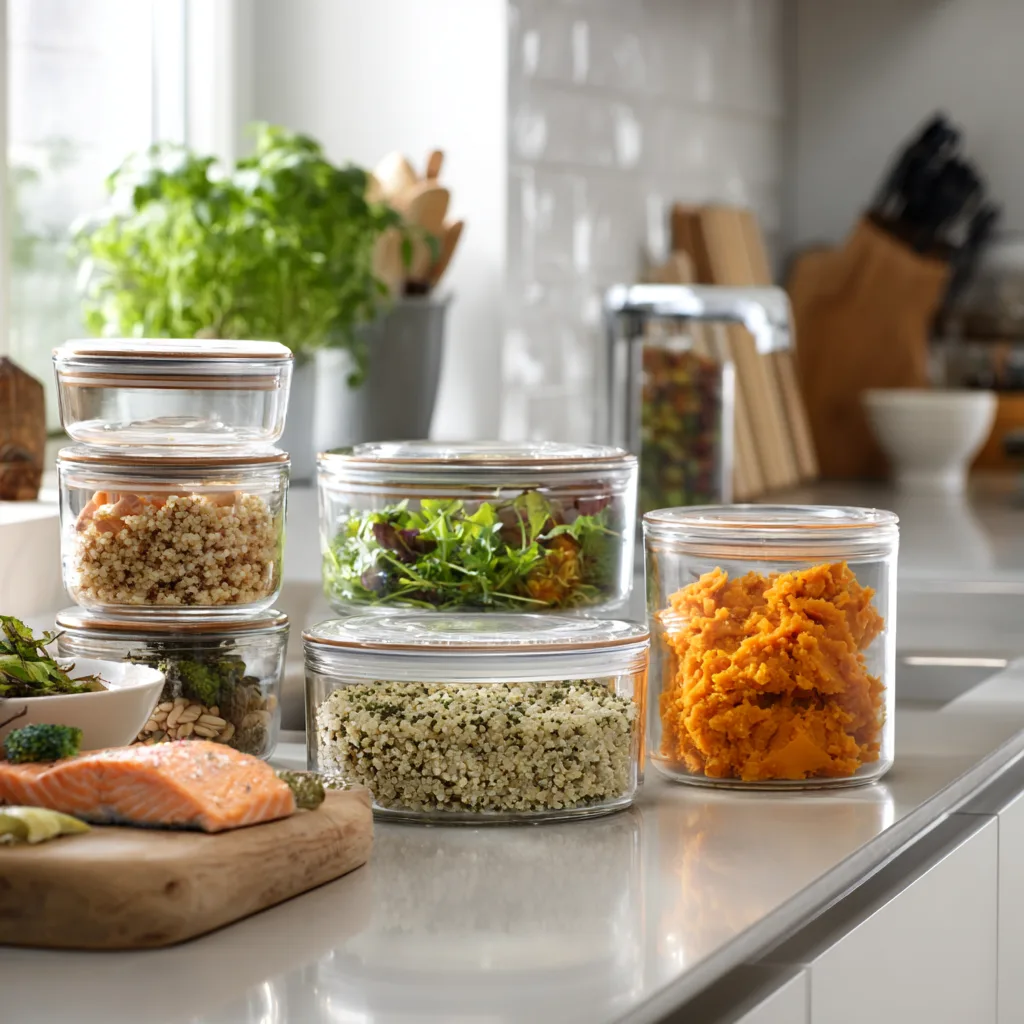
Portion these out into containers or build flexible mix-and-match bowls for lunches and dinners. For example, combine quinoa + greens + protein + dressing for endless combos.
Make space in your fridge by storing extras in stackable glass containers. I like to label them with the date and a sticky note for easy grabbing.
Need quick weeknight dinner ideas that fit right into your prep flow? Try this low-carb dinner for diabetics. It’s low-glycemic, high in nutrients, and reheats like a dream.
Storage, Planning & Portioning Tips
Don’t forget to rotate your ingredients. Eating the same thing every day isn’t ideal for nutrient variety or gut health. Use frozen organic veggies when needed—faster, cheaper, and just as nutritious.
Here are a few extra strategies to make your meal prep sustainable:
- Plan 3 core meals per week, then rotate or remix
- Use sheet pans for easy cleanup
- Prep one smoothie bag per day with frozen berries, spinach, and flax
- Keep a “backup meal” in the freezer for when life throws curveballs
If you’re looking for naturally sweet treats that align with your meal plan, this mango sorbet in the Ninja Creami is refreshingly anti-inflammatory and takes minutes to prep.
Remember, the goal isn’t perfection—it’s rhythm. Once your prep flow is in place, sticking to your anti inflammatory diet meal plan becomes second nature.
Expert Tips for Success on Your Anti Inflammatory Diet Meal Plan
Common Mistakes to Avoid
Even with the best intentions, it’s easy to make a few missteps when starting an anti inflammatory diet meal plan. But knowing what to look out for gives you a big advantage—and helps you stay on track for real, lasting results.
Mistake #1: Overcomplicating the plan
You don’t need exotic ingredients or elaborate meals to eat well. Focus on the basics—whole foods, healthy fats, and variety. A sheet pan meal with roasted veggies, olive oil, and salmon can be just as healing (and faster) than a complicated recipe.
Mistake #2: Not eating enough
Many people accidentally under-eat when removing processed foods. You still need fuel—especially if you’re healing from chronic inflammation. Build balanced meals with protein, fiber, and fat to feel full and satisfied.
Mistake #3: Forgetting your gut
Gut health plays a major role in inflammation. Add fermented foods like sauerkraut, drink plenty of water, and include fiber-rich vegetables daily. Try incorporating low-glycemic meals to support stable blood sugar and reduce inflammatory spikes.
Mistake #4: Not planning snacks
Snacks aren’t the enemy. The key is choosing ones that keep inflammation down. Prep options like hummus with veggies, chia pudding, or a hard-boiled egg with avocado.
Customizing for Arthritis, Gut Health, or Weight Loss
This anti inflammatory diet meal plan isn’t one-size-fits-all—and that’s a good thing. With a few tweaks, you can align it with specific goals like joint support, gut healing, or weight management.
For arthritis relief: Focus on omega-3s (salmon, flaxseed), turmeric, and leafy greens. Avoid nightshades like tomatoes and peppers if you notice sensitivity. Meals like our chicken cordon bleu meatloaf offer comfort and anti-inflammatory benefits in one.
For gut health: Add bone broth, fermented veggies, and reduce added sugars. Rotate foods weekly to improve microbial diversity. Even simple changes—like switching from processed to sprouted grains—can improve digestion.
For weight loss: Prioritize blood sugar balance. Include protein in every meal, eat slowly, and stop when 80% full. You’ll find many naturally weight-friendly options in our collection of anti-inflammatory meals.
Above all, listen to your body. Healing takes time, but each choice you make is a step toward less pain, more energy, and a healthier you.
FAQs about anti inflammatory diet meal plan
Is coffee allowed on an anti inflammatory diet meal plan?
Yes, in moderation. Black coffee can be part of an anti inflammatory diet meal plan, especially when it’s free of added sugar and artificial creamers. Coffee contains polyphenols, which have antioxidant properties. However, if you’re sensitive to caffeine or have gut issues, it may be worth reducing or swapping for green tea or herbal alternatives.
Can I follow an anti inflammatory diet meal plan long-term?
Absolutely. In fact, many people adopt this way of eating as a sustainable lifestyle, not just a short-term fix. Since the anti inflammatory diet meal plan focuses on whole foods, healthy fats, and nutrient-rich meals, it supports long-term health goals—like improving digestion, energy, skin, and reducing the risk of chronic disease.
Is an anti inflammatory diet meal plan safe for arthritis?
Yes. Inflammation is a key driver of arthritis pain and stiffness, so this type of diet can offer natural relief. Foods like fatty fish, turmeric, leafy greens, and olive oil help reduce joint inflammation. Many arthritis sufferers notice a significant improvement in symptoms within weeks of starting an anti inflammatory diet meal plan.
Do I need to count calories on an anti inflammatory diet meal plan?
Not necessarily. The focus is on quality over quantity. Most people find that eating whole, nutrient-dense foods naturally helps them regulate appetite and maintain a healthy weight. However, if your goal is weight loss or managing blood sugar, gentle tracking may be helpful—especially in the first few weeks.
You might also like these recipes
Creamy Garlic Parmesan Chicken and Potatoes — Fall Dinner Recipe
Creamy Butternut Squash Pasta with Sage – Fall Dinner Recipe
Easy Pulled Chicken Bowl with Rice & Fresh Veggies